Quote:
Originally Posted by rmckibben

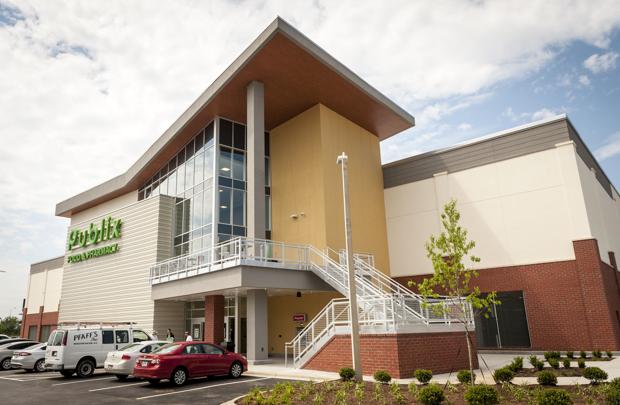
"Another view of the new Fuqua Glenwood development. This is a complete slap in the face and middle finger to the Beltline and the people of Atlanta."
I agree. How did this get approved? I understand that these types of developments are needed, even Intown, but permitting this adjacent to the Beltline is criminal.
|
Quote:
Originally Posted by skyscraper_inspector
No one can ever answer this question for me either. How did this get around the Beltline Overlay requirements?
|
Quote:
Originally Posted by jsvh
I live a couple blocks away and was somewhat involved, it is longer and complex explanation. I will try to type up my understanding of it later today.
|
Take all this with a grain of salt because I was not “at the table” or anything, just followed it closely and have heard a lot of details second hand:
As pointed out above, the key thing is that the Beltline overlay does not over-ride the underlying zoning. This was a surprise to many.
800 Glenwood was originally zoned “I-2” which basically allows you to build about any thing you want besides residential. So the owner / Fuqua initially submitted to build a giant WalMart strip mall. The neighborhood was not happy and started to organize. But the development did not need to go through any rezoning to allow them to build the WalMart so the neighborhood actually showed up in force at city hall and had the city rezone the parcel out of “I-2” to stop the development. The owner / Fuqua sued saying they had their property rights taken. The judge implied that the rezoning out of I-2 was illegal and the main part of the Beltline overlay that would hold up were the street grid. The underlying zoning overrides the overlay anywhere they conflict. But the judge said that the neighborhoods and the developer should work it out on their own and neither side would be happy with the result if he has to decide. So neighborhood leaders and Fuqua came together and agreed to the still controversial compromise you see today (Added residential, parking garage, better street-fronting buildings, future plans for senior living, office space, and some other concessions to try to make it a little more urban).
So, the end result is kind of a mixed bag, but I am personally think it is overall a good thing. I think the street grid is the most important frame work to build off of and having that in place can allow these parcels to redevelop piece by piece and more true urban density to come in in the coming decades. In the mean time, having a grocery store in walking distance is great. This has also helped drive some improvements to prevent things like this in the future. Pro-active rezonings are in the works and there is a beltline design review process being put in place.





 Prev
Prev


 Simple indeed, but certainly not realistic.




 Linear Mode
