Creating a there, there in Vancouver
With expanded convention centre, cry goes out for other sites to host and entertain large groups of visitors
PETER MITHAM
Special to The Globe and Mail
March 18, 2008
Having help stage the wedding reception for Bill and Melinda Gates in 1994, David Clark knows something about what it takes to host a major event.
But overseeing that top-secret party for 130 high-powered guests on the Hawaiian island of Lanai might seem like child's play compared with trying to host a large gathering of convention-goers in Vancouver these days.
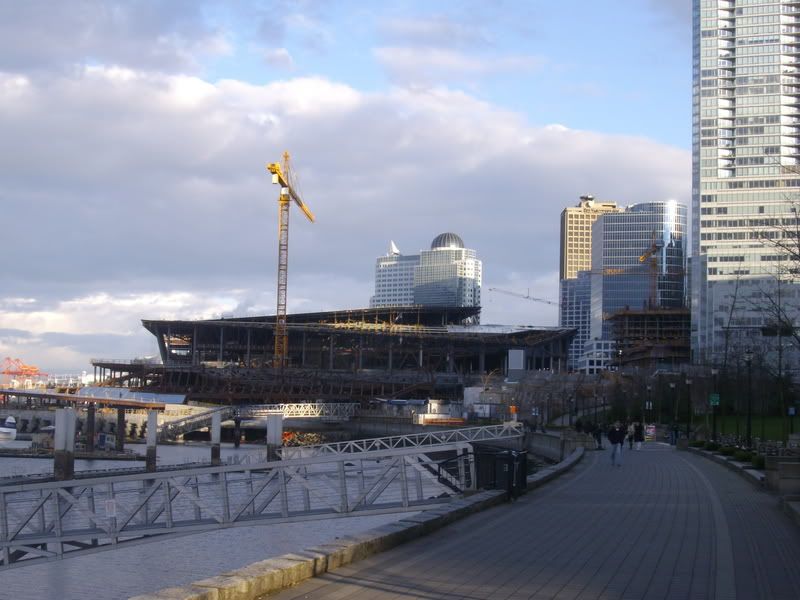
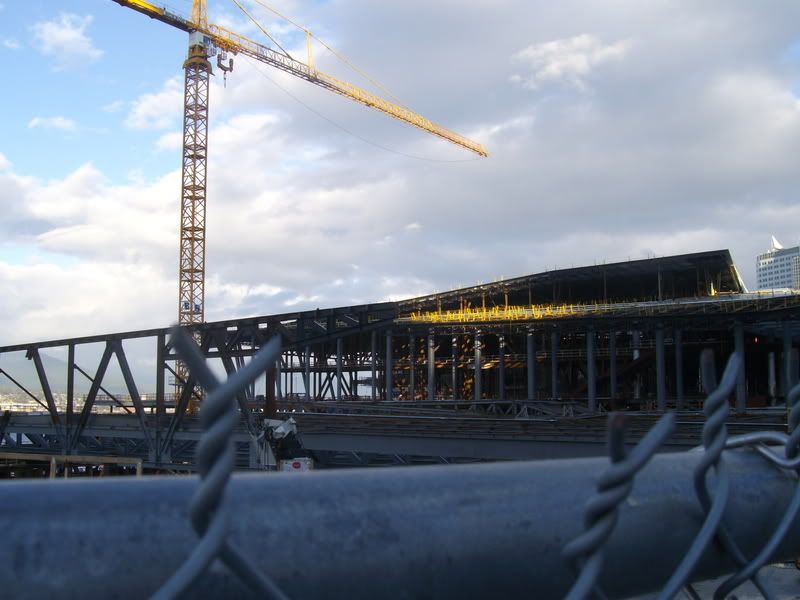
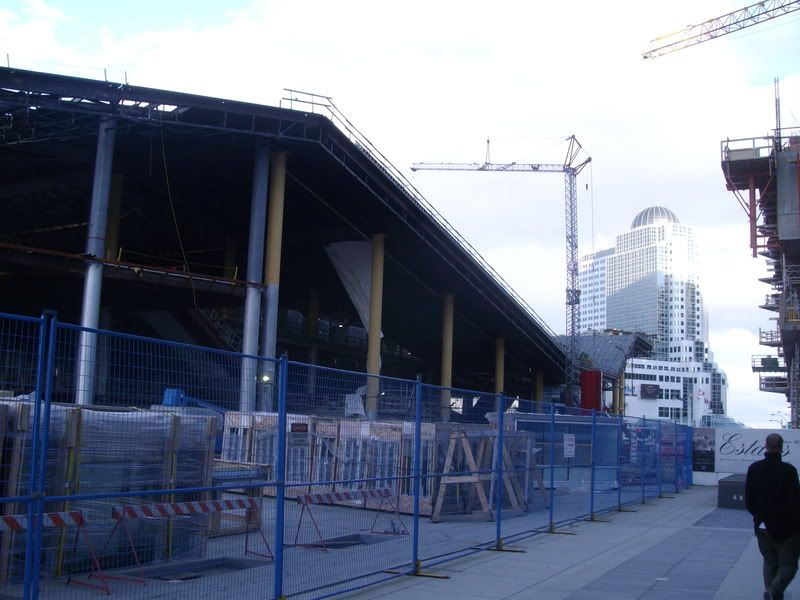
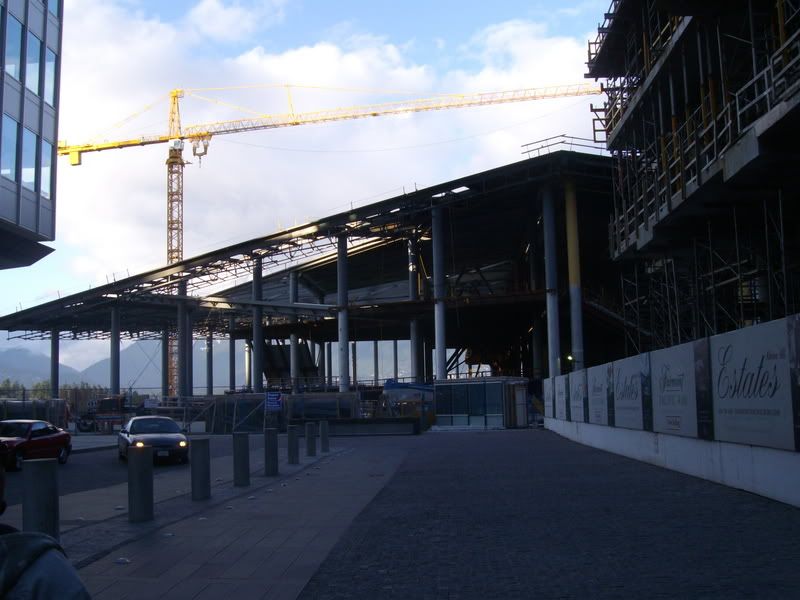
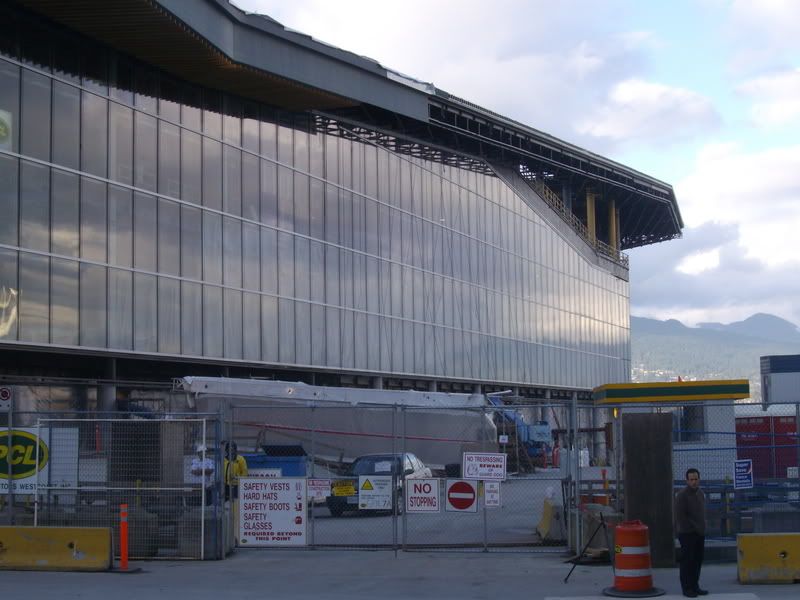
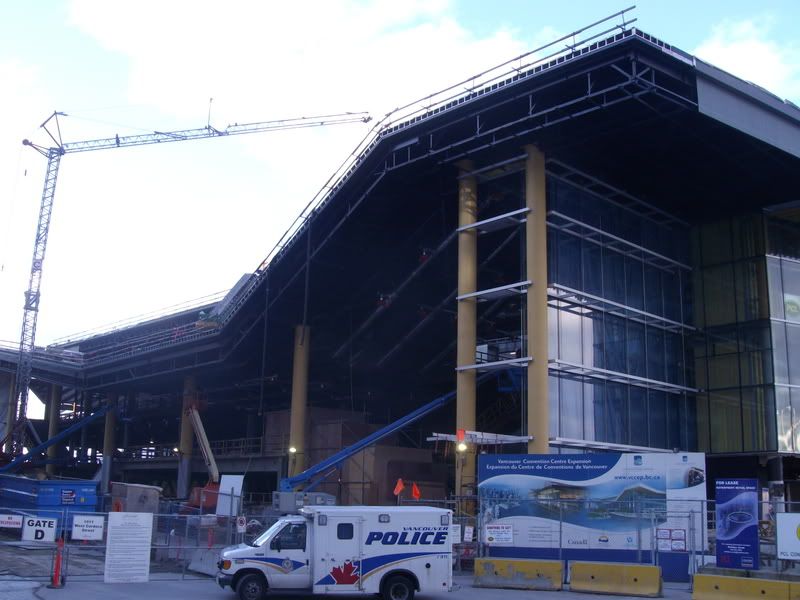
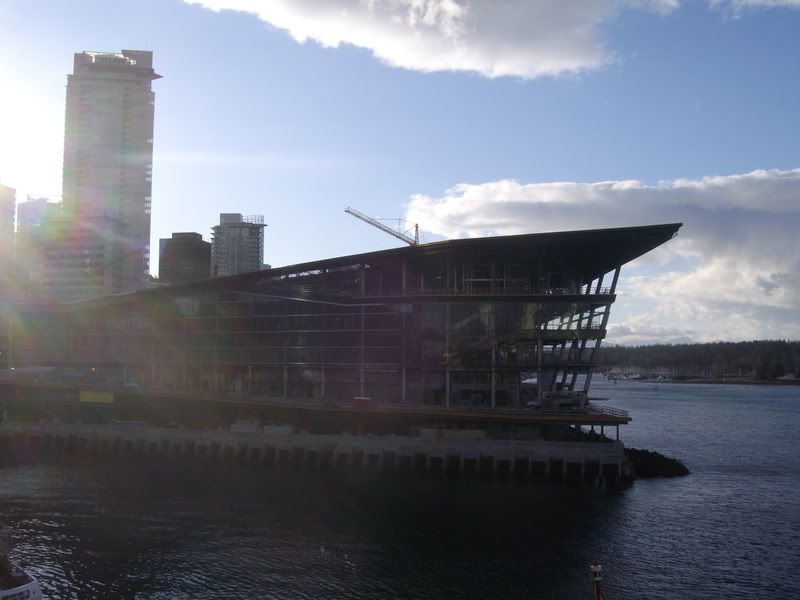
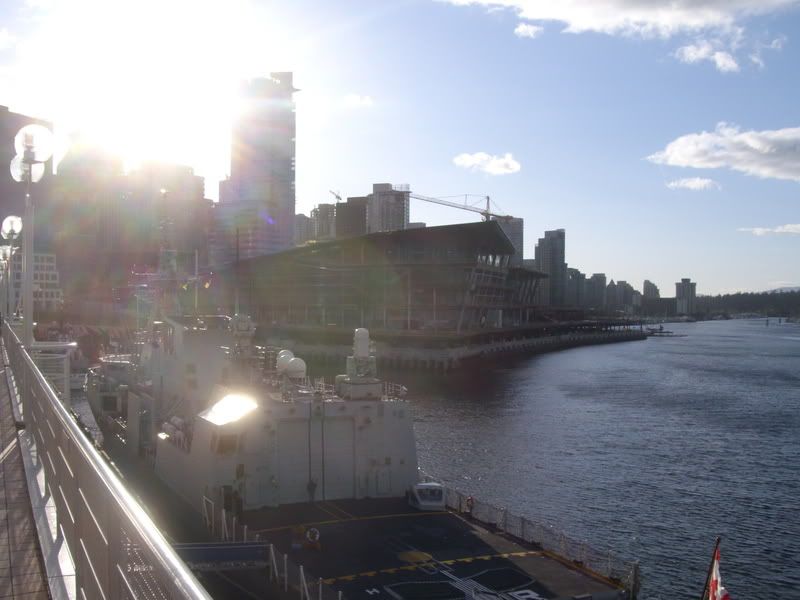
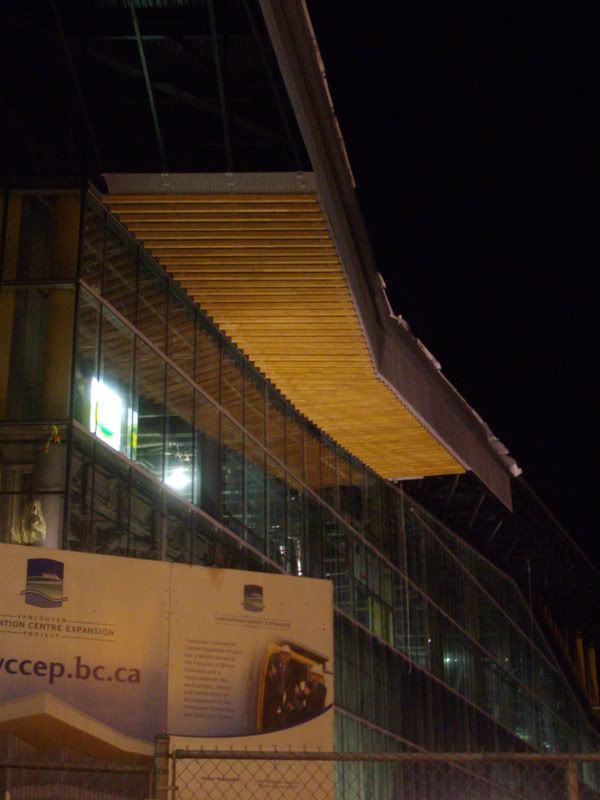
Next year, the city will unveil the expanded Vancouver Convention and Exhibition Centre, a $883.2-million project that is adding 335,000 square feet of space to the 133,000 square feet at the existing centre.
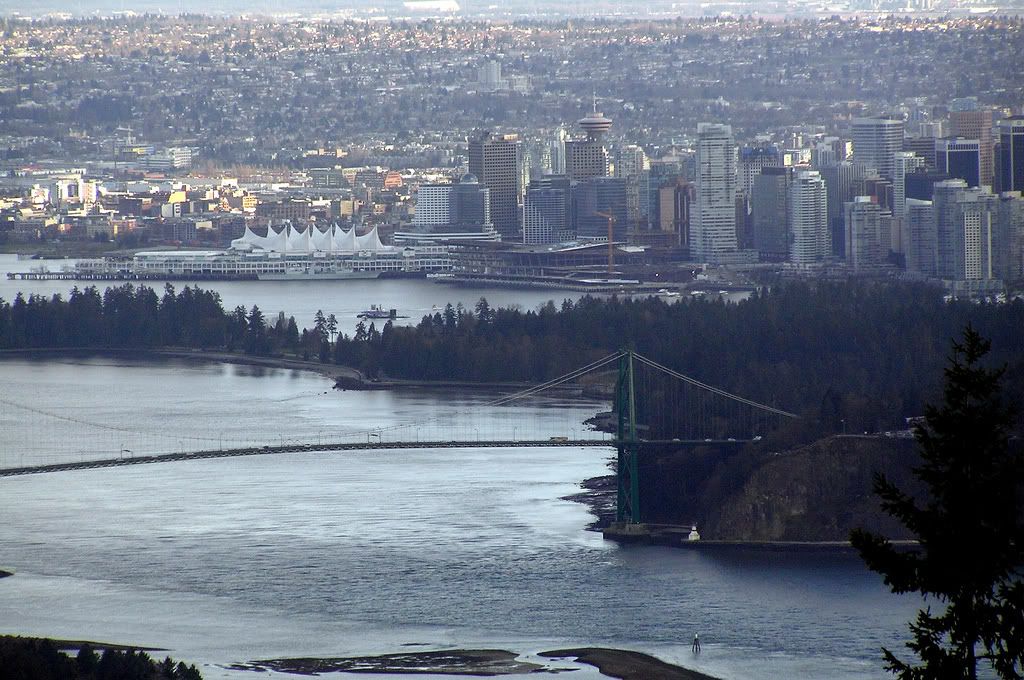
But a key problem will remain: Despite having plenty of room for trade shows and conventions in an eye-popping building overlooking Vancouver's harbour, convention organizers still struggle to figure out where to take people after hours.
A shortage of offsite venues, the places where visitors can attend receptions and special events away from the big convention hall - and which frequently showcase what a destination city has to offer - has cost Vancouver some convention business in the past. Now, there's an effort to address that problem.
"We're short of venues," says Mr. Clark, president of B.C. Event Management Inc. in North Vancouver. "It just feels even more immediate as we're closer to the opening of the convention centre expansion [next] March."
A Tourism Vancouver report released last year says that, apart from major hotels, venues capable of accommodating groups in excess of 250 people are in short supply.
"One of the limitations that we have as a city is that we don't have places to host dinners for 1,000 people, outside of hotel ballrooms and the convention centres themselves," said Richard Yore, director of sales, meetings and conventions for Tourism Vancouver. "A lot of the time, people want to go to a different type of venue, like a museum or something along that line. In Europe, you can go to castles."
Mr. Clark, who has staged several events for Mr. Gates, the Microsoft Corp. chairman, and was a consultant for Vancouver's bid for the 2010 Winter Olympics, says an offsite event with a capacity for thousands of people is typically restricted to BC Place. But the aging, cavernous football stadium isn't always the most appropriate venue.
He would like to see a space that can accommodate up to 2,000 or 3,000 people for a dinner. One venue he has his eye on is the speed skating oval being built in nearby Richmond for the 2010 Games.
Indeed, long before world-class athletes put blade to ice, city officials see the speed skating oval providing much-need- ed space for meetings and events, with upward of 180,000 square feet available on a single level.
"[It] will produce a number of opportunities that, currently, we can't bring to the area," says Gerry De Cicco, Richmond's manager of oval sport business. "There's not a footprint of that size and magnitude to host large events."
Scheduled to be completed next year, the $178-million facility is being built expressly for the Olympics, but its mandate includes legacy uses, such as hosting trade shows and special events to generate revenue for the city and offset the facility's operating costs. The first available period for bookings coincides with the opening of the expanded Vancouver convention centre next spring.
Mr. Clark considers the oval an ideal venue, easily accommodating up to 2,500 people. "It's going to be a multipurpose sports facility, but because it is clear-span, flexible space, it can be all things to all people," he said. "That's exactly what we need."
Richmond already enjoys spinoff benefits from Vancouver's trade show and convention business, says Tracy Lakeman, executive director of Tourism Richmond. But she concedes the shortage of venue space is a region-wide problem.
The Gulf of Georgia Cannery, a former salmon cannery that's now a national historic site, and the John MS Lecky UBC Boathouse are two such venues in Richmond, but neither can accommodate more than 600 people, with sit-down dinners limited to 150 people.
"We've got a large number of hotel rooms, and to attract meetings and events you need meeting space or venue space," Ms. Lakeman says, adding that it is hoped the oval "in itself, will be a destination."
The University of British Columbia in Vancouver is getting in on the act. Its $1-billion expansion of campus facilities, such as at the Thunderbird Winter Sports Centre and the landmark Arthur Erickson-
designed Museum of Anthropology, will create additional gathering places.
The Thunderbird centre will host ice hockey and sledge hockey during the 2010 Games; following the Olympics, it will provide a 5,200-seat venue for mid-size events, including trade shows and concerts that are too small for other venues, such as GM Place.
In 2009, an expansion of the Museum of Anthropology will add 40,000 square feet of space, including a covered outdoor terrace with a capacity for hosting receptions and other events of up to 125 people. A natural history museum will open on campus next year, too. Built within a 125,000-square-foot research complex, the natural history museum will include a 2,200-square-foot atrium adjacent to a 30,000-square-foot exhibit space.
With the convention centre expanding downtown and the Olympics focusing world attention on Vancouver, UBC Properties Trust vice-president Rob Brown says the university welcomes opportunities to host visitors to the city.
"These would probably be great locations because of their cultural heritage and relevance to research," he said. The opportunities aren't just limited to UBC, Mr. Brown adds. While the university offers some specialized venues for meetings and events, the expansion of the convention centre will create opportunities for a wide variety of operators.
These include Grouse Mountain, the Capilano Suspension Bridge and the Vancouver Aquarium, all of which are pursuing expansion projects to handle the increase in demand for event space that's anticipated when the expanded convention centre opens.
"The convention centre expansion is going to bring in a lot more people and groups to town," Mr. Brown says. "It's not only UBC, there's tons of venues across Vancouver that would incidentally benefit."
well, just for starters we're building a $400-million art gallery in downtown though it would be nice if we could get like a natural history museum as well in the future. we have a long way to go.
interesting how the article mentioned Richmond oval could double as a convention centre.





 Prev
Prev









 Linear Mode
