HomeDiagramsDatabaseMapsForum About
     

Go Back   SkyscraperPage Forum > Regional Sections > United States > Mountain West


Reply

 
Thread Tools Display Modes
     
     
  #12681  
Old Posted Jan 26, 2022, 3:15 PM
DJ Mentat's Avatar
DJ Mentat DJ Mentat is offline
Registered User
 
Join Date: Mar 2021
Location: Salt Lake City
Posts: 12
For the most part, I agree with many of the assessments that have been made here regarding increasing zoning height restrictions throughout the city, including the Granary district. I live in the Granary district, and while the existing urban fabric contains some pretty cool industrial buildings that can be repurposed, I do think that there is a loooooooot of potential for additional development.

And the issue I see with Salt Lake's "warehouse district," as opposed to the districts in cities already mentioned, along with Detroit's warehouse district where I spent a large portion of my college years, is that we do not have enough of the historic building fabric to truly designate this as an established warehouse district with an established character. Right now, the character of the Granary is banal, low-height, light industrial buildings. We don't have the 5-7 story brick warehouse and factory buildings of larger cities, and we have seen this lack of historical fabric manifest with modern day historic warehouse imitations, i.e. Pacific Yards (brick/stone facades, grid windows, etc.).

All that to say that IMO, living in the Granary, there isn't a lot of existing "warehouse" character, and we should open the district up to additional height and creativity.

To that last point, I wanted to mention another issue that I've seen come to the fore over the last several years. Specifically, allowable heights per the building code. One of the reasons the 5-over-2 product is so prevalent is that it is very easy to build from a code standpoint. Only the exterior walls of the building are required to be rated (outside of elevator and stair shafts, and other requirements for ratings between units, corridors, etc.). But the key there is that none of the structural elements are required to be rated.

Anything above a 5-over-2 triggers additional fire rating requirements. A 5-over-3 requires most structural elements to be 1-hour rated. And while this construction type technically still allows for wood, most 5-over-3 products (Brinshore, 6th and Main) use metal stud framing.

All that to say that anything above 7-stories and 75' feet gets more expensive, quickly. This scares developers away (have seen this happen many times personally) from pursuing added height, especially if a design review is required. We have not seen many developers push the height in the D-2 zone because only 65' is allowed by-right, and a design review is required for the 120' maximum.

What we should do in areas of the city where heights are being increased is bump up allowable maximums to either 120' (maximum height allowed for Type II-B - metal stud system typically - and IV-B - Heavy Timber! - construction), or 180' (maximum allowable height for Type IV-A - still Heavy Timber! - construction). Allowing these heights - at a minimum - to be achieved by-right has the potential to encourage developers to build taller and add the density we so desperately need, as it would squander a financial opportunity to not build taller.

Note that it may still be worth it for the city to implement some design standards, as they have with the TSA zone. This would further encourage better design while pushing heights upward.

Anyhow, that concludes my ramblings. Long story short, we should consider the existing character - or lack thereof - in the Granary district and develop a plan to define that character (without imitating a style of warehouse building whose old-school qualities cannot be replicated) while pushing height limits up, being cognizant of the defined height limits in the building code and ways in which to encourage developers to explore different construction types that don't result in a bunch of stucco boxes. Because, honestly, that's not character.
Reply With Quote
     
     
  #12682  
Old Posted Jan 26, 2022, 3:59 PM
TheGeographer TheGeographer is offline
Registered User
 
Join Date: Nov 2020
Location: Salt Lake City
Posts: 290
Quote:
Originally Posted by Orlando View Post
Here's a different view of that masterplan. Mid-rise buildings, but lots of urban vibrancy potential. From this point of view, the tower starts to look out of place.


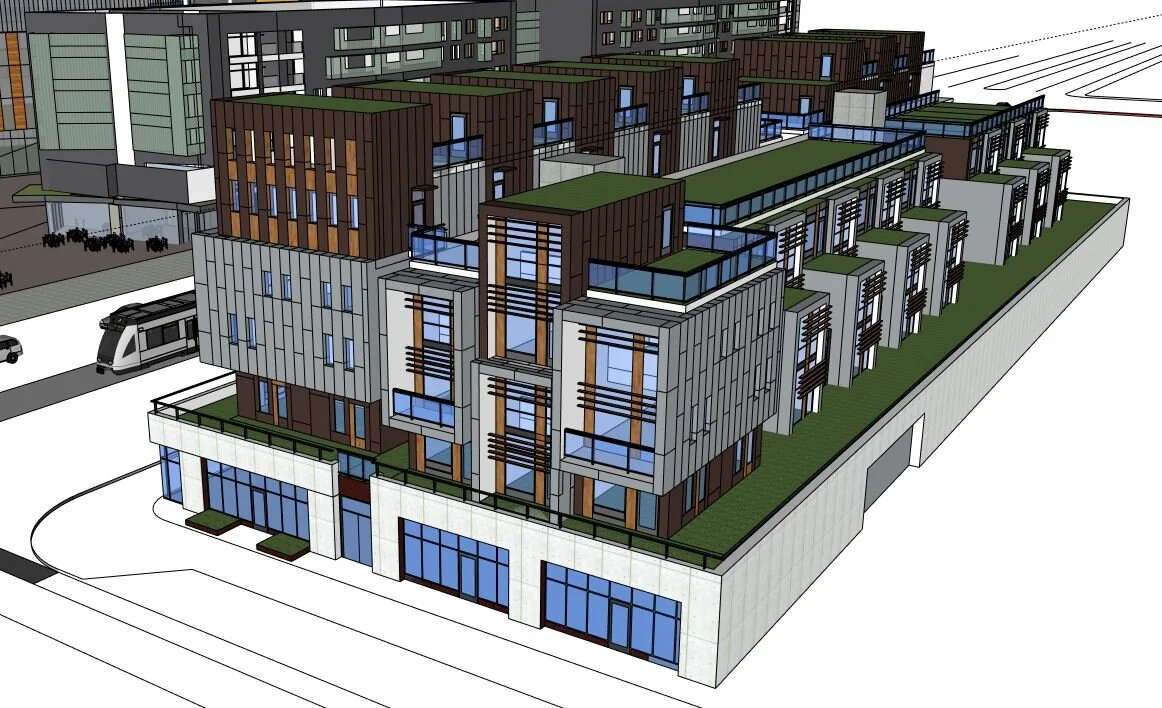
Here's one of the housing buildings I designed for that masterplan. It's not your typical podium product. It's actually modular, and it steps down in scale from 300 west to the single family homes & Central 9th directly to the east on 9th South.

When zoomed in these are some cool looking building designs. Really like how there’s green space incorporated into the buildings.

I agree with the arguments that height limits should be allowed to increase a bit. Also interesting to hear about the building codes and materials used.
Reply With Quote
     
     
  #12683  
Old Posted Jan 26, 2022, 4:28 PM
Marvland's Avatar
Marvland Marvland is offline
SLC Lifer
 
Join Date: Oct 2014
Location: Fairpark
Posts: 674
Quote:
Originally Posted by Orlando View Post
Here's a different view of that masterplan. Mid-rise buildings, but lots of urban vibrancy potential. From this point of view, the tower starts to look out of place.


Here's one of the housing buildings I designed for that masterplan. It's not your typical podium product. It's actually modular, and it steps down in scale from 300 west to the single family homes & Central 9th directly to the east on 9th South.

I really like these ideas Orlando! Well done.
Reply With Quote
     
     
  #12684  
Old Posted Jan 26, 2022, 8:49 PM
delts145's Avatar
delts145 delts145 is online now
Registered User
 
Join Date: Aug 2006
Location: Downtown Los Angeles
Posts: 20,296
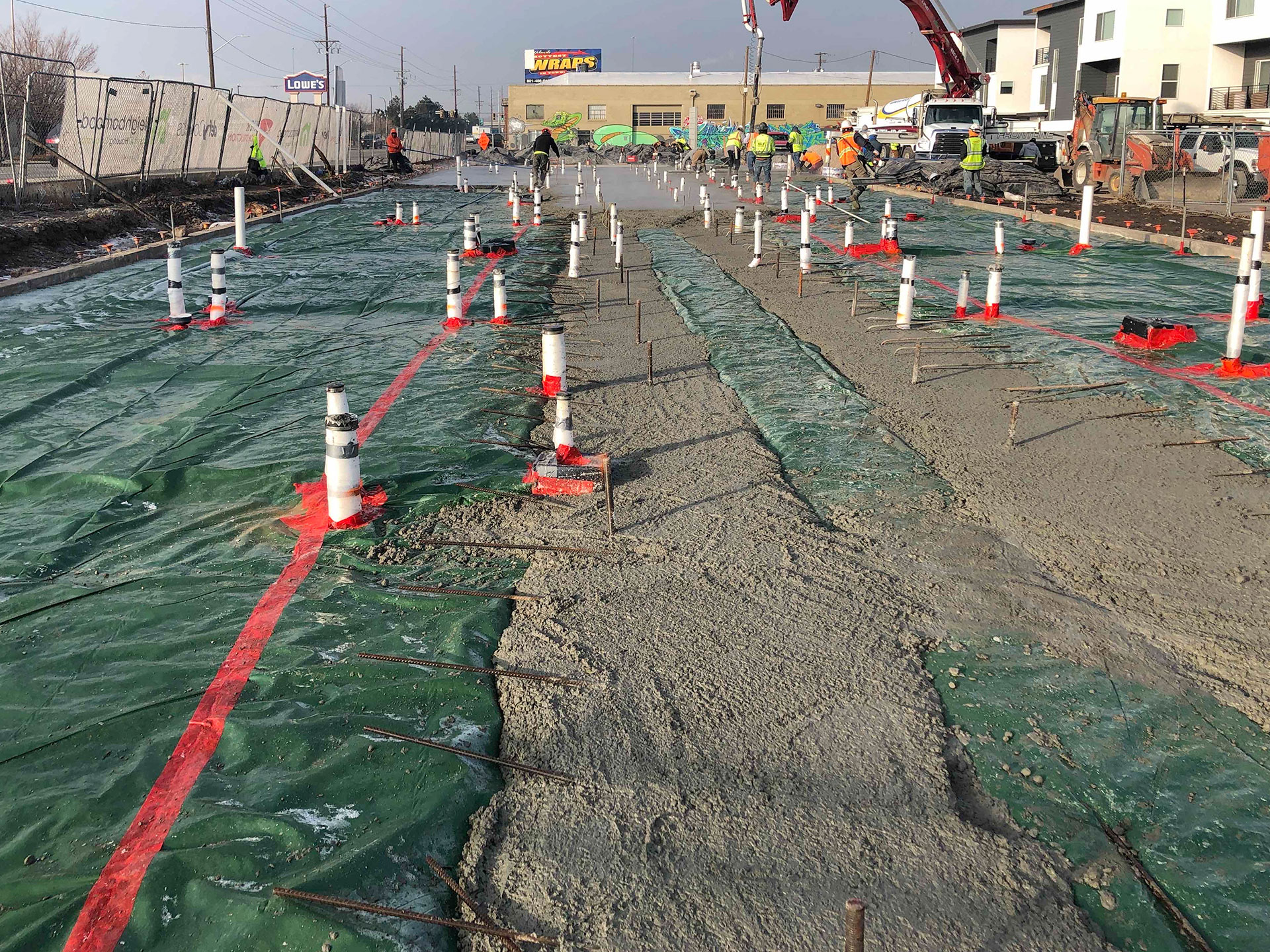
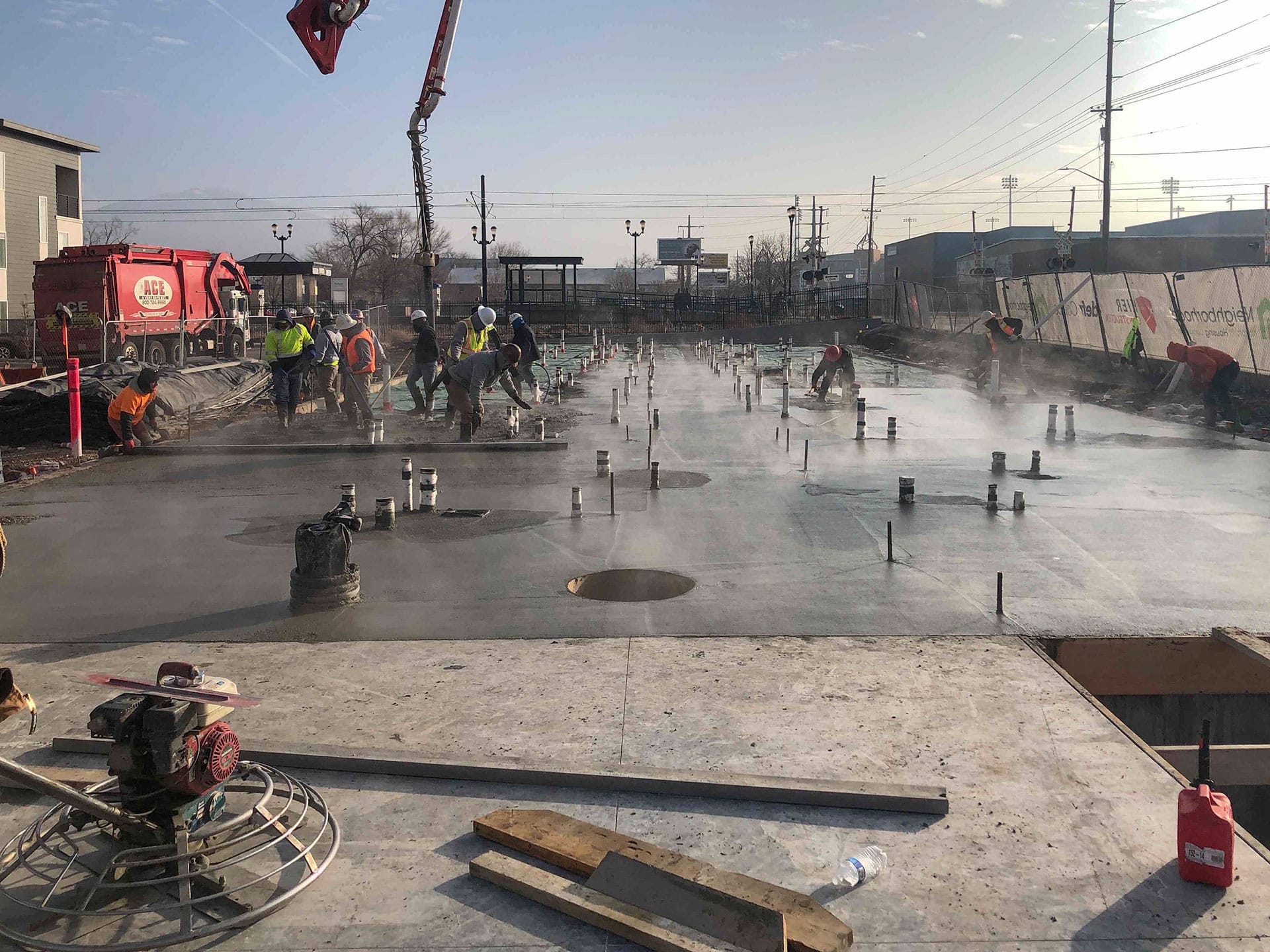
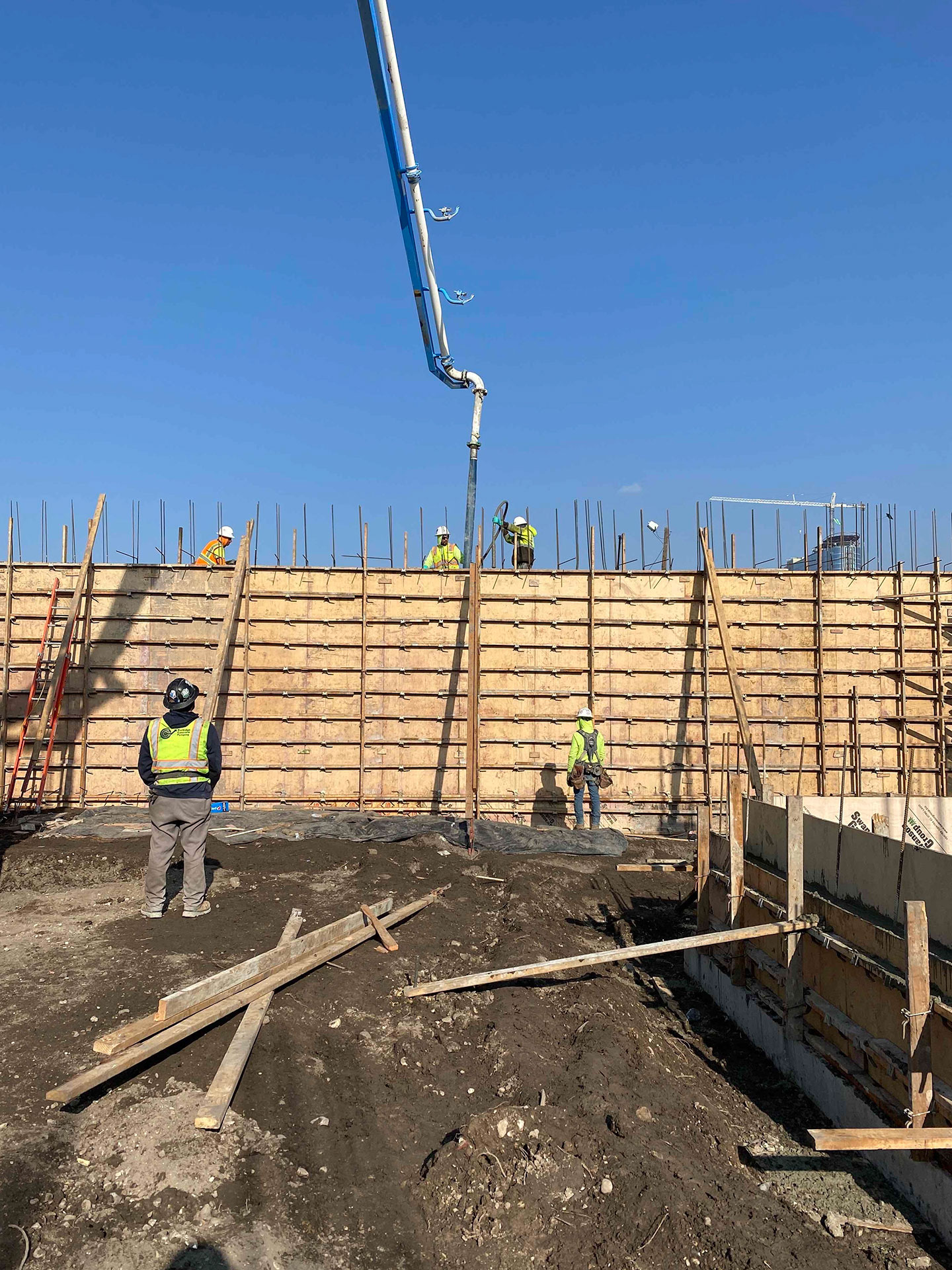
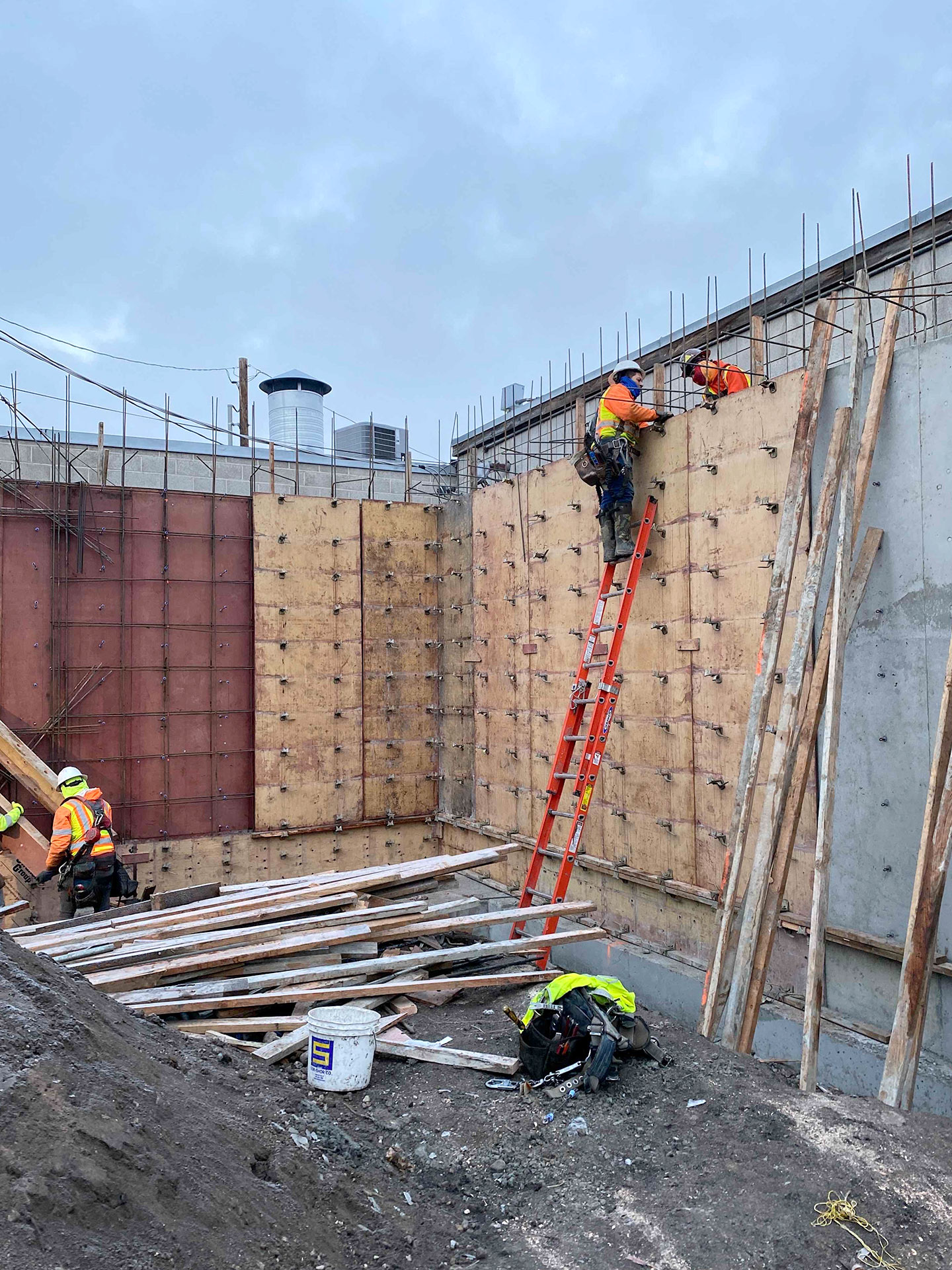
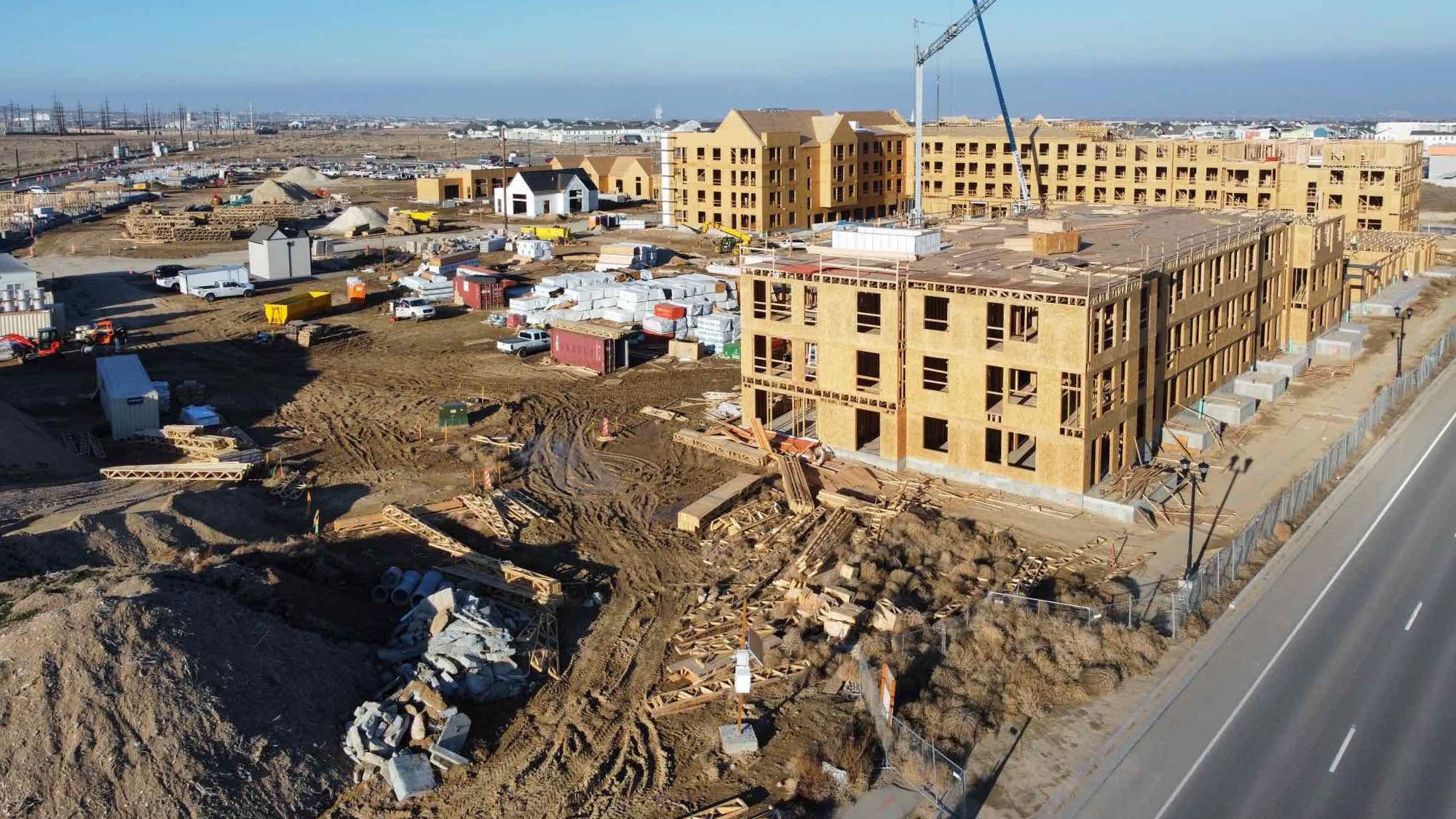
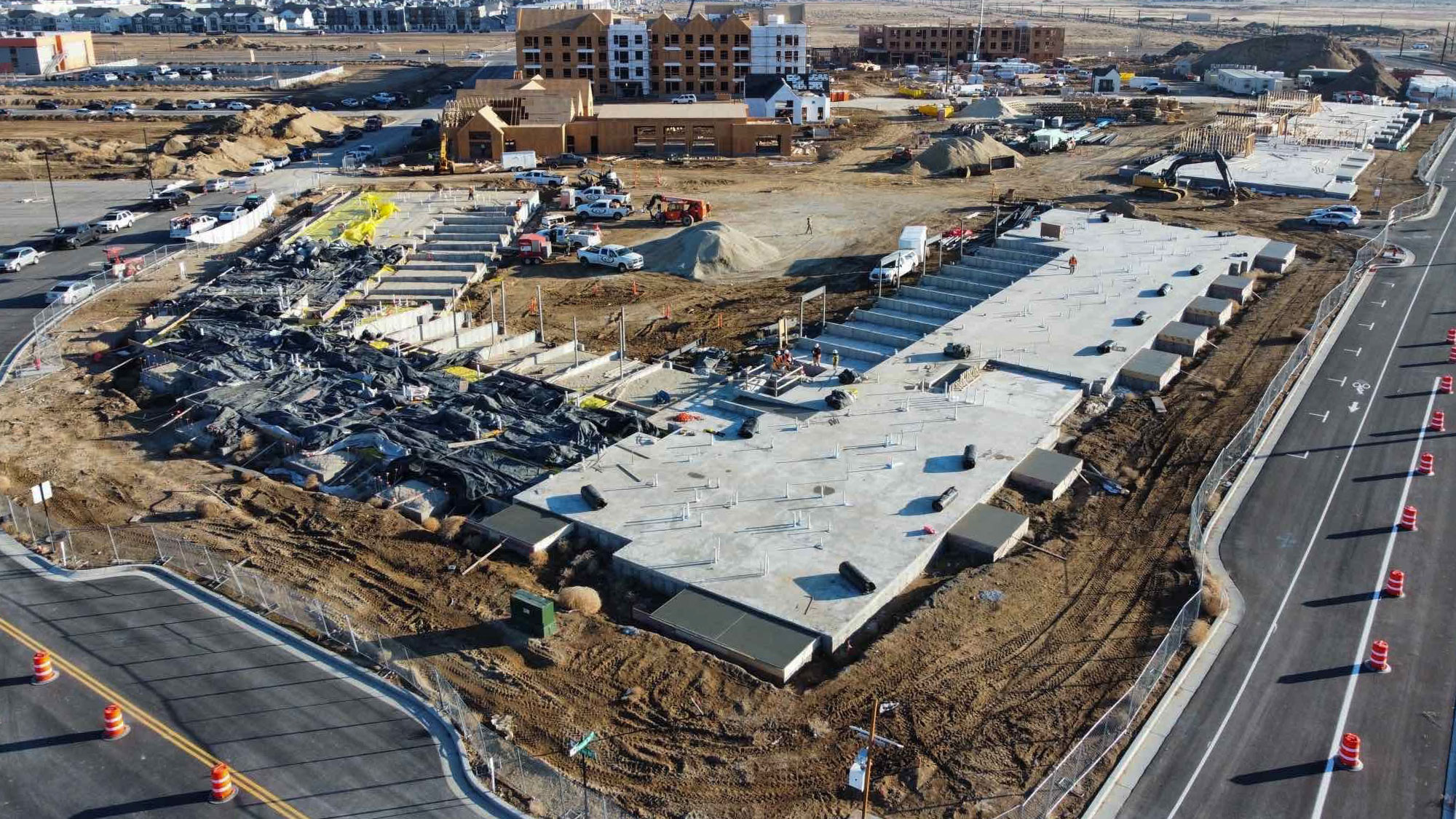
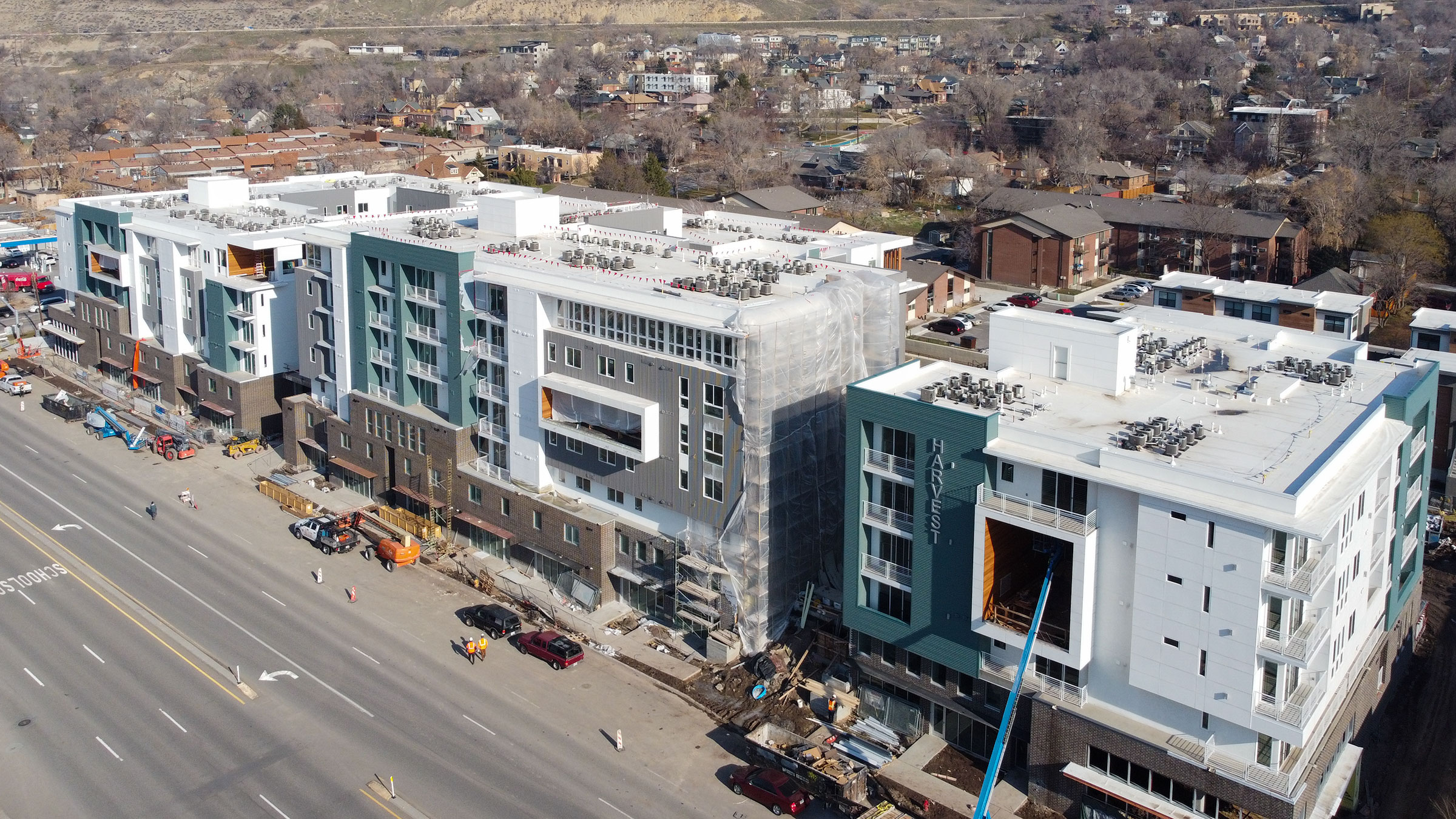
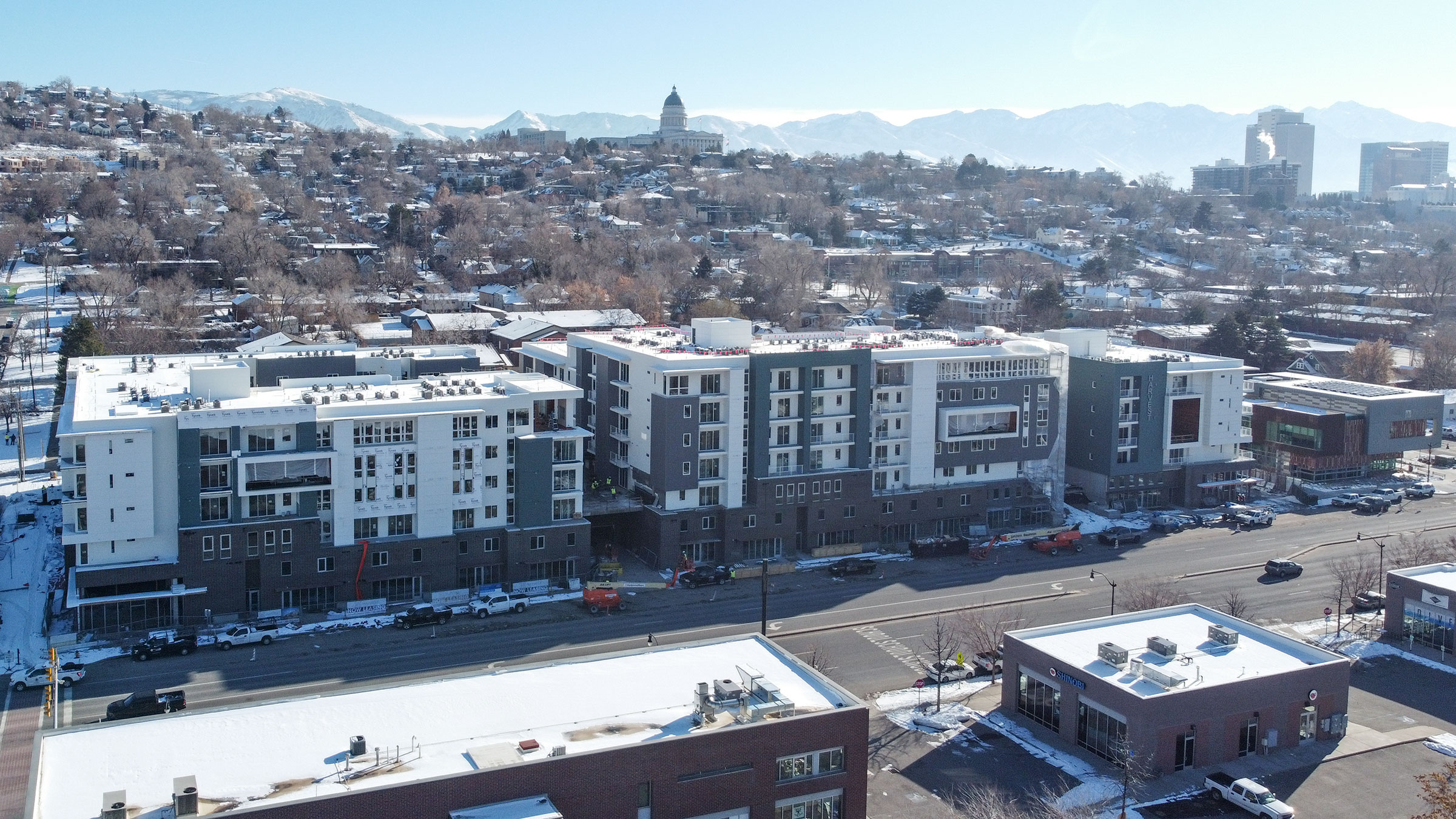
In addition to new photos of Sugar Alley, Kier Construction has also posted new photos of Novel at Daybreak, The Harvest at Marmalade, The Bookbinder Apts., and The Colony B Micro Units.

Colony B Micro Units - (Reduce to 80%)


The Bookbinder Studio Apartments


Novel at Daybreak


The Harvest at Marmalade


.
Reply With Quote
     
     
  #12685  
Old Posted Jan 26, 2022, 10:32 PM
mstar mstar is offline
Registered User
 
Join Date: Mar 2014
Posts: 176
I have enjoyed all of the comments regarding the granary district. I tend to agree with Orlando that this area should be developed with more midrise buildings. I think it would/could create a pretty cool and dynamic neighborhood. I would like the downtown D1 area to be the focus of high rise development. I think we need more density downtown and any new high rise buildings would be better placed there. I would like Salt Lake's downtown to look more like Calgary's some day. I just don't think spreading high rises out over a large area will accomplish that. Just my opinion.
Reply With Quote
     
     
  #12686  
Old Posted Jan 26, 2022, 11:12 PM
Comrade's Avatar
Comrade Comrade is offline
They all float down here
 
Join Date: Jan 2002
Location: Hair City, Utah
Posts: 9,845
I think there is a disconnect here. No one is saying every inch of the development should be high-rises. But a healthy mix in an area that is largely underdeveloped and therefore more likely easier to develop a couple high-rises, makes sense. It just does.

It would be a lost opportunity to take that significant of an area and lock it off to any potential high-rise development. Why? Because that's literally the entirety of Salt Lake and the Central City neighborhoods.

There is no other area, beyond downtown, where we'll have the potential to develop residential high-rises again. Giving it up here is, sadly, stupid and just awful urban planning.

Again: Salt Lake is the only major US city out west that is averse to even entertaining the idea of high-rises outside downtown.

It's hard to take Salt Lake seriously going forward if this is going to be their mindset, especially with how limited the core of downtown is compared to a lot of other western cities (specifically looking at Portland, Denver, Seattle, even Sacramento and Phoenix).
Reply With Quote
     
     
  #12687  
Old Posted Jan 26, 2022, 11:21 PM
TheGeographer TheGeographer is offline
Registered User
 
Join Date: Nov 2020
Location: Salt Lake City
Posts: 290
Quote:
Originally Posted by Comrade View Post
I think there is a disconnect here. No one is saying every inch of the development should be high-rises. But a healthy mix in an area that is largely underdeveloped and therefore more likely easier to develop a couple high-rises, makes sense. It just does.

It would be a lost opportunity to take that significant of an area and lock it off to any potential high-rise development. Why? Because that's literally the entirety of Salt Lake and the Central City neighborhoods.

There is no other area, beyond downtown, where we'll have the potential to develop residential high-rises again. Giving it up here is, sadly, stupid and just awful urban planning.

Again: Salt Lake is the only major US city out west that is averse to even entertaining the idea of high-rises outside downtown.

It's hard to take Salt Lake seriously going forward if this is going to be their mindset, especially with how limited the core of downtown is compared to a lot of other western cities (specifically looking at Portland, Denver, Seattle, even Sacramento and Phoenix).
This, took the words out of my mouth.
Reply With Quote
     
     
  #12688  
Old Posted Jan 26, 2022, 11:35 PM
TheGeographer TheGeographer is offline
Registered User
 
Join Date: Nov 2020
Location: Salt Lake City
Posts: 290
Personally I like Orlando’s overall design. As I mentioned I think there are some real innovative aspects to it and it has some uniqueness that isn’t seen elsewhere in SLC. But as others have mentioned if a developer decides hey I want to build a taller tower in the granary with the other aspects of Orlando’s design intact I don’t see a problem with this. The confluence tower in Denver to the west of the Union station neighborhood is an example of a 330ft tower surrounded by mid to low rise buildings and it fits great in the neighborhood and connects the downtown skyline to the highway. I’m sure there are other examples like the examples Blah provided of Portland. Also forward thinking, the Granary in 10-20 years won’t feel so far away and disconnected from downtown if development continues. I will agree though if I had to choose where all the tallest buildings go, I’d like the 400 S parking lot to develop and some of the vacant lots downtown. With all that said I don’t think a tower or two in granary would hinder future towers in our core downtown area.
Reply With Quote
     
     
  #12689  
Old Posted Jan 26, 2022, 11:59 PM
Blah_Amazing Blah_Amazing is offline
Registered User
 
Join Date: Jul 2017
Posts: 850
I think it also would help reduce concerns to see it on the map comparing the distance between the Granary District and the CBD D-1 Zone.

In the map below, I highlighted in red the current D-1 Central Business District Zone aka Downtown.

I also highlighted in green the Granary District.


As you can see, the Granary District is not only is directly adjacent to the D-1 zone, for half a block the Granary District is actually IN the D-1 zone. That half block is actually the Red Lion property, which speaks to my points related to development possibilities.

The Red Lion property has become somewhat famous on this forum for the renderings of potential development plans and ideas that have popped up over the years.

These range from:


To the even more ambitious:


Right now, one of the Red Lion's towers is being converted into apartments, a supposed step towards future stages of development.

Are the plans above likely to happen as envisioned? Probably not. However, the D-1 zone provided the property owner, architects, and planners the freedom and ability to create plans that are truly unique and interesting that would not be possible under all the height restrictions artificially imposed on the rest of the Granary.

Those restrictions, despite beliefs to the contrary, do not result in great or engaging architecture. Instead, height restrictions only result in developers being forced to build small, but nice, buildings for the rich or relatively basic standard apartment buildings for the project to be financially feasible. The Granary doesn't have the luxury of being considered one of the more desirable neighborhoods yet and therefore isn't able to command the nice architecture for the rich. So what we are seeing get built under these restrictions are mostly (with some exceptions) basic apartment complexes.

These do not lend themselves Orlando's hopes of creating a sense of place. How many people go down 400 South and say: Wow! these standard apartment buildings are all the same height! What a great sense of place!

Similar heights are not what makes a place.

The key to placemaking is designing with people in mind. It is about creating a unique, fun and interesting place that people want to spend their time. It is about creating a walkable, pedestrian-oriented infrastructure that helps highlight a specific place and the people that live there. It is about the design, architectural styles and quirks, public spaces, public art, food, etc that makes it special. Height restrictions rarely, if ever, play a significant role in that. This is because placemaking is mostly how it feels on the ground as a human being, not what it above in the air.

Now, if you want to encourage placemaking, that can be done through other restrictions - such as designating specific materials to be used or how the buildings might interact with people on the ground. In actuality, the Granary would be better served redesigning the streetscapes of many of its overly wide streets than it would by restricting height. In fact, with Salt Lake's overly wide roads, Salt Lake is able to accommodate much taller buildings without people on the ground feeling oppressed by their presence. However, shorter buildings only emphasize the extreme wideness of streets and make them feel even less walkable and inviting to pedestrians - damaging placemaking.

I am not saying towers for towers sake. I am saying the Granary, especially the northern half, is a natural place to extend the D-1 zone and free up the area from its unnecessary height restrictions. I think there is legitimate concerns that can be raised about having D-1 south of 800 South, since the area is pretty solidly low and midrise development now. However, the northern half would benefit tremendously from a significant upzone while the possibilities are still there.

Reply With Quote
     
     
  #12690  
Old Posted Jan 27, 2022, 12:54 AM
Blah_Amazing Blah_Amazing is offline
Registered User
 
Join Date: Jul 2017
Posts: 850
Planning Commission Meeting - January 26, 2022

Reply With Quote
     
     
  #12691  
Old Posted Jan 27, 2022, 4:18 AM
Orlando's Avatar
Orlando Orlando is offline
Registered User
 
Join Date: Nov 2007
Location: Salt Lake City, UT
Posts: 4,122
Quote:
Originally Posted by mstar View Post
I have enjoyed all of the comments regarding the granary district. I tend to agree with Orlando that this area should be developed with more midrise buildings. I think it would/could create a pretty cool and dynamic neighborhood. I would like the downtown D1 area to be the focus of high rise development. I think we need more density downtown and any new high rise buildings would be better placed there. I would like Salt Lake's downtown to look more like Calgary's some day. I just don't think spreading high rises out over a large area will accomplish that. Just my opinion.
Exactly! Thank you Mstar.

This image shows the disparity and the emptiness still in the immediate vicinity in downtown where plenty of 300'+ tall highrises can be built. There's no need for a 300' tall tower in the Granary, nor should one be built there. Maybe something close to 120'. The tower that I designed was about 160'. Still too tall, IMO, now that I look back on it.


Last edited by Orlando; Jan 27, 2022 at 4:57 AM.
Reply With Quote
     
     
  #12692  
Old Posted Jan 27, 2022, 4:31 AM
Orlando's Avatar
Orlando Orlando is offline
Registered User
 
Join Date: Nov 2007
Location: Salt Lake City, UT
Posts: 4,122
Quote:
Originally Posted by Blah_Amazing View Post

Those restrictions, despite beliefs to the contrary, do not result in great or engaging architecture. Instead, height restrictions only result in developers being forced to build small, but nice, buildings for the rich or relatively basic standard apartment buildings for the project to be financially feasible. The Granary doesn't have the luxury of being considered one of the more desirable neighborhoods yet and therefore isn't able to command the nice architecture for the rich. So what we are seeing get built under these restrictions are mostly (with some exceptions) basic apartment complexes.

These do not lend themselves Orlando's hopes of creating a sense of place. How many people go down 400 South and say: Wow! these standard apartment buildings are all the same height! What a great sense of place!

Similar heights are not what makes a place.

The key to placemaking is designing with people in mind. It is about creating a unique, fun and interesting place that people want to spend their time. It is about creating a walkable, pedestrian-oriented infrastructure that helps highlight a specific place and the people that live there. It is about the design, architectural styles and quirks, public spaces, public art, food, etc that makes it special. Height restrictions rarely, if ever, play a significant role in that. This is because placemaking is mostly how it feels on the ground as a human being, not what it above in the air.

Now, if you want to encourage placemaking, that can be done through other restrictions - such as designating specific materials to be used or how the buildings might interact with people on the ground. In actuality, the Granary would be better served redesigning the streetscapes of many of its overly wide streets than it would by restricting height. In fact, with Salt Lake's overly wide roads, Salt Lake is able to accommodate much taller buildings without people on the ground feeling oppressed by their presence. However, shorter buildings only emphasize the extreme wideness of streets and make them feel even less walkable and inviting to pedestrians - damaging placemaking.

I am not saying towers for towers sake. I am saying the Granary, especially the northern half, is a natural place to extend the D-1 zone and free up the area from its unnecessary height restrictions. I think there is legitimate concerns that can be raised about having D-1 south of 800 South, since the area is pretty solidly low and midrise development now. However, the northern half would benefit tremendously from a significant upzone while the possibilities are still there.


Again, sorry man, but I disagree with a lot of what you are saying. Not trying to be a jerk.

But, 1) your argument that height restrictions encourage unaffordable places to live is not a good one at all.
2) 4th south's midrise stuff started with nothing there before, and the only way SLC was going to get density on there was to loosen up the ground floor retail requirements. There are plenty of places that I know of that have vibrant mid-rise apartment urban places. Capitol hill in Seattle, Northwest portland, and all over Portland, actually.
3) Sense of place has a lot to do with scale, ie. heights & massing.
But, it also has a lot to do with architectural elements, open space, also like what you are talking about.
4) the Red Lion development case is a poor example to justify what can be done in the Granary. It's in the Grand Boulevards part of SLC's masterplan and is on a major thoroughfare entering the south end of downtown. It's car/hotel area. The Granary is much different in feel and scale than that area.
Reply With Quote
     
     
  #12693  
Old Posted Jan 27, 2022, 4:32 AM
Orlando's Avatar
Orlando Orlando is offline
Registered User
 
Join Date: Nov 2007
Location: Salt Lake City, UT
Posts: 4,122
Quote:
Originally Posted by Blah_Amazing View Post
Anything important occur in the meeting?
Reply With Quote
     
     
  #12694  
Old Posted Jan 27, 2022, 4:49 AM
Orpheum Orpheum is offline
Registered User
 
Join Date: Aug 2003
Posts: 170
So.. I'm not loving the view of the CCH from the west. The scale is way off in relation to the other buildings.

It's too wide, and it looks like a giant flask. Oh the irony.

Can someone please help me unsee the flask?


Reply With Quote
     
     
  #12695  
Old Posted Jan 27, 2022, 4:52 AM
Orlando's Avatar
Orlando Orlando is offline
Registered User
 
Join Date: Nov 2007
Location: Salt Lake City, UT
Posts: 4,122
Ya, it's way too wide. SLC needs to add width restrictions to their downtown zoning code. The building heights squash these buildings, but if they added width restrictions, they could get less squatty and wide towers, and more better proportioned towers.
Reply With Quote
     
     
  #12696  
Old Posted Jan 27, 2022, 8:47 AM
rockies's Avatar
rockies rockies is offline
Registered User
 
Join Date: Apr 2021
Location: Utah
Posts: 360
Surely there are better ways to incentivize density and height in the downtown core without completely limiting the height of all potential projects in the granary? It seems like an overly specific 'sense of place' to fabricate when there are so many opportunities to increase tax rev/population (esp if building more transit).

I see what you mean with wanting to create a certain vibe, but imo the place for low rises should really be all over the east side where we would be lucky to see it and the roads are smaller
Reply With Quote
     
     
  #12697  
Old Posted Jan 27, 2022, 1:44 PM
TheGeographer TheGeographer is offline
Registered User
 
Join Date: Nov 2020
Location: Salt Lake City
Posts: 290
Blah I like your logic and well thought out logic. Here’s to hoping decision makers for the Granary think more like you and are not inside the box thinkers. If they think inside the box and only want to develop low rise apartments and offices we’ll end up with a neighborhood full of a bunch of 3-5 story apartments slapped on 2 story parking garages with little to no ground retail. Hope I’m wrong but history tends to repeat itself.

Last edited by TheGeographer; Jan 27, 2022 at 2:07 PM.
Reply With Quote
     
     
  #12698  
Old Posted Jan 27, 2022, 2:07 PM
TheGeographer TheGeographer is offline
Registered User
 
Join Date: Nov 2020
Location: Salt Lake City
Posts: 290
Orlando - it looks like the northern boundary of the Granary is connected to the 6th south “grand boulevard” by Blahs boundaries, or one block south in your model of the Granary neighborhood. The closeness and connectives of the Granary to 6th south makes the red lion a good example, and strengthens Blahs argument. Blah also mentions supporting heights lowering from north to south in the Granary, from the grand boulevard southward. Not sure if you’re catching these details or not. The spatial context of the Granary to the 6th south grand boulevard matters in these height restriction discussions.
Reply With Quote
     
     
  #12699  
Old Posted Jan 27, 2022, 2:23 PM
TheGeographer TheGeographer is offline
Registered User
 
Join Date: Nov 2020
Location: Salt Lake City
Posts: 290
One other point, I feel like some on the salt lake skyscraper forum feel a “high rise” starts at 150 ft or so. That’s an average height for a development in other cities like Denver or Austin. In Denver buildings in the 150-250ft range are popping up all over the place outside of the main downtown. I agree let’s keep the high rises concentrated in the D-1 in salt Lake, but let’s not pretend that a 150-250 ft building that we’re arguing over in the Granary is a high rise. If we do keep pretending that a building that size is a high rise then as Comrade pointed out no one will take us seriously.
Reply With Quote
     
     
  #12700  
Old Posted Jan 27, 2022, 2:56 PM
Orlando's Avatar
Orlando Orlando is offline
Registered User
 
Join Date: Nov 2007
Location: Salt Lake City, UT
Posts: 4,122
Quote:
Originally Posted by TheGeographer View Post
Orlando - it looks like the northern boundary of the Granary is connected to the 6th south “grand boulevard” by Blahs boundaries, or one block south in your model of the Granary neighborhood. The closeness and connectives of the Granary to 6th south makes the red lion a good example, and strengthens Blahs argument. Blah also mentions supporting heights lowering from north to south in the Granary, from the grand boulevard southward. Not sure if you’re catching these details or not. The spatial context of the Granary to the 6th south grand boulevard matters in these height restriction discussions.
Yes, Granary borders the Grand Boulevards, but the Red Lion development is a much, much different kind of place with 6 lanes of car traffic coming through there and is on the southern border of the D-1 zone, and is not a good example to use for the Granary.

I can agree that height limits should lower from north to south-southwest, though. If Red Lion is in the 150 to 200 foot level, then 65-120 feet could be the right height allowance towards the southern end of the Granary.
Reply With Quote
     
     
This discussion thread continues

Use the page links to the lower-right to go to the next page for additional posts
 
 
Reply

Go Back   SkyscraperPage Forum > Regional Sections > United States > Mountain West
Forum Jump


Forum Jump


All times are GMT. The time now is 4:22 PM.

     
SkyscraperPage.com - Privacy Statement - Top

Powered by vBulletin® Version 3.8.7
Copyright ©2000 - 2026, vBulletin Solutions, Inc.