HomeDiagramsDatabaseMapsForum About
     

Go Back   SkyscraperPage Forum > Regional Sections > United States > Mountain West


Reply

 
Thread Tools Display Modes
     
     
  #1081  
Old Posted Jan 13, 2009, 8:33 AM
Boiseguy's Avatar
Boiseguy Boiseguy is offline
Always running Late
 
Join Date: May 2007
Location: BOISE
Posts: 1,218
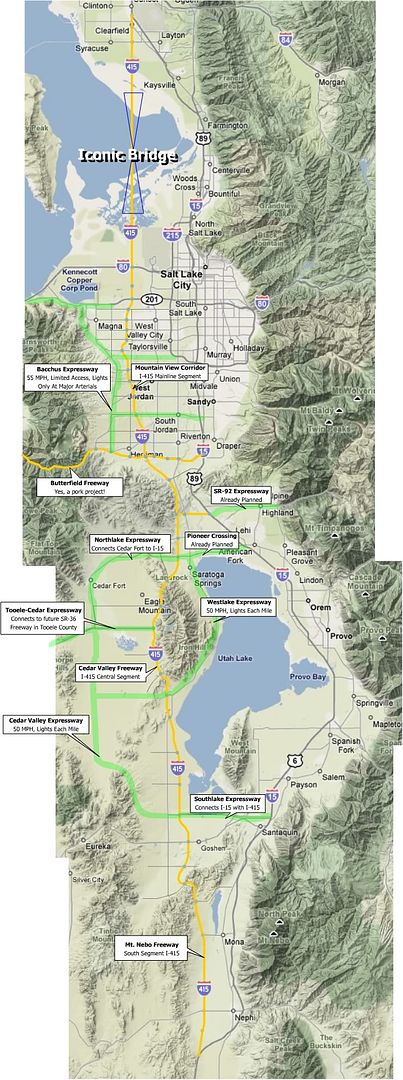
You know, as the wasatch front keeps expanding, I think the 415 route you just showed could be a reality in 20-30 years. Although I don't think your iconic bridge would be factored in due to cost. but I think going around the north side of the airport and down on the west side of the valley is a very real option, not to mention opening up eagle mountain and that valley...
Reply With Quote
     
     
  #1082  
Old Posted Jan 13, 2009, 4:15 PM
shakman's Avatar
shakman shakman is offline
Chairman
 
Join Date: Jun 2002
Location: PRMD - People's Republic of Maryland
Posts: 2,688
Subway System

Has the region considered a subway system for the future? IMO the area should be more pro-active than it currently is and start to consider a subway system.

It is verly costly to build, especially underground, but it does pay-off in the long run.

(Except for the Washington DC area... 2nd worst traffic in the US with a 103 mile subway system and growing by another 20 miles by 2012. By 2012, I am sure it will remain number 2.)
__________________
"I measure the value of life not by how much I have, instead by what I have done.

-sb
Reply With Quote
     
     
  #1083  
Old Posted Jan 13, 2009, 6:37 PM
NYC Rick NYC Rick is offline
Registered User
 
Join Date: Jun 2007
Location: New York City
Posts: 387
The last time a subway paid off was DC...

Quote:
Originally Posted by shakman View Post
Has the region considered a subway system for the future? IMO the area should be more pro-active than it currently is and start to consider a subway system.

It is verly costly to build, especially underground, but it does pay-off in the long run.

(Except for the Washington DC area... 2nd worst traffic in the US with a 103 mile subway system and growing by another 20 miles by 2012. By 2012, I am sure it will remain number 2.)
You are right, it is very costly to build. Too costly. I live in NYC and it going up to $3.00 per ride. The subway maintenance alone is off the charts.

Light rail is perfect for almost any city that needs inner city transit. Clean and functional.

I would like to know where it pays off to have a subway system if it is not already built. Even then, it is a very expensive proposition that really barely pays for itself and often runs in the red.
Reply With Quote
     
     
  #1084  
Old Posted Jan 13, 2009, 6:53 PM
i-215's Avatar
i-215 i-215 is offline
Exit 298
 
Join Date: Sep 2003
Location: Inland Empire (CA)
Posts: 3,483
I must agree. The Salt Lake metro area has fairly uniform population density, but one that isn't high enough to support a subway.

I do think Commuter Rail will work, and I'd also plug that the I-415 corridor should have a transit alignment in tandem with the project, running from Nephi to Ogden.
__________________
I've stopped caring. Good luck, America
Reply With Quote
     
     
  #1085  
Old Posted Jan 13, 2009, 7:02 PM
shakman's Avatar
shakman shakman is offline
Chairman
 
Join Date: Jun 2002
Location: PRMD - People's Republic of Maryland
Posts: 2,688
Quote:
Originally Posted by NYC Rick View Post
You are right, it is very costly to build. Too costly. I live in NYC and it going up to $3.00 per ride. The subway maintenance alone is off the charts.

Light rail is perfect for almost any city that needs inner city transit. Clean and functional.

I would like to know where it pays off to have a subway system if it is not already built. Even then, it is a very expensive proposition that really barely pays for itself and often runs in the red.
Well the "positive" I was referring to is reducing traffic. Hence why I mentioned DC's subway system and expanding, yet still has a traffic problem.

Light rail has become an extremely popular for of mass-transit and is easier to build and maintain. However, the number of passengers that can be accomodated is limited as compared to a subway system. With the area now being one of the fastest growing, I would think it makes some sense to start exploring mass-transit on a larger scale. Even if not a subway system, but something that can accomodate more passengers.
__________________
"I measure the value of life not by how much I have, instead by what I have done.

-sb
Reply With Quote
     
     
  #1086  
Old Posted Jan 13, 2009, 8:04 PM
cololi cololi is offline
Registered User
 
Join Date: Jul 2008
Posts: 690
Quote:
Originally Posted by shakman View Post
Well the "positive" I was referring to is reducing traffic. Hence why I mentioned DC's subway system and expanding, yet still has a traffic problem.

Light rail has become an extremely popular for of mass-transit and is easier to build and maintain. However, the number of passengers that can be accomodated is limited as compared to a subway system. With the area now being one of the fastest growing, I would think it makes some sense to start exploring mass-transit on a larger scale. Even if not a subway system, but something that can accomodate more passengers.
A subway makes no sense in SLC. Our large blocks and wide streets are a major advantage for transit planning because we already have many corridors suitable for placing a track in and we can link more cars. If we could bypass Main St downtown, then we could put 600 foot long trains together. No other city that I know of can do that within their existing right of ways. The Salt Lake Metro is developing a fairly comprehensive plan with expanded commuter rail for longer trips, light rail for medium trips and a street car and bus system for short trips. Too bad it can't be built in a day, but all great things take time.
Reply With Quote
     
     
  #1087  
Old Posted Jan 13, 2009, 8:11 PM
Future Mayor's Avatar
Future Mayor Future Mayor is offline
Vote for me in 2019!
 
Join Date: Jun 2007
Location: Salt Lake City, UT
Posts: 4,803
I think with additional routes being continually added, and if they connect to each other rather than simply via the main track, that Trax will easily be able to accommodate the increase in ridership that is inevitably going to occur. Another simple solution will be to increase the frequency of the trains, during peak hours.

It looks as if S bound trains run about every 12 minutes during peak commute time. I would predict that once the new lines are added that a S bound train will be leaving downtown about every 4 minutes. While there won't be a sandy train every four minutes, many of the other southbound riders such as murray, millcreek and SSL will be able to catch any of the other two trains and reach their destinations before they ultimately head towards WVC and SJ. This will allow for an increase in Sandy only ridership as well. Front Runner south will also eliviate some of the potential north south ridership on trax. If you could jump on FR from Sandy or Draper, especially if you are coming from the west, and have only a couple of stops on a faster train, as opposed to more stops on Trax that will also take care of increased capacity. FR seems to have a much larger potential for capacity increase, with additional cars and more double decker cars.

I could also anticipate a train every 3 minutes, with every other train headed to Sandy/Draper and the others headed to WVC and SJ.

Having BRT that runs along 5600 W, with the future potential of LRT, or the potential LRT along the Baucus Hwy, connecting to other lines, this will allow for a substantial increase in capacity, while utilizing the transit we currently have in place.

Back in the day, when trax was just a proposal and I was a student at SLCC I had to present something in my speech class and I choose Light Rail. Subways are estimated to cost roughly 10 times that of LRT and a monorail is roughly 5-6 times more expensive to build than LRT. So the amount of LRT and commuter rail that could be built. Especially considering the amount of commuter that come from outside of the city, with the dispersed population that has been mentioned.

Maybe I should have posted this on the transit thread.
Reply With Quote
     
     
  #1088  
Old Posted Jan 13, 2009, 8:18 PM
jtrent77 jtrent77 is offline
Registered User
 
Join Date: Aug 2008
Posts: 571
Quote:
Originally Posted by shakman View Post
Has the region considered a subway system for the future? IMO the area should be more pro-active than it currently is and start to consider a subway system.

It is verly costly to build, especially underground, but it does pay-off in the long run.

(Except for the Washington DC area... 2nd worst traffic in the US with a 103 mile subway system and growing by another 20 miles by 2012. By 2012, I am sure it will remain number 2.)
I'm not sure about the "pay off in the long run." Even in the DC area with the anticipated extension of metro to Tysons and Dulles they are STILL arguing about whether it will be above ground or below--with above seeming to win out right now. While light rail takes up space on the street which causes intersection issues, right now in the SLC area, TRAX has right of way until you get to downtown SLC, so for the most part it moves along at a comparable pace to subway system and doesn't cause any major back ups for the most part. Whether that will still be the case with the added lines coming in will remain to be seen. One nice thing about the current set up is a lot of the population tend to commute either north or south, the east west component isn't nearly as big right now.
Reply With Quote
     
     
  #1089  
Old Posted Jan 14, 2009, 6:55 AM
WASDEN's Avatar
WASDEN WASDEN is offline
Registered User
 
Join Date: Sep 2007
Location: Kailua HI
Posts: 391
Quote:
Originally Posted by i-215 View Post
Well, if we're talking dream projects ...

Let me introduce you to Interstate 415, Utah's ultimate infrastructure boost! Complete with a sister network of higher-speed at grade expressways.


If Utah got the money and started building this tomorrow, both Urbanboy and I would probably die of heart attacks.

But for totally different reasons.

215- afer reviewing your 'I-415' project, I must now dub thee 'Lord of Sprawl' or 'Sprawl Demon,' you may pick your title. But I am a realist, and this is Utah, and I acknowledge the fact something similar to your evil plan will eventually take place, so I conceed .

A thought- scrap your 'iconic bridge,' and swing I-415 over to Antelope Island. Go big or go home!
Reply With Quote
     
     
  #1090  
Old Posted Jan 14, 2009, 7:18 AM
i-215's Avatar
i-215 i-215 is offline
Exit 298
 
Join Date: Sep 2003
Location: Inland Empire (CA)
Posts: 3,483


Thanks, Wasden!

I guess I'd rather see a mobile Wasatch Front - even if it's in cars, than one that sprawl out without any planned infrastructure.
__________________
I've stopped caring. Good luck, America
Reply With Quote
     
     
  #1091  
Old Posted Jan 14, 2009, 1:14 PM
delts145's Avatar
delts145 delts145 is online now
Registered User
 
Join Date: Aug 2006
Location: Downtown Los Angeles
Posts: 20,569
Metro Mayor's Smitten. Fall In Love With Streetcar Systems

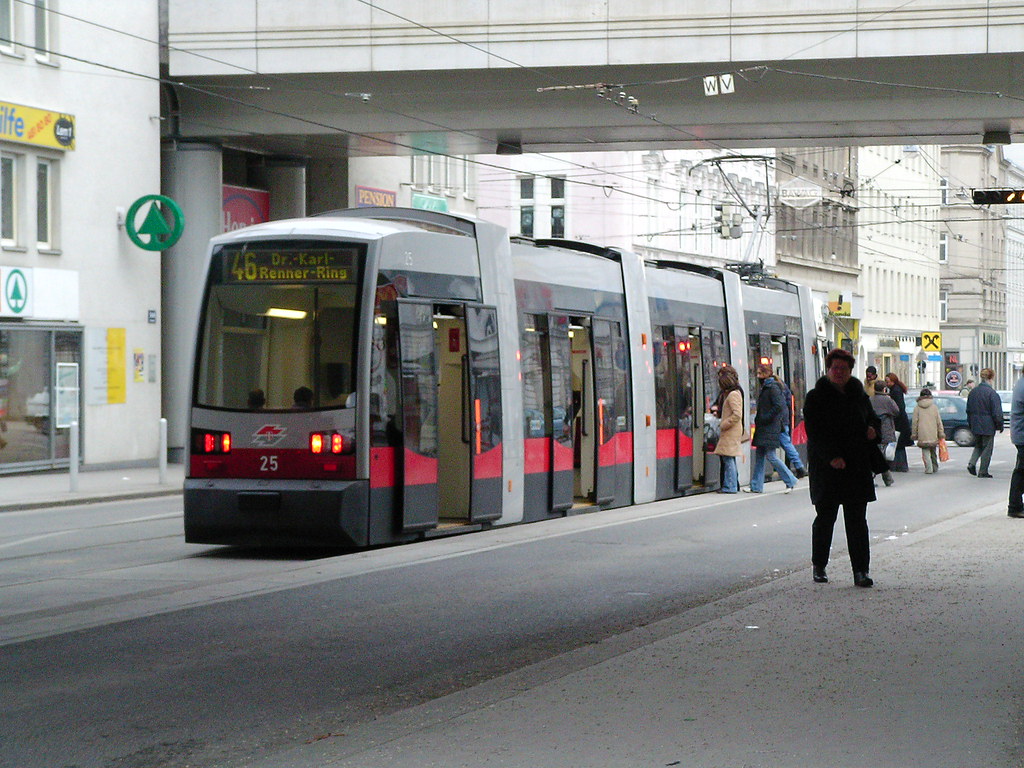
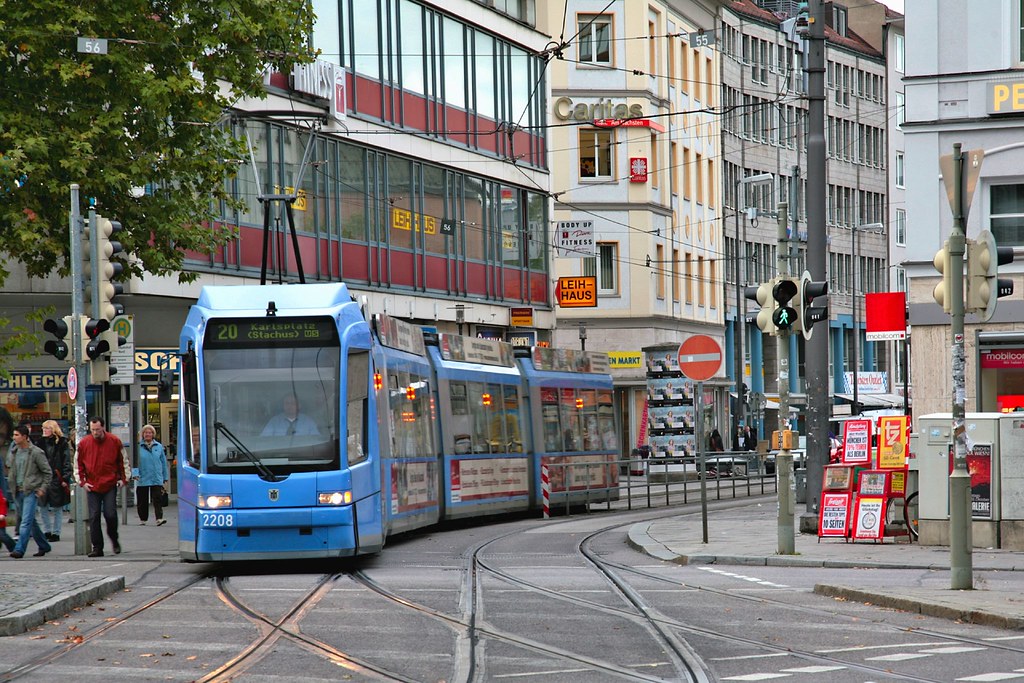
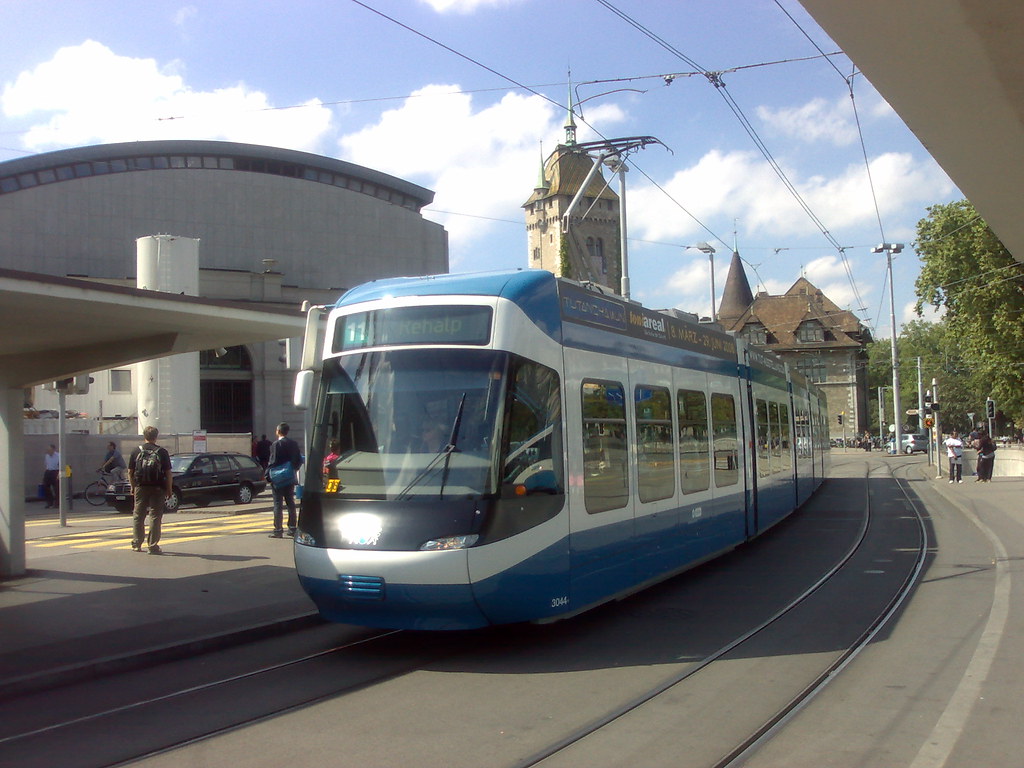
Streetcar Capitals: Paris, Monaco, Vienna, Munich, Zurich ,Nice, Bordeaux, "and drumroll please.... Salt Lake City."

UTA, mayors take European tour
Streetcar pitch » Agency foots bill to sell cities on alternative to light rail.


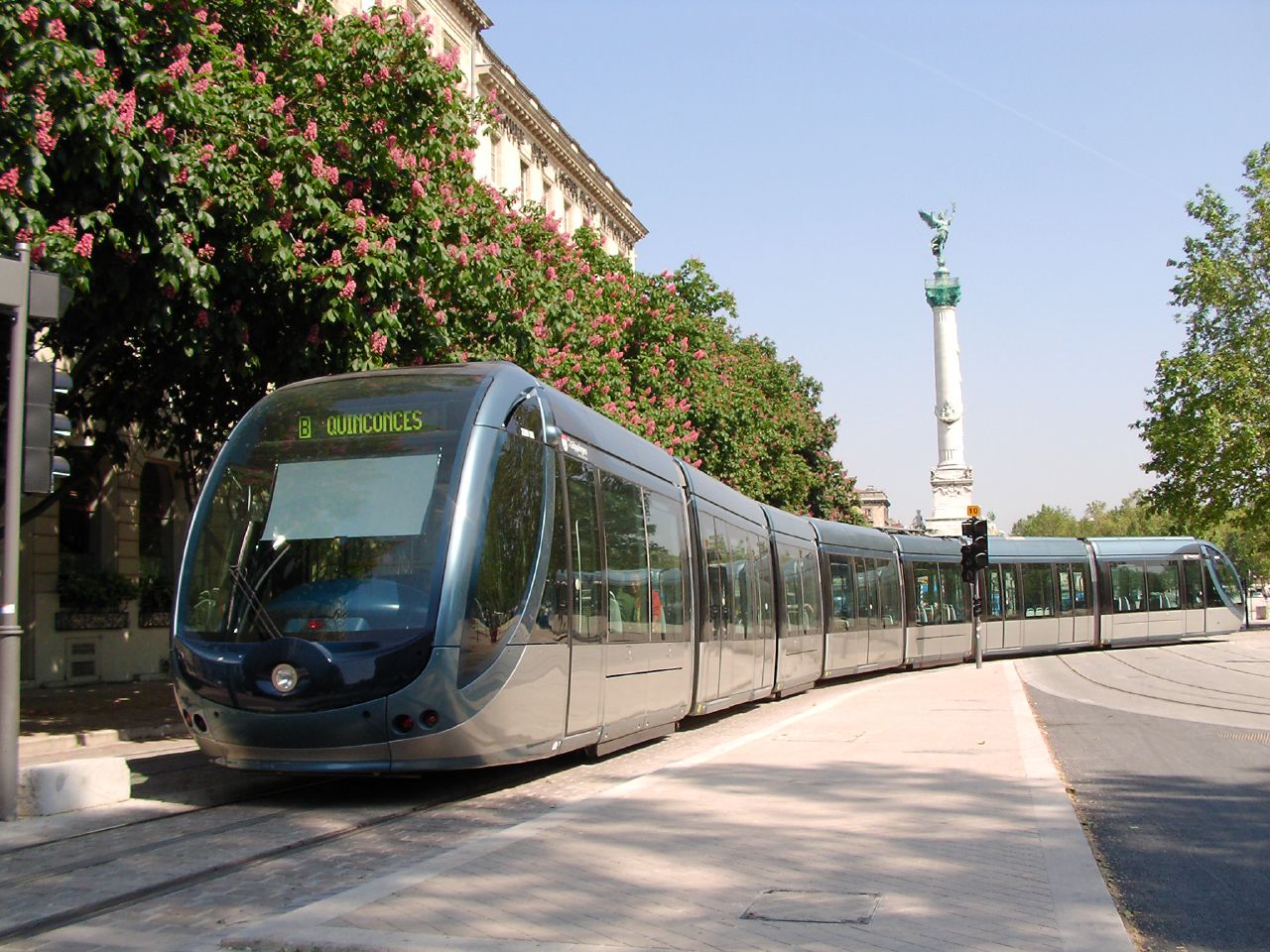
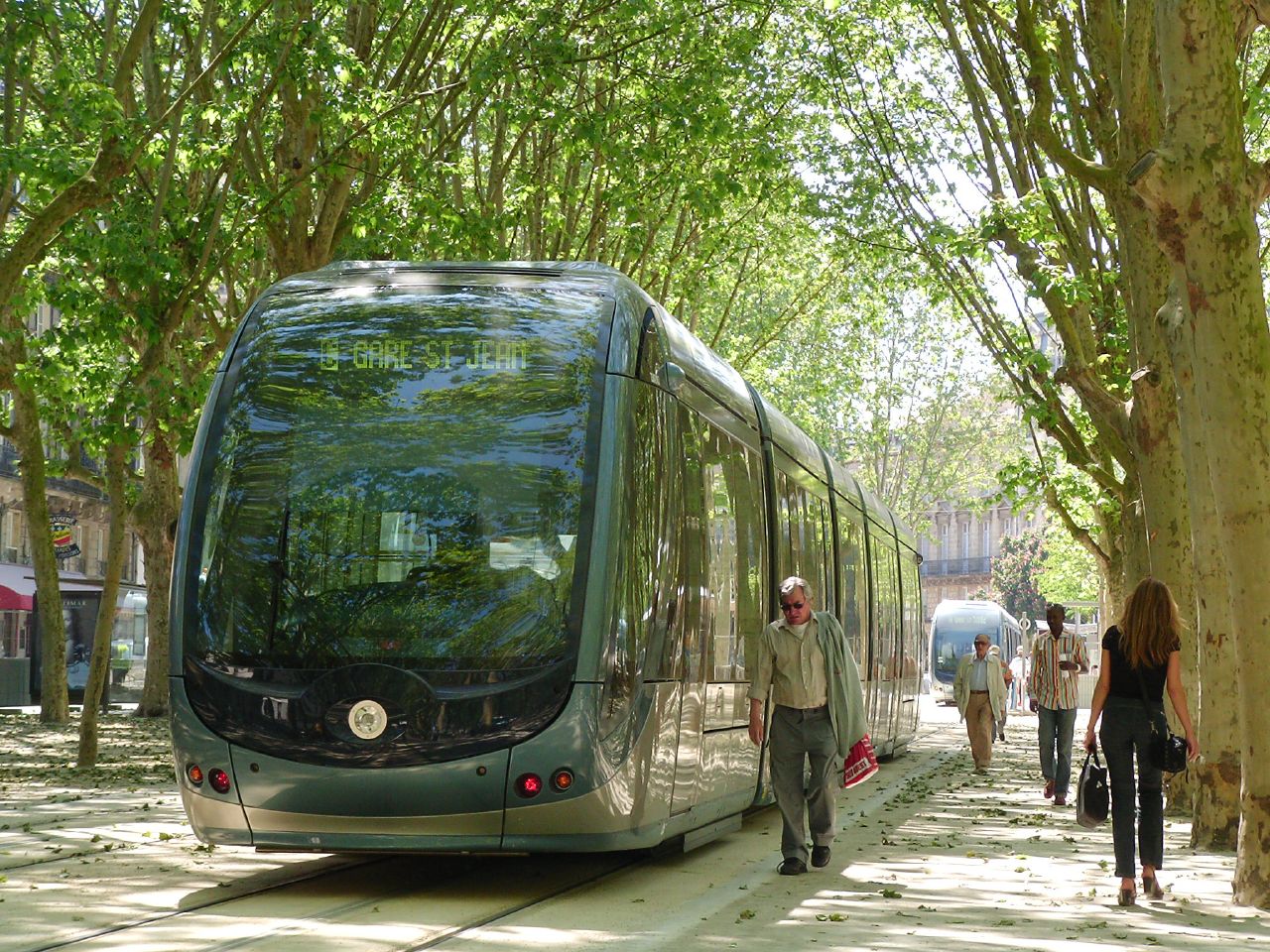
The streetcars in Bordeaux, France, could provide a model for cities in Utah to connect neighborhoods and commercial centers without the expense of a light-rail system. UTA officials and three mayors toured six European cities last month to view modern streetcar systems. (Courtesy of Kerry Doane / Utah Transit Authority)

By Brandon Loomis
The Salt Lake Tribune


The Utah Transit Authority spent at least $48,000 last month taking nine managers and board members, a business booster and three mayors on a weeklong tour of six European streetcar systems.

The itinerary: Vienna, Munich, Zurich, Nice and Bordeaux, with incidental stops in Monaco and Paris. The goal: peruse state-of-the-art trains unlike any used in North America and consider them as possible connectors that can share traffic lanes with cars to link with Utah's expanding light-rail system. The travel tab: An estimated $3,700 a head -- all from UTA tax dollars.

Critics say that, while neighborhood electric streetcars may be a vital link in the future, right now Utah suffers a budget crunch.

"Everybody's cutting

UTA Riviera streetcars back, economizing and slimming down, and these guys are off to Europe?" said Linda Hilton, an advocate for the poor at Salt Lake City's Crossroads Urban Center. "If [riders] knew their fare increases were being used to pay for UTA officials, who already make large sums of money, to go to Europe, they would be upset."

Linda Parsons, director of the advocacy group Utah Jobs with Justice, agrees that now is not the time to be "flitting around"

"We need mass transit so desperately," she said, "and they seem to foolishly spend [money] at every whim."

But Sen. Curt Bramble, a former UTA board member who admits a "love-hate" relationship with the agency, called the trip a good use of tax dollars, although he said the size of the delegation could be questioned.

"If we're going to spend tens of millions of dollars on a transit project I think that going out in the field and seeing firsthand the projects -- that's money well-spent," said the Provo Republican.

Streetcars are cheaper than light rail, at perhaps $15 million to $20 million a mile instead of $40 million, said UTA General Manager John Inglish, who traveled with the group. Streetcars pull up to curbs and don't need boarding platforms.

Seeing and experiencing the possibilities helped show the mayors of Salt Lake County, Bountiful and Ogden that the less-expensive option might be the best for their jurisdictions, Inglish said. Portland, Ore., has a successful streetcar system, but it uses older technology, he said.

"You don't have vision if you don't see it happening somewhere," Inglish said. "They were blown away."

Salt Lake County Mayor Peter Corroon said the tour helped him see the importance of zoning areas to encourage higher-density developments around the rails, and that streetcars are low-impact vehicles that can coexist with pedestrians and even parks.

Corroon and the others rushed from one city to the next every day, occasionally stopping for a meal courtesy of local transit officials and suppliers. In Zurich, UTA's itinerary had them enjoying a "fondue tram," eating melted delights while riding a train through town.

Although a streetcar must compete with cars in traffic, it moves more people faster than buses can. A streetcar can stretch to carry 500 people if necessary, using just one operator, Inglish said.

Bordeaux, France, demonstrated a new technology that uses a third rail that is electrified only as the car passes over it, eliminating the risk of pedestrian electrocutions. Other trains on the tour packed batteries, allowing cities to dispense with overhead wires in places, such as city-center plazas. Those technologies proved persuasive to Ogden Mayor Matthew Godfrey, who said he doesn't want overhead wires in his city.

Manufacturers and European transit officials showed the delegation that the battery packs can power through snow, Godfrey said. "We got an assurance that the technology exists to do what we wanted to do in Ogden."

Bountiful Mayor Joe Johnson said he was so smitten that he not only dropped his opposition to a streetcar line from Salt Lake City but now prefers it to TRAX. He had worried about running the trains in traffic, but found that they're more accessible in neighborhoods, move faster than he had imagined (around 40 mph) and don't require light rail's broad path.

The delegates shuttled to seven cities in seven days. Inglish doubts any of them got more than six hours of sleep a night.

"This wasn't a vacation," Johnson said.

UTA invited Salt Lake City Mayor Ralph Becker, but he declined. He said he didn't need to be sold on streetcars, although he believes the trip was valuable for those who took it.

About the trip
Who went » Salt Lake County Mayor Peter Corroon; Ogden Mayor Matthew Godfrey; Bountiful Mayor Joe Johnson; Salt Lake Chamber of Commerce President Lane Beattie; UTA General Manager John Inglish; Assistant General Manager Mike Allegra; Board Chairman Larry Ellertson; board member Justin Allen; General Counsel Bruce Jones; Chief Communications Officer Andrea Packer; streetcar project manager Kerry Doane; and regional UTA directors Art Bowen and Lorin Simpson.

Where they went » Vienna, Austria; Munich, Germany; Zurich, Switzerland; Nice, France; Bordeaux, France; Monaco; and Paris.

What it cost » An estimated $3,724.50 per person.

What they saw » Trains that run on streets, like those that crisscrossed Salt Lake City in the early 20th century but faster, with modern electrical systems, batteries and in-ground electrified rails. The vehicles generally feed from neighborhoods into subway lines, the way UTA expects to connect Utahns to TRAX and FrontRunner.

How it translates » Officials say the trip helped them see how a streetcar web in Utah could coexist with traffic, carry more people than buses and avoid, in places, using overhead power lines.


..

Reply With Quote
     
     
  #1092  
Old Posted Jan 14, 2009, 1:59 PM
delts145's Avatar
delts145 delts145 is online now
Registered User
 
Join Date: Aug 2006
Location: Downtown Los Angeles
Posts: 20,569
Streetcars

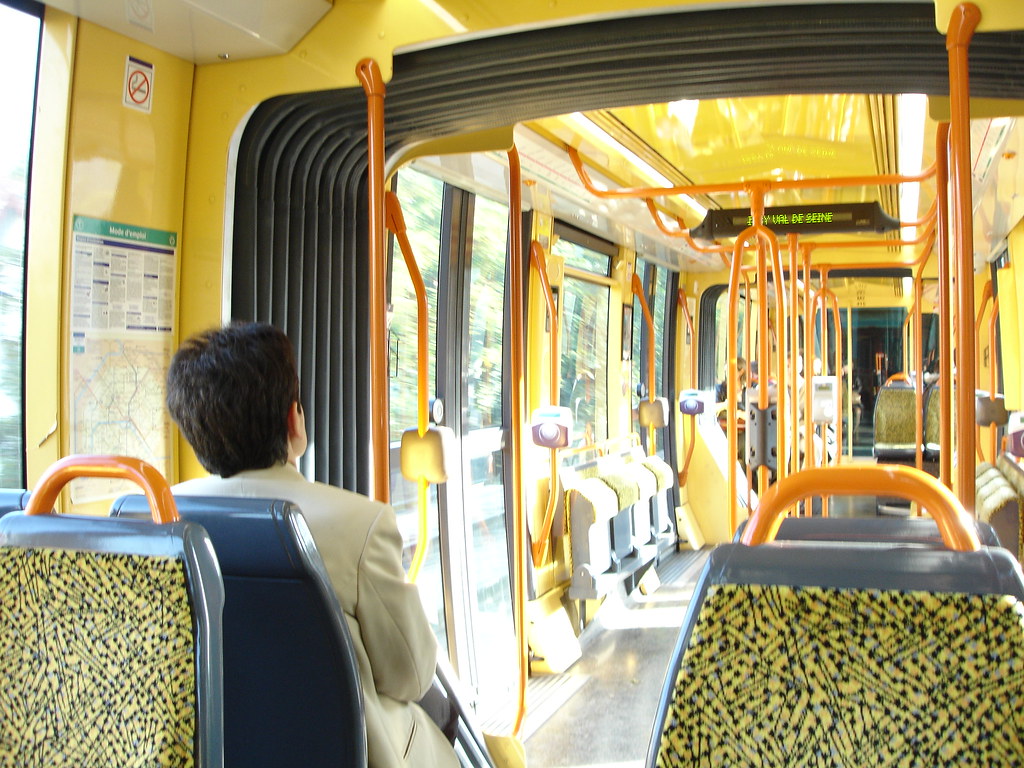
Streetcar interior - Paris

Susan Decker

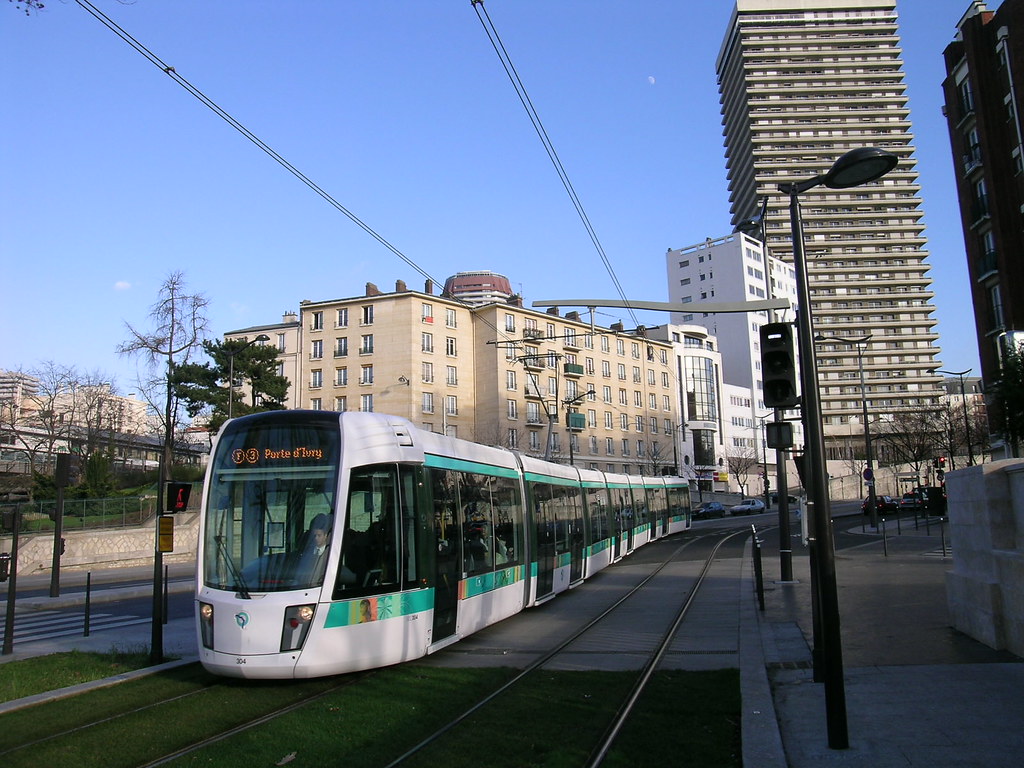
Boulevard Kellermann - Paris

by Meteorry

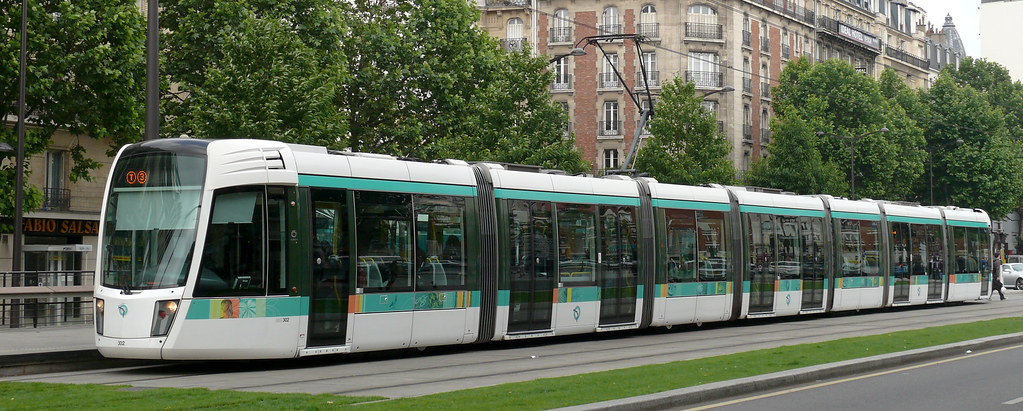
Paris

by Jc

Vienna

by MarS

The Ottakring Streecar - Vienna

by NeiTech

Quinconces BOD3137 - Bordeaux, France

by NeiTech

Munich

by Woodpeckar

Zurich

by lazytom

.
Reply With Quote
     
     
  #1093  
Old Posted Jan 14, 2009, 3:45 PM
shakman's Avatar
shakman shakman is offline
Chairman
 
Join Date: Jun 2002
Location: PRMD - People's Republic of Maryland
Posts: 2,688
Street Cars and Cables

I like street cars, however I am not a fan of the over head cables.
__________________
"I measure the value of life not by how much I have, instead by what I have done.

-sb
Reply With Quote
     
     
  #1094  
Old Posted Jan 14, 2009, 4:01 PM
cololi cololi is offline
Registered User
 
Join Date: Jul 2008
Posts: 690
If cost is not issue, then I say get the system like in Bordeaux. No catenaries there. But I think those trains are battery powered. They cost a ton more. I believe the manufacturer is in Bordeaux, so they save tens of millions on shipping costs. But, SLC may be in the market for some battery powered trains, due to the need to cross the main heavy rail line that splits the valley. You can't cross those tracks with a streetcar or LRT at grade, so it requires either over passes or underpasses. The cost of which may make battery cars a more viable option. But also notice how much lighter the catenaries in europe are.
Reply With Quote
     
     
  #1095  
Old Posted Jan 14, 2009, 4:04 PM
Future Mayor's Avatar
Future Mayor Future Mayor is offline
Vote for me in 2019!
 
Join Date: Jun 2007
Location: Salt Lake City, UT
Posts: 4,803
While SL is not traditionally looked at as a heavy manufacturing center, maybe this is a prime opportunity to attempt to lure a rail care/street car manufacturer to the region. Not only would it save a ton of money for us in shipping but with the boom of LRT and street car in the US and particularly in the west it would be a very central location for such a manufacturer.
Reply With Quote
     
     
  #1096  
Old Posted Jan 14, 2009, 4:45 PM
skyguy414 skyguy414 is offline
Registered User
 
Join Date: Jan 2008
Location: SLC
Posts: 299
Quote:
Originally Posted by Future Mayor View Post
While SL is not traditionally looked at as a heavy manufacturing center, maybe this is a prime opportunity to attempt to lure a rail care/street car manufacturer to the region. Not only would it save a ton of money for us in shipping but with the boom of LRT and street car in the US and particularly in the west it would be a very central location for such a manufacturer.
Bombardier opened a facility around 900 N 500 W to refurbish UTA's cars and either does or will perform refrubishments on other city's light rail and commuter rail cars. They have expressed interest in the past to increase operations here but I am not sure if this includes production or just a larger maintenance facility. I know they don't have any production plants in the western US as of now. Bombardier has a pretty good relationship with Utah and its companies (UTA and SkyWest come to mind), and there was talk several years ago of a Bombardier Aerospace plant in Ogden but they weren't able to open any new plants due to decreased orders and slumping economy. Perhaps when things get a little better they will look into it.
Reply With Quote
     
     
  #1097  
Old Posted Jan 14, 2009, 7:09 PM
ski_steve ski_steve is offline
Registered User
 
Join Date: Oct 2007
Location: Chicago
Posts: 467
Whats the difference between a street car and light rail? Why is the cost almost half of light rail?

I love it when there is grass around the tracks!

flickr

flickr

flickr

Reply With Quote
     
     
  #1098  
Old Posted Jan 14, 2009, 7:42 PM
arkhitektor arkhitektor is offline
Registered User
 
Join Date: Feb 2005
Location: Clearfield, UT
Posts: 1,784
Streetcars are usually only 1 car long, are lighter, run at grade on streets with no curb or separation from the rest of traffic. Also, they don't really need platforms or stations, they often (in Europe at least) just stop in the street and let passengers board / disembark.

Like this for example:


The streetcar just stops in the street, and passengers walk into the street to board.
Reply With Quote
     
     
  #1099  
Old Posted Jan 14, 2009, 8:38 PM
cololi cololi is offline
Registered User
 
Join Date: Jul 2008
Posts: 690
The best way to describe street car is that it is a bus on a track. It is intended to be a local people mover, while LRT is intended to move people over a larger area. SLC traxx system is a hybrid: downtown it functions like a large street car, everywhere else it is an LRT. Some street cars share lanes with vehicles, some don't.

One of the biggest expenses of LRt is relocating utilities. There is nothing light about LRT cars. They weigh as much as freight cars of the same size. This is why street car is so much cheaper: the utilities do not necessarily have to be moved. Construction costs are much cheeaper because you also don't need to rebuild a 30 foot wide section of road along the entire route. You can simply cut the street for the rails and repave. Other expenses are that you don't have as many vehicles. Street cars can run on LRT tracks, but not vice versa. So if you don't plan on an LRT line ever taking the place of street car line, then you built to street car standards. if you want to share lines or eventually move to LRT, then you need to build to LRT standards.

One of the biggest cost of either is what you with the space between the tracks. Adding concrete adds about a million dollars per mile over using rock, crushed stone, etc. Sod works too if you don't share a lane with vehicular traffic.
Reply With Quote
     
     
  #1100  
Old Posted Jan 14, 2009, 8:46 PM
WASDEN's Avatar
WASDEN WASDEN is offline
Registered User
 
Join Date: Sep 2007
Location: Kailua HI
Posts: 391
Quote:
Originally Posted by cololi View Post

One of the biggest cost of either is what you with the space between the tracks. Adding concrete adds about a million dollars per mile over using rock, crushed stone, etc. Sod works too if you don't share a lane with vehicular traffic.

I always thought it might be cool to put cobblestone between the track. Classier and ages better than concrete, requires no watering like sod.
Reply With Quote
     
     
This discussion thread continues

Use the page links to the lower-right to go to the next page for additional posts
 
 
Reply

Go Back   SkyscraperPage Forum > Regional Sections > United States > Mountain West
Forum Jump


Forum Jump


All times are GMT. The time now is 9:56 AM.

     
SkyscraperPage.com - Privacy Statement - Top

Powered by vBulletin® Version 3.8.7
Copyright ©2000 - 2026, vBulletin Solutions, Inc.