
Flickr Credit: Jason Holloway. St. Louis' Central Corridor ("the spine" of the city) is booming.
Anchors and transit spur growth of St. Louis corridor
6 hours ago • By Tim Bryant
St. Louis Post-Dispatch
01/25/14
St. Louis and some inner suburbs lost population during the last decade, but countering that trend is the robust corridor that begins at the Arch and runs eight miles west.
That corridor is a narrow stretch from the riverfront to Interstate 170, roughly bounded by Delmar Boulevard to the north and Interstate 64 (Highway 40) to the south.
Yet this is where St. Louisans fill offices, run companies, conduct medical research, visit museums, attend plays and concerts, dine, study, go to court, ride mass transit and launch startups. They live in grand old homes, vintage or modern high-rises, lofts and modest houses.
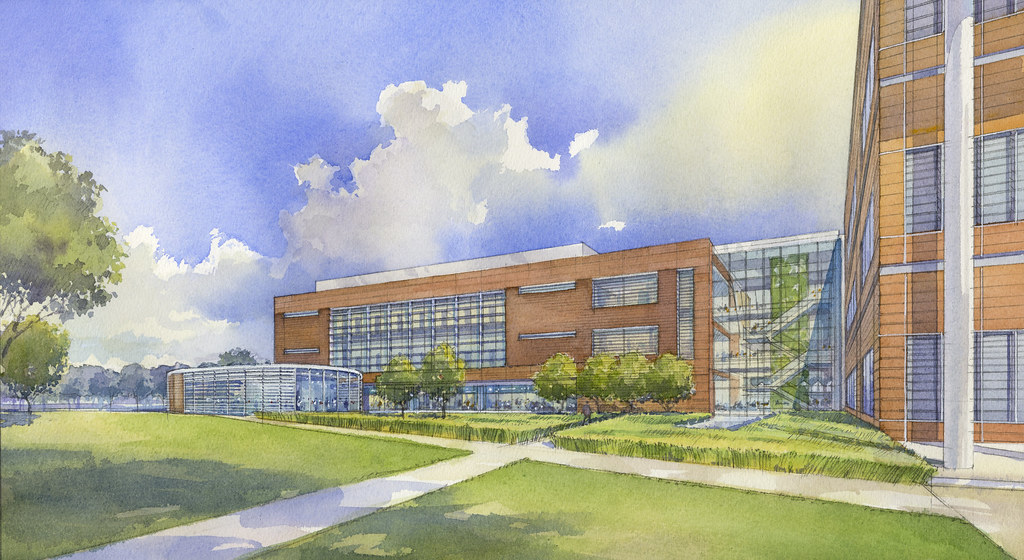
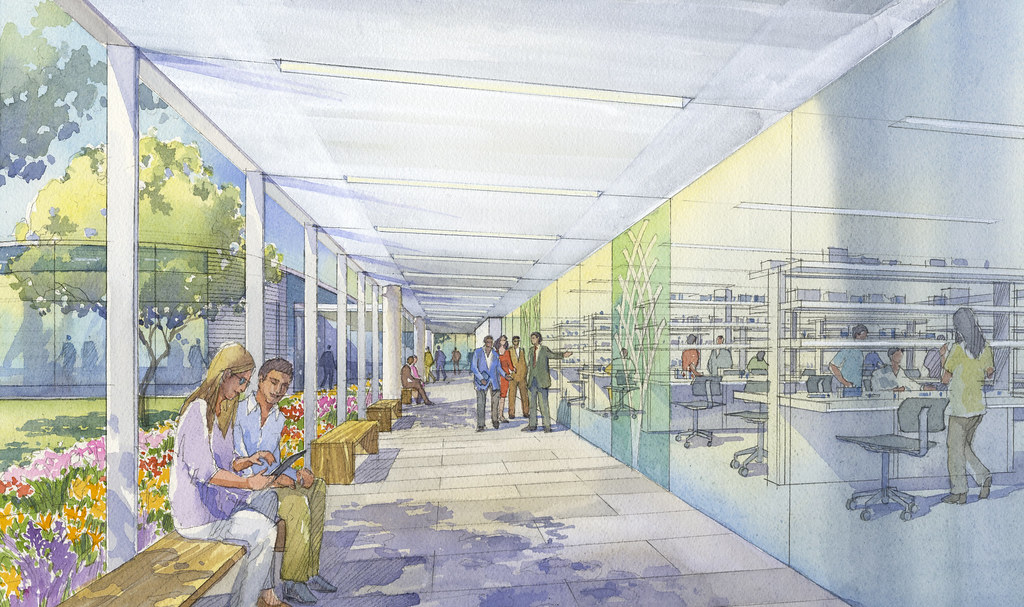
In short, it’s where St. Louis succeeds as a city. And it’s growing, led by a boom in life-science research and health care. As elsewhere, St. Louis is benefiting from the changing perception that cities are good places to live.
The 2010 census shows that the corridor’s population approached 60,000, an increase of more than 10 percent since 2000.
From busy downtown Clayton, the march to the Arch of institutions and neighborhoods includes the Moorlands, Claverach Park, Fontbonne University, the Delmar Loop, Parkview, Washington University, Forest Park, the BJC medical complex, Cortex, the Central West End, St. Louis University, Grand Center, Midtown Alley and downtown St. Louis, part of which had a triple-digit growth rate from 2000 to 2010.
Sarah Coffin, associate professor of public policy studies at SLU, and other urban experts said the corridor’s growing vitality will continue to attract new residents who prefer to walk more and drive less.
“People’s tastes are changing about how they want to live and where they want to live,” Coffin said.
She and others said the presence of Ikea, which plans to open a store at Forest Park and Vandeventer avenues in 2015, will show that the corridor can lure a retail heavyweight.
“Ikea will change the tenor of the entire area,” Coffin said. “Before Ikea, (city officials) would say yes to any developer for almost anything. Now they can ask developers for streetscape improvements and other amenities. We used to be happy to have table scraps.”
Zack Boyers, chief executive of St. Louis-based U.S. Bancorp Community Development Corp., said the corridor’s future is bright because its anchor institutions are investing in themselves. A result is a “virtuous cycle” of more residents, workers, commercial activity and investment, he said.
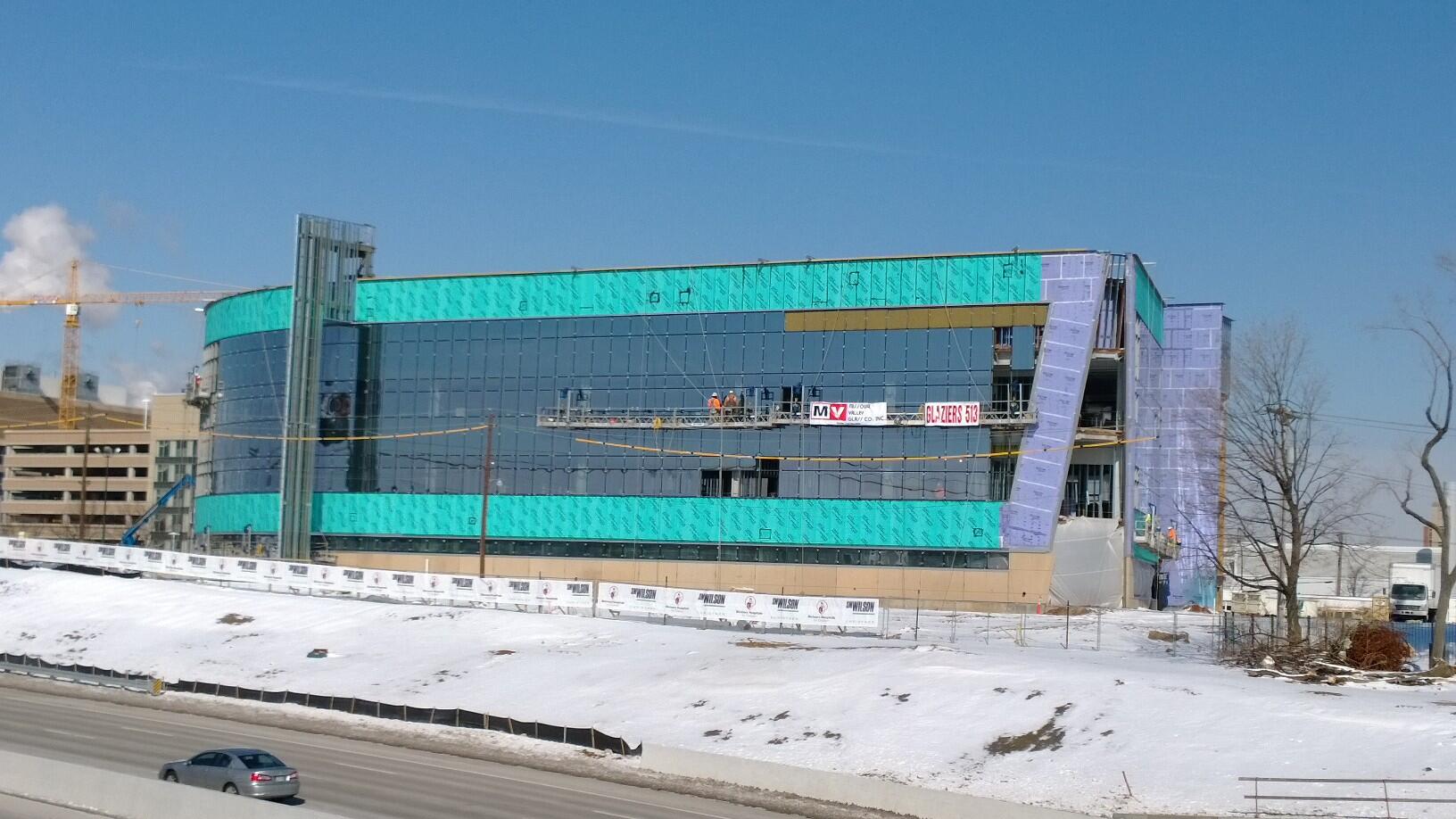
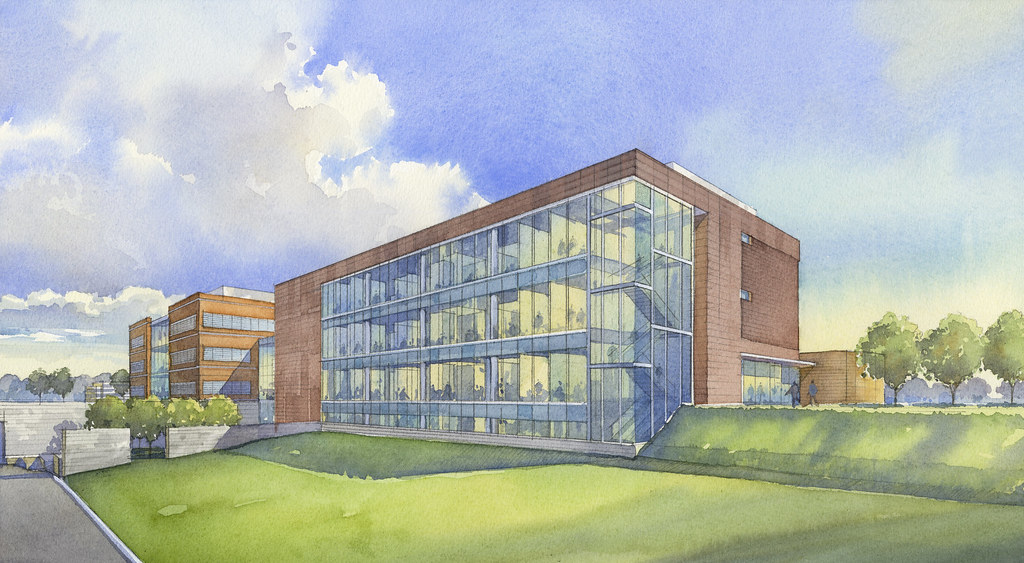
For example, Cambridge Innovation Center, a leading business incubator, decided last year to establish a startup facility at the Cortex life sciences district, Boyers noted. The facility will be CIC’s first expansion from its home in Cambridge, Mass.
“Cambridge Innovation Center spent a lot of time looking all over the world where to open,” he said. “It looked at London, New York and San Diego but picked Cortex because of the support of the area’s anchors.”
Read More (Pull of Transit, Terrific Buildings, Spreading Growth)





 Prev
Prev




















 Linear Mode
