Quote:
Originally Posted by electricron

I guess those TGV and ICE trains weren't all that great a choice after all. 
It's nice to discuss the study after someone has actually read it.
Since it's going to cost a fortune building a brand new electric powered I-70 Corridor, let's save a few bucks on the I-25 Corridor. I still prefer the Tilting 110 mpg Talgo train for the following reason. It's FRA compliant. Meaning it can run on tracks with active freight business.
If Colorado built the freight bypass line as proposed, there will still be freight trains servicing industries along the existing rail corridor. The bypass rail line would only displace "through" freights from the passenger train line of choice. The Eurostar and Maglev trains aren't FRA compliant, so both of these trains would require completely separated tracks from the existing freight tracks. The Maglev would need that anyways, because it wouldn't use rails at all, but so would the Eurostar.
My other choice, for both routes to keep it simple, is use the 150 mph, tilting Acela trains Amtrak uses on the NE Corridor.
Costs will be more predictable, and they are FRA compliant. No need to run grade separations between Passenger and Freight tracks in the same ROW.  |
The 150mph tilting Acela trains are an interesting option for the I-25 corridor. This corridor will be connecting two existing AmTrak lines together, between Trinidad (SW Chief) and the one through Denver (california Zephyr). In fact, this line might be eligible for up to 80% government funding as a system complimenting AmTrak.
Now I doubt AmTrak will be electrifying either of those routes into Colorado any time soon, but there is still compatibility here. Acela trains are already compatible for existing AmTrak Stations, making for easier integration at transfer stations. Also, as you said, they are FRA compliant, meaning they can utilize the maximum amount of existing tracks as possible, and not be dependent on the CDOT relocating freight out east. That could save costs dramatically and allow this to move forward prior to freight relocation. As passenger service grows, there will be more pressure on the CDOT to stop putting this relocation off and get the freight bypass built--using separate funding sources.
Anyway, I need a more detailed report, before I can make my final decision on which technologies I would choose for each corridor. I think thinning the choices down simular to what I suggested is a good start. Next, we will need more detailed cost analysis and ideas for funding sources and their potential funding capacities which they might generate for this project.
The Acela idea, I like a lot. I am sure the 150mph (tilting) Eurostar train they are considering will be a finalist. I think once it selected as a final alternative, they will include the Acela type train as an FRA compliant version of this option.





 Prev
Prev


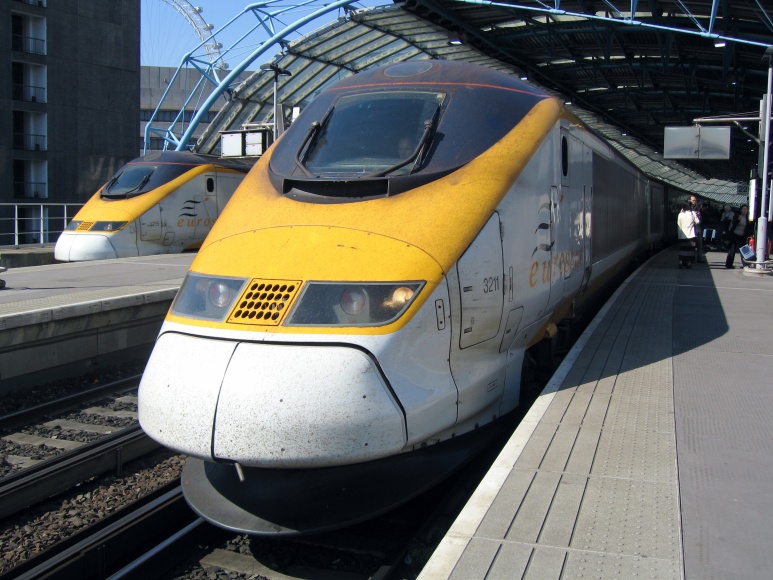


 (I was bored)


 Linear Mode
