Quote:
Originally Posted by streetscaper

I would also say NYC's core, Manhattan, being an island (and, more generally, metro NYC being built over a series of islands) means it falls into the unforgiving topography category. Had to be bridged and tunnel'd dozens of times over to stitch everything together, but it certainly makes for a dramatic cityscape.
|
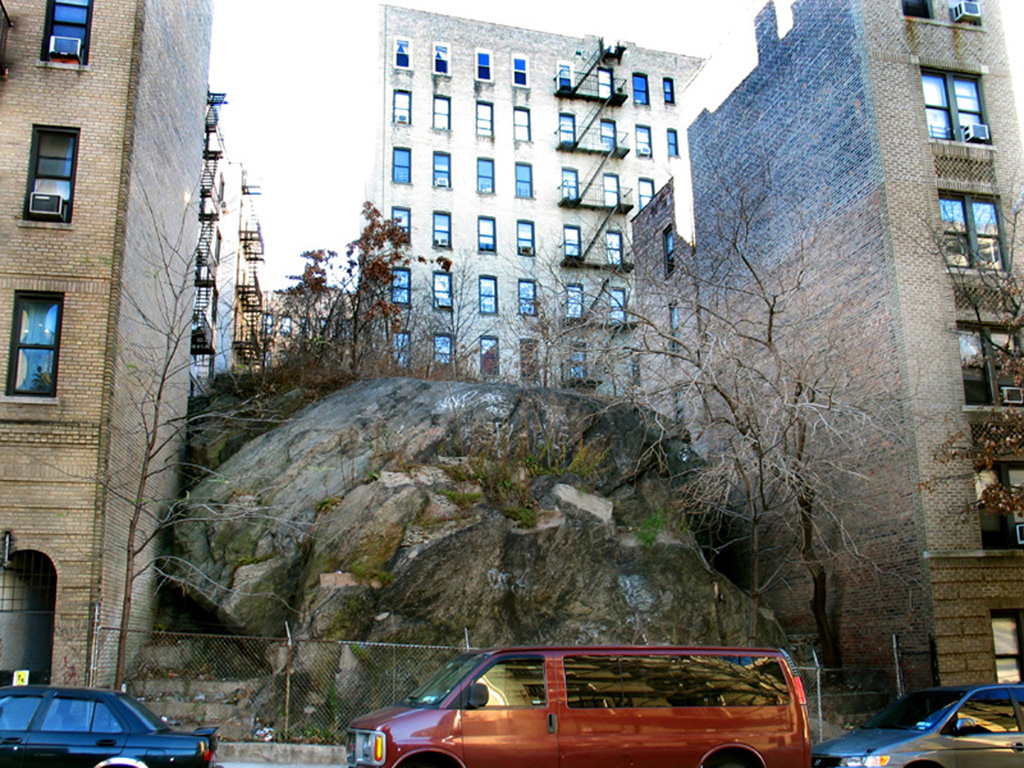
One thing I found dramatic when I when I visited was how geography dictated the urban realm so much. Being on an island meant building had to head upwards at some stage, when running out of space, and bridged at every available point, then filled with jetties and quays. Plus the fact the island was striated with granite (at lower Manhattan and Midtown) meaning going higher could more easily be built upon, hence a greater density of highrises in separated places, and historic too. Other places that had similar demands could not so easily build as such back in the day.
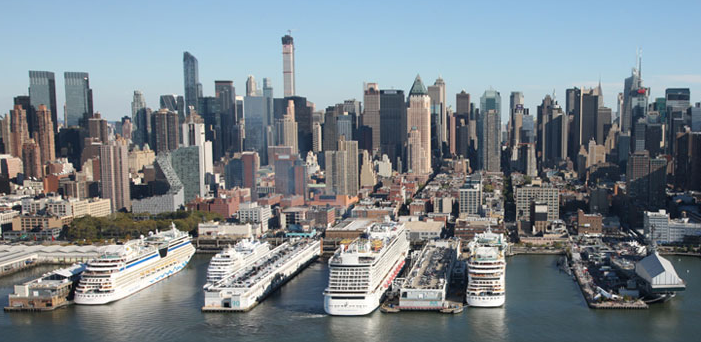
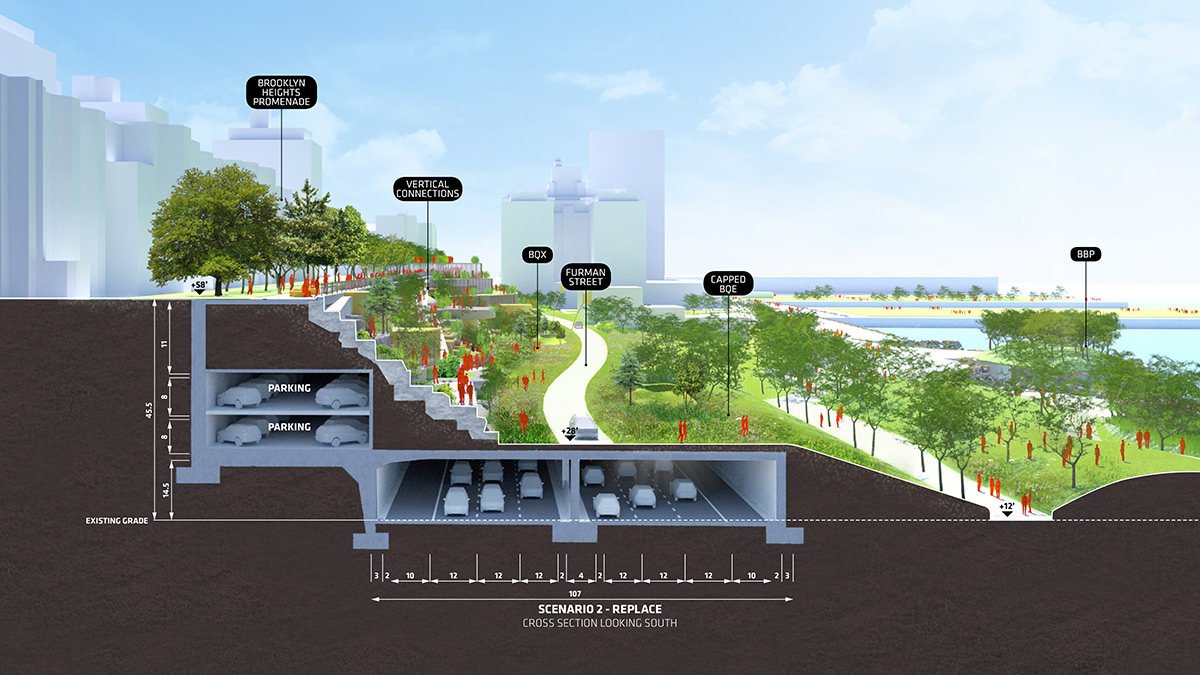
What the Brooklyn -Queens Expressway could become:
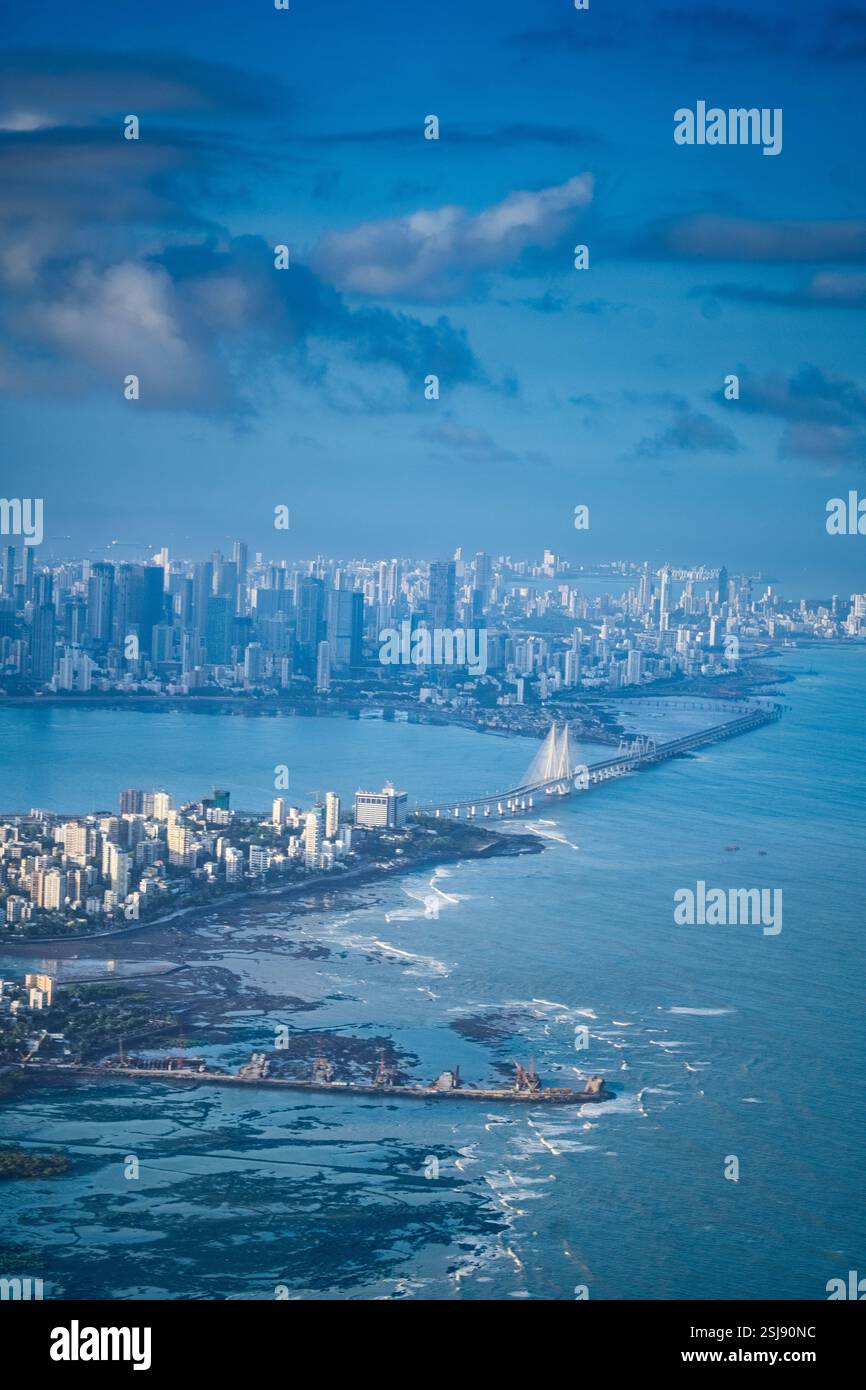
Other rocky 'islands' easy to highrise on, without deep foundations, are Hong Kong, Mumbai and the Yuzhong Peninsular in Chongqing, but their skyscraper fever only came in the late 20th/ 21st Century.
The NYC islands also added drama - the placing of the Statue of Liberty being the most iconic.
Finally the fact the Hudson Valley is a fjord, with rocky hillsides on either side when you headed north within the city, and upstate. I feel NYC still has a wonderful opportunity to build on all of this. It's rare that a city in this day and age has still such major features to exploit, if ever the economics will allow it.
1. The islands becoming unique attractions or parks, each with their own character.
2. The granite hillsides attracting dramatic housing and building (rather than a shelf for a highway)
3. The numerous unused wharfs reborn as waterside regenerations, once again each with their own character. The 'coastline' is made much, much bigger than similar cities, and compacted into walkable distances. There are already famous wharfs where this reinvention has come to fruiion, but imagine if all of them followed suit.
In short, what can be a restriction in a city can become a highlight, and NYC is a good example. However, it can still go further (which is a good thing, it's not reached it's potential yet)
Other good examples include some of the most celebrated of cities, despite their problematic siting - Hong Kong, Venice, San Francisco, Rome, Chongqing, Wuhan, Constantine (Algeria), Istanbul, Amsterdam, Singapore, St Petersburg, Sydney, Edinburgh, Rio, Barcelona.
And soon to come, Mumbai, which is currently a fever dream/ nightmare for an urban planner:
[/img]

Another US city I've heard is even more dramatically sited is Pittsburgh.





 Prev
Prev



.png)
.png)
.png)
.png)


.png)
.png)




 Linear Mode
