Quote:
Originally Posted by peanut gallery

What an amazing transformation. Since this is in the general area of the Three Gorges Dam, could some of this growth be directly related to the relocation of the cities that were in the flood zone? In other words, was Chongqing one of the primary destinations for those who had to move?
|
I believe it is one of the destinations, however that's just a drop in the bucket.
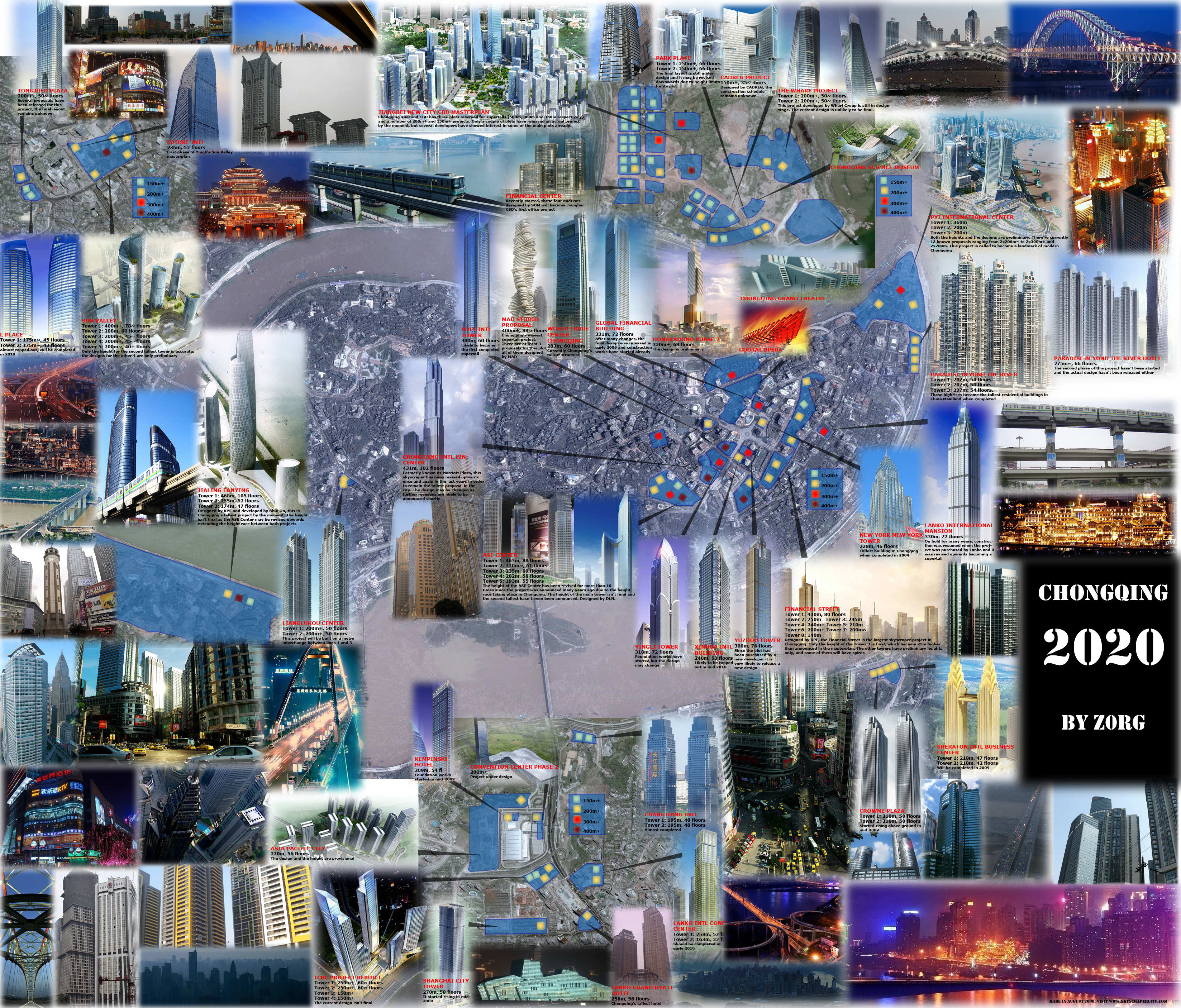
The growth of cities in China is directly the result of urbanization associated with economic development, not population growth per se. It's essentially the same force that led to the explosive population growth of Western cities at points during and after the Industrial Revolution. Some estimates put China's need for new skyscrapers to house this explosion of urban population to be as high as 50,000 new skyscrapers in 20 years - that's like 10 new New York Cities and Chicagos combined, and personally I think that number could end up being conservative, depending on where you set the bar for skyscrapers since urban Chinese already live in highrises at higher rates than even Chicago and New Yorkers do.
The urbanization rate in the U.S. is about 75% - that is 75% of people live in cities or suburbs and 25% live in rural areas. In China currently, those figures are nearly reversed - only about 45% live in urbanized areas. Current projections estimate that by 2035 70% of China will live in urban areas, which would amount to just over 1 billion people living in China's cities. Currently just over 1/2 billion people live in urban areas in China, so we're looking at the average of China's cities essentially doubling in size in just 25 years. Some cities there will grow faster than others, and I would expect Sichuan's cities (of which Chongqing is one) to grow faster than average since Sichuan's urbanization is currently only 36% according to the Sichuan government. Chongqing is already part of the densest part of Sichuan, one of the four biggest urban areas in China, and it will only continue to grow.





 Prev
Prev










 Linear Mode
