Quote:
Originally Posted by Nouvellecosse

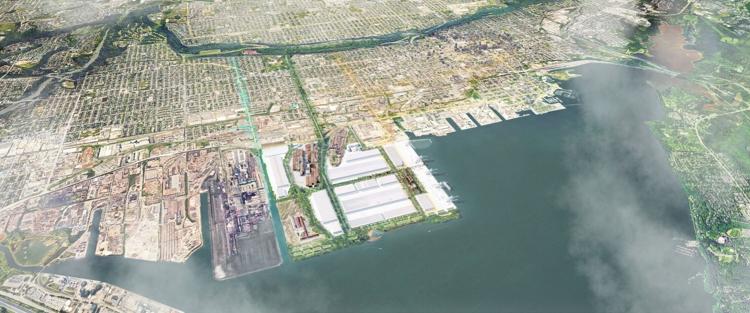
With the Hamilton steel site, a lot of toxic land remediation can be done with certain plants that draw toxins out of the soil up through their root systems allowing the plants to be harvested and disposed of safely. Not sure of those specific toxins but such advances can make it less expensive than in prior years. The revenue could be partly as the entry fee as a cool urban park. The render shows a variety of attractions like wall climbing and an observation platform. As a comparison, the regular adult admission price for the Montreal Botanical Garden is just under $25, so I don't see why this type of garden couldn't also attract visitors at that price. And then any additional revenue from vendors within. If the botanical garden can sustain itself at that revenue level and it's pretty large as well, then this might work out.
|
I work in the environmental industry - phytoremediation practices like the ones you are describing may be well researched academically, but they are extremely rarely used in practice. I have personally never seen or heard of it being used in Ontario or even Canada. The issue is that it is not practical when you are planning to do something with the site afterward, mainly because developers have timelines and want guarantees. A remediation program dependent on putting plants in the ground, ensuring they take, making sure they have enough water, waiting for them to grow, and then sampling the soil to determine if your program actually worked or not simply doesn't offer any guarantee that the soil is actually cleaned up to the appropriate standards, and would take way too long.
A site like this is very large, complicated, and the remediation program will likely find a little bit of pretty much everything you would typically run analysis for. It is going to be an expensive remediation and there isn't much way around just removing the contaminated soils. Given that portions of the site are on the water, there is a good chunk of the site that will be held to some of our most stringent environmental standards. Even some highly specialized remediation techniques like in-situ groundwater injection/treatment/recirculation don't always offer a guarantee that anything will actually improve. I have seen some cases where contamination that is deep and difficult to remove has been capped with geosynthetic fabric to contain it. Fortunately these days, though, there is now technology that allows the treatment of contaminated soil, where it can be improved enough to a point where it can be brought back and backfilled in again, which saves a ton of money and avoids just sending it all to the landfill. Sometimes this can even be done on the property itself with a mobile treatment plant, which saves even more money.
What will happen all depends on what they find and how much money the developer has to get this property cleaned up.





 Prev
Prev


















 Hybrid Mode