HomeDiagramsDatabaseMapsForum About
     

Go Back   SkyscraperPage Forum > Regional Sections > Canada


Reply

 
Thread Tools Display Modes


  #1  
Old Posted May 18, 2012, 6:59 PM
Metro-One's Avatar
Metro-One Metro-One is online now
Registered User
 
Join Date: Sep 2008
Location: Japan
Posts: 17,804
I always find the smaller cities very interesting.
__________________
Bridging the Gap
Check out my Flickr: https://www.flickr.com/photos/306346...h/29495547810/ and Youtube channel https://www.youtube.com/channel/UCV0...lhxXFxuAey_q6Q
Reply With Quote
     
     
  #2  
Old Posted May 18, 2012, 7:00 PM
Metro-One's Avatar
Metro-One Metro-One is online now
Registered User
 
Join Date: Sep 2008
Location: Japan
Posts: 17,804
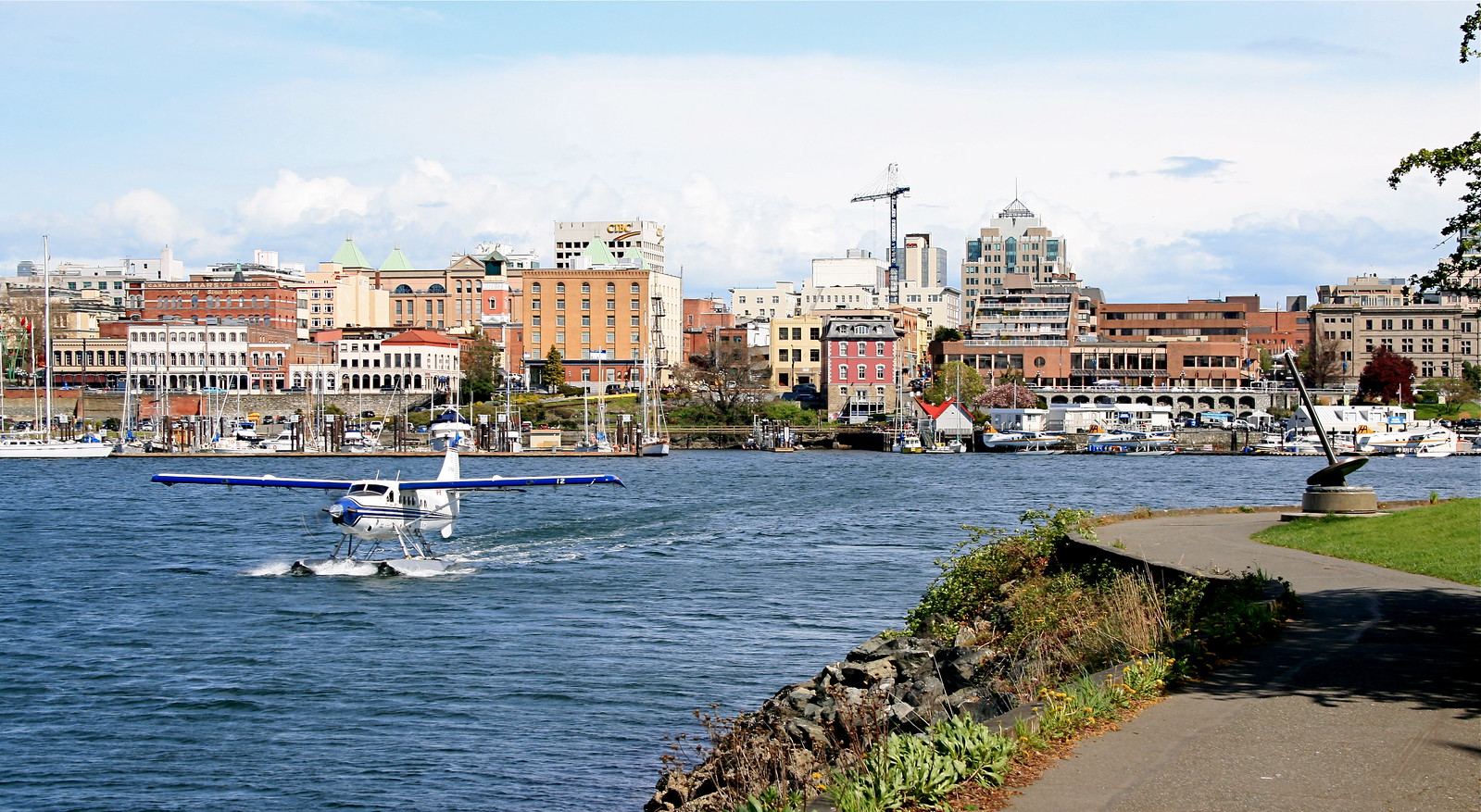
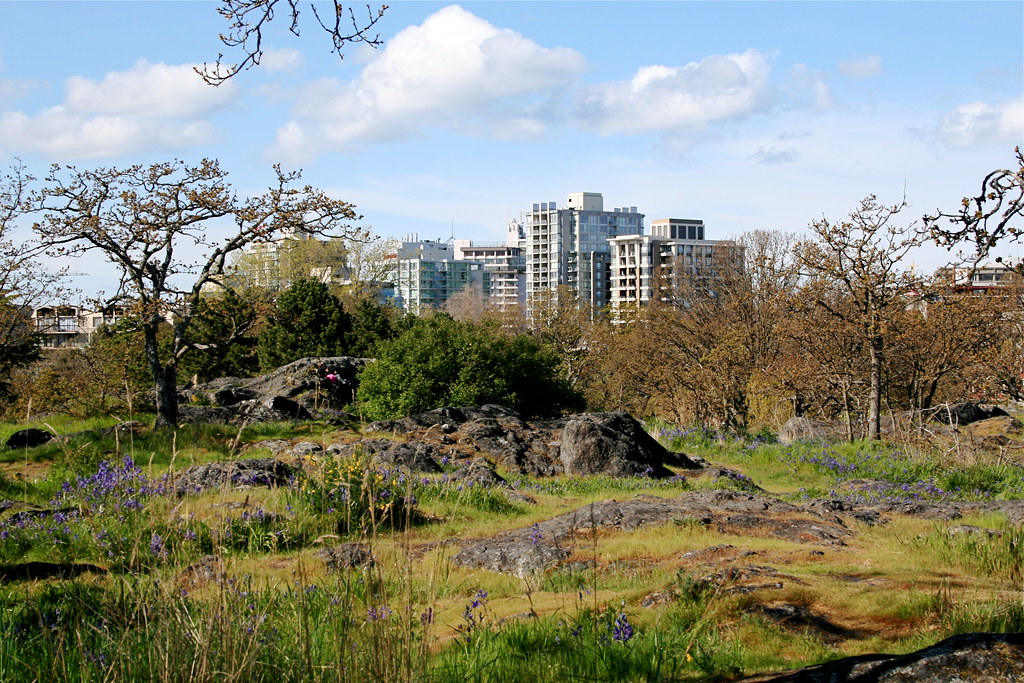
Here are some pics I took of the Victoria skyline last month (April)


Pics are my own

http://www.flickr.com/photos/30634635@N03/page2/
__________________
Bridging the Gap
Check out my Flickr: https://www.flickr.com/photos/306346...h/29495547810/ and Youtube channel https://www.youtube.com/channel/UCV0...lhxXFxuAey_q6Q
Reply With Quote
     
     
  #3  
Old Posted Apr 15, 2013, 11:23 AM
jodelli's Avatar
jodelli jodelli is offline
Registered User
 
Join Date: Jan 2008
Location: Windsor, ON
Posts: 1,277
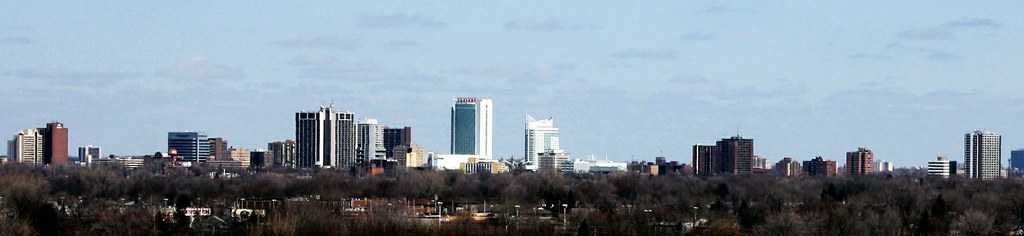
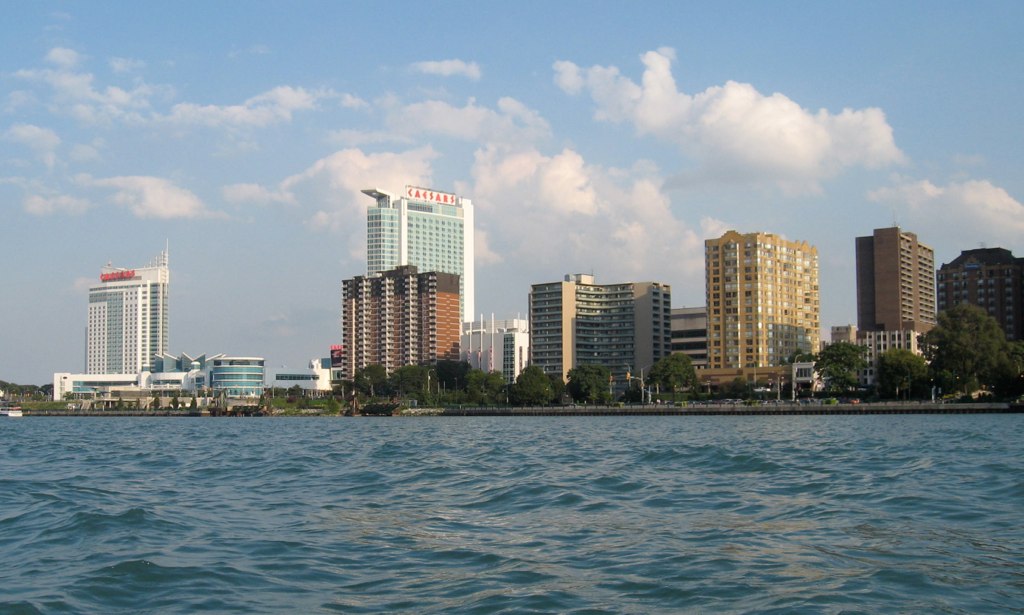
Windsor

A few buildings are missing

because it was cropped from this one:


__________________
No NIMBYs
Reply With Quote
     
     
  #4  
Old Posted May 18, 2012, 7:14 PM
someone123's Avatar
someone123 someone123 is offline
hähnchenbrüstfiletstüc
 
Join Date: Nov 2001
Location: Vancouver
Posts: 35,301
These are probably good enough to be cross-posted:

Quote:
Originally Posted by someone123 View Post
Halifax skyline shots from the Shipfax blog (which is focused on ships but sometimes has great city photos too):


Source


Source
Reply With Quote
     
     
  #5  
Old Posted May 21, 2012, 9:23 PM
SekishikiMeikaiHa's Avatar
SekishikiMeikaiHa SekishikiMeikaiHa is offline
積屍氣冥界波
 
Join Date: Jan 2012
Location: Dartmouth, NS
Posts: 405
Burlington

__________________
積屍氣冥界波
Reply With Quote
     
     
  #6  
Old Posted May 22, 2012, 3:52 PM
MolsonExport's Avatar
MolsonExport MolsonExport is offline
Pass me the Vomit Bag.
 
Join Date: Oct 2003
Location: Otisburgh
Posts: 50,876
Beautiful pylon.
__________________
The whole problem with the world is that fools and fanatics are always so certain of themselves, and wiser people so full of doubts. (Bertrand Russell). Sweet Loretta fart thought she was a cleaner, but she was a frying pan. (John Lennon)
Reply With Quote
     
     
  #7  
Old Posted May 22, 2012, 3:58 PM
flar's Avatar
flar flar is offline
..........
 
Join Date: Jan 2006
Location: Southwestern Ontario
Posts: 15,677
Such a shame those ugly powerlines run right along the beach between Hamilton and Burlington. It's actually quite a nice sandy beach otherwise.
__________________
RECENT PHOTOS:
TORONTOSAN FRANCISCO ROCHESTER, NYHAMILTONGODERICH, ON WHEATLEY, ONCOBOURG, ONLAS VEGASLOS ANGELES
Reply With Quote
     
     
  #8  
Old Posted May 31, 2012, 2:32 AM
bolognium's Avatar
bolognium bolognium is offline
bro
 
Join Date: Jun 2010
Location: London, ON
Posts: 578
Smile

Amazing Halifax pictures. I'm happy you decided to post them here since I missed them when they were originally posted. St.John's, Victoria, Regina and Saint John are also looking tops.

And it's great to see construction happening in most of the pictures.

Here's the ass-end of downtown London:

Reply With Quote
     
     
  #9  
Old Posted May 31, 2012, 3:18 AM
haljackey's Avatar
haljackey haljackey is offline
User Registered
 
Join Date: Apr 2010
Location: London, Ontario
Posts: 3,421
...and the other end:


Via the City of London
__________________
My Twitter

My Simcity Stuff
Reply With Quote
     
     
  #10  
Old Posted Jun 5, 2012, 3:37 AM
someone123's Avatar
someone123 someone123 is offline
hähnchenbrüstfiletstüc
 
Join Date: Nov 2001
Location: Vancouver
Posts: 35,301
Aerial view of Halifax from the north:


Source
Reply With Quote
     
     
  #11  
Old Posted Jun 8, 2012, 9:18 AM
Dylan Leblanc's Avatar
Dylan Leblanc Dylan Leblanc is online now
Website Manager
 
Join Date: Dec 1999
Posts: 9,592
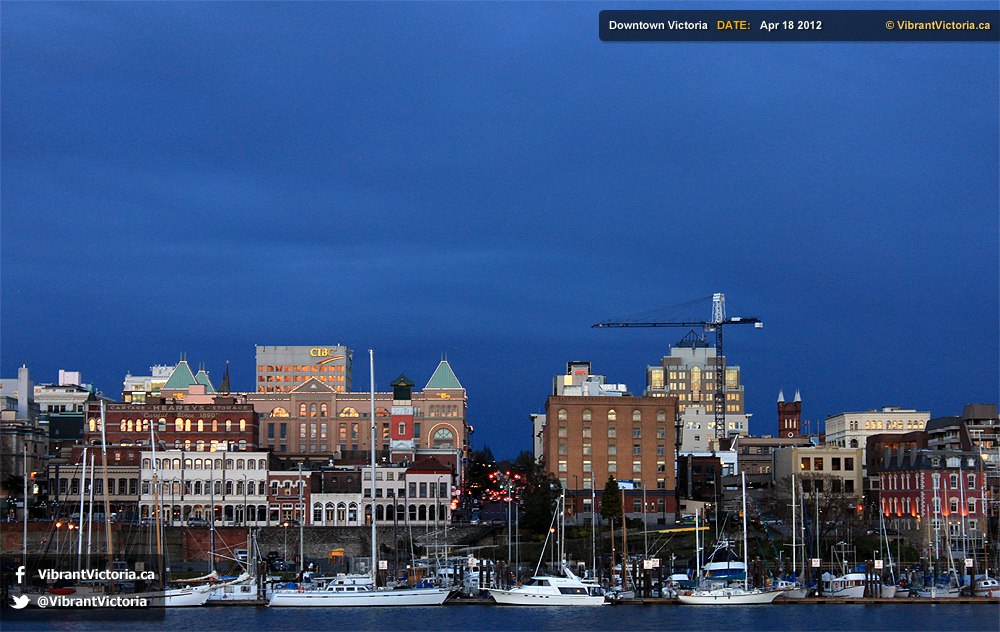
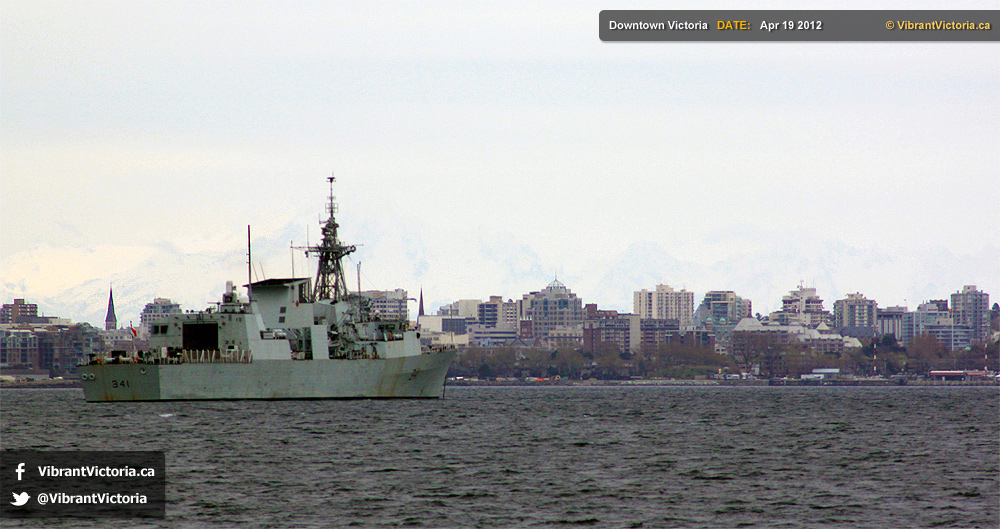
Victoria


Doug Clement Photography on Facebook

Taken from Vic West.


Taken from Metchosin.

Reply With Quote
     
     
  #12  
Old Posted Jun 18, 2012, 5:35 PM
lake of the nations's Avatar
lake of the nations lake of the nations is offline
Utilisateur enregistré
 
Join Date: Aug 2010
Location: Sherbrooke
Posts: 2,044
Sherbrooke


By sherbrooke2 at 2012-06-18
Reply With Quote
     
     
  #13  
Old Posted Jun 24, 2012, 3:46 PM
Beedok Beedok is offline
Exiled Hamiltonian Gal
 
Join Date: Jun 2012
Posts: 6,829
Some of these little cities are impressive. Hamilton seems in danger of being passed by more than a few of these.
Reply With Quote
     
     
  #14  
Old Posted Jun 24, 2012, 4:58 PM
bolognium's Avatar
bolognium bolognium is offline
bro
 
Join Date: Jun 2010
Location: London, ON
Posts: 578
Smile

Reply With Quote
     
     
  #15  
Old Posted Jun 24, 2012, 5:03 PM
Hybrid247 Hybrid247 is offline
Registered User
 
Join Date: Oct 2009
Posts: 1,312
It would be awesome to have a city of around 1 million in Atlantic Canada, but I can't help but wonder if Halifax would be much bigger than it is today if it weren't for the big explosion.
Reply With Quote
     
     
  #16  
Old Posted Aug 9, 2012, 7:24 AM
Phil McAvity Phil McAvity is offline
BANNED
 
Join Date: Nov 2006
Location: Victoria
Posts: 3,622
Quote:
Originally Posted by Hybrid247 View Post
It would be awesome to have a city of around 1 million in Atlantic Canada, but I can't help but wonder if Halifax would be much bigger than it is today if it weren't for the big explosion.
That's a good question so let's do the math.

When the Halifax explosion occurred in 1917 it killed about 2000 people. At that time Halifax's population was about 90,000 people which means it erased a little over 2% of the population which means today those people would add about 8000 people to Halifax's current population of 390,000 people which we can probably agree, isn't a significant difference.
Reply With Quote
     
     
  #17  
Old Posted Aug 9, 2012, 7:02 PM
SJTOKO SJTOKO is offline
Registered User
 
Join Date: Mar 2007
Posts: 312
Quote:
Originally Posted by Phil McAvity View Post
That's a good question so let's do the math.

When the Halifax explosion occurred in 1917 it killed about 2000 people. At that time Halifax's population was about 90,000 people which means it erased a little over 2% of the population which means today those people would add about 8000 people to Halifax's current population of 390,000 people which we can probably agree, isn't a significant difference.

If it weren't for confederation and the Upper Canada policy Halifax would be much bigger. All of the financial institutions and major industries were moved to the center of the country. The Maritime provinces are the only provinces that resemble US States. When we stopped trading with New York and Boston things went downhill. Oh well; When Quebec eventually seperates, we will join New England once again. The Maritime provinces have nothing in common with the rest of Canada. We have far more in common with New England.
Reply With Quote
     
     
  #18  
Old Posted Aug 9, 2012, 11:57 PM
RyeJay RyeJay is offline
BANNED
 
Join Date: Apr 2011
Posts: 3,086
Quote:
Originally Posted by SJTOKO View Post
If it weren't for confederation and the Upper Canada policy Halifax would be much bigger. All of the financial institutions and major industries were moved to the center of the country. The Maritime provinces are the only provinces that resemble US States. When we stopped trading with New York and Boston things went downhill. Oh well; When Quebec eventually seperates, we will join New England once again. The Maritime provinces have nothing in common with the rest of Canada. We have far more in common with New England.
?...

Being from the Maritimes, I must say that institutions and industries didn't "move" to the center of the country; they were never developed in the Maritimes to begin with.

This is an issue of severe finiteness of land and resources, concurrent with a dependency on land-based travels between the Maritimer cities.

Central Canadian cities have always been connected along the St. Lawrence. This combined with a massive backdrop of land, freshwater, and resources made Central Canada grow much more quickly than the Maritimes, even though colonisation began first on the Atlantic coast.

And your opinion of the Maritime provinces being the only provinces that resemble U.S. states is total bull, in my opinion. Just like the American Atlantic Seaboard, Central Canadian cities, as I've mentioned, are connected via water passage.

America was birthed by an ocean; Canada was birthed by a river.
Reply With Quote
     
     
  #19  
Old Posted Aug 10, 2012, 12:45 AM
SJTOKO SJTOKO is offline
Registered User
 
Join Date: Mar 2007
Posts: 312
Quote:
Originally Posted by RyeJay View Post
?...

Being from the Maritimes, I must say that institutions and industries didn't "move" to the center of the country; they were never developed in the Maritimes to begin with.

This is an issue of severe finiteness of land and resources, concurrent with a dependency on land-based travels between the Maritimer cities.

Central Canadian cities have always been connected along the St. Lawrence. This combined with a massive backdrop of land, freshwater, and resources made Central Canada grow much more quickly than the Maritimes, even though colonisation began first on the Atlantic coast.

And your opinion of the Maritime provinces being the only provinces that resemble U.S. states is total bull, in my opinion. Just like the American Atlantic Seaboard, Central Canadian cities, as I've mentioned, are connected via water passage.

America was birthed by an ocean; Canada was birthed by a river.
Ridiculous tripe.

The University of New Brunswick is the oldest in Canada. When I walk around my hometown (Saint John) all I see is Canadian firsts. First Police Force, First Law school, First YMCA, first bank. It's the oldest incorporated Canadian city and the third oldest overall, St. John's being the oldest. Anyway, here's an essay for you to read. Perhaps you might learn something.

A sketch of Maritime economic history
by Fred McMahon

--------------------------------------------------------------------------------

06/1999
The Halifax Chronicle Herald


A century ago, the Maritime Provinces - not Ontario and Quebec - were the industrial heartland of Canada, the young nation's economic dynamo.

Many historians claim Confederation's trade barriers devastated the Maritime economy, and there's some truth in that. Yet, the Maritimes' great prosperity and worldwide trading links were almost certainly destined for ruin anyway, as was Halifax's status as a world-class trading centre.

The Maritime economy late in the last century was not a one dimensional affair, built on cheap lumber and a crude means of shipbuilding, as many still think. Nor was it hobbled by a conservative business clique unable to adjust to changes in shipbuilding materials and techniques.

Instead, Maritime business leaders had created broad-based economic dynamo. The region was home to little more than a sixth of Canada's population, but it boasted a quarter of the nation's manufacturing enterprises, including both of Canada's steel mills, six of 12 rolling mills, eight of 23 cotton mills, three of five sugar refineries, two of seven rope factors, and one of three glass works.


Halifax, a little more than a century after its founding, had been transformed from an isolated military garrison into one of the most dynamic trading centres in North America. Where ever traders gather, they need a sophisticated financial infrastructure - letters of credit, money changing, financing, deposit taking and so on.
All this could be done with ease in Halifax's busy downtown. By the turn of the century Halifax was home to more than a dozen banks, including the forerunners of two of Canada's "big-five" financial institutions, the Bank of Nova Scotia and the Royal Bank. Yet, within a generation or two, the Maritimes Provinces would be on their way to economic ruin.

The region's economy had a hairline fracture running through it. Everything depended on trade. The relative scarcity of agricultural land deprived the Maritimes of the hinterland needed for a strong domestic market. Maritime industrial activity vastly exceeded the size of its population, and could only be maintained through trade. That was a fatal flaw.

John A. Macdonald's national policy threw up trade barriers around Canada. The idea was to liberate the new nation from U.S. economic dominance and create a domestic industrial base. The Maritimes already had an industrial base. All the national policy did was cut the region off from rich foreign markets, particularly New England. That was probably inevitable anyway.

U. S. protectionism would almost certainly have done the same thing in the end, not that it mattered. Transportation costs were such that domestic suppliers in New England and other large external markets would have eventually replaced most Maritime goods.


That's more or less what happened with Maritime-Central Canadian trade. For the Maritimes, the National Policy turned short-term gain into long-term pain. In the beginning, Canada's new trade barriers created a Maritime economic boom. Maritime manufacturers suddenly had the Central Canadian market to themselves. Competition from U.S. manufacturers withered behind trade barriers. The Maritimes, as Canada's industrial heartland, flourished.

That was short-lived. Industry may have been located in the Maritimes, but the population base was a thousand miles away in Central Canada. That made no sense in an age when goods were heavier than today and transportation costs considerably higher.

Central Canadian interests began to buy out Maritime businesses. The businesses weren't immediately shut down, but investment was stifled. New plants were built where the market was concentrated - Central Canada.

U.S. businesses also wanted in on the Canadian market. Because of tariff barriers, they needed to build branch plants, and it made no sense to build them in the isolated Maritimes.

If all this wasn't bad enough, disaster hit in the 1920s. In four years, rail rates between the Maritimes and Central Canada more than doubled, and the Maritimes lost its one remaining large market.

The distinguished Maritime historian Ernest Forbes captured the impact best. "It was almost as though Maritime manufacturers had suddenly been pushed another 1,000 miles out to sea." With this, the Great Depression arrived a decade early in the Maritime Provinces.

The federal government was no help at all. The Maritimes did not have the financial resources to build the infrastructure required for the emerging economy, roads for automobiles and trucks. Ottawa's offer to cost-share infrastructure programs helped the rich provinces which could afford their share of the bill, but not the poorer provinces.

Sadly Maritime policy-makers have seldom realized the importance of infrastructure. When federal transfers to the region increased dramatically in the early 1970s and rich regional development programs were in their heyday, spending on infrastructure actually declined though economic research shows infrastructure spending to be more effective than anything else in creating economic growth.

Other problems, which still bedevil Maritime policy making, emerged in the early part of this century. Most damaging was the view of the economy as a negative sum game. Every existing job had to be protected because a job lost was a job lost forever. No new economic activity would ever create other jobs - a view that made sense in the 1920s after decades of regional decline.

Maritime policy-makers fought to keep every existing job. In 1924, subsidies began for the Cape Breton coal mines. Earlier, in 1908, legislation was passed to limit new technology in the Nova Scotia fisheries. The limits became progressively more restrictive. By 1939, only three mechanized trawlers operated in Nova Scotia, down from 10 a dozen years earlier.

Local interests built walls of their own. In the late 1920s, U.S. businesses had the exciting idea of turning Nova Scotia into the "Fish Pier of America," using new freezer technology and steam trawlers. A coalition of inshore fishermen, schooner owners and fish merchants stymied the plan.

Now, 250 years after Halifax was founded, the Maritimes confront a world in many ways similar to the pre-Confederation era. Trade barriers have fallen. Old markets are open again, and new markets are everywhere. Transportation costs have never been lower.

This old garrison town, and all of Nova Scotia and Atlantic Canada, face historic opportunities, provided we can leave behind the failed, patronage-ridden, projectionist policies of the past decades and develop a competitive, outward-looking economic base and attitude - as the region had in the 19th century - capable of capitalizing on this new world of economic potential

Reply With Quote
     
     
  #20  
Old Posted Jun 24, 2012, 5:40 PM
roccerfeller's Avatar
roccerfeller roccerfeller is offline
Registered User
 
Join Date: Jul 2010
Location: BC
Posts: 2,930
Great shots. Sometimes I wish these would be in the "main" skyline thread instead of this one to break up all the Toronto shots. Its wonderful to look at Toronto, but it gets boring after a while haha.
Reply With Quote
     
     
This discussion thread continues

Use the page links to the lower-right to go to the next page for additional posts
 
 
Reply

Go Back   SkyscraperPage Forum > Regional Sections > Canada
Forum Jump


Forum Jump


All times are GMT. The time now is 9:41 AM.

     
SkyscraperPage.com - Privacy Statement - Top

Powered by vBulletin® Version 3.8.7
Copyright ©2000 - 2026, vBulletin Solutions, Inc.