I’m a big fan of disaggregating into more than two groups of cities. Los Angeles certainly doesn’t belong in the same conversation or typology of urbanism as New York City, Boston, Philadelphia, San Francisco, etc., but it also doesn’t really belong in the same conversation as Houston, Dallas, or Atlanta.
Los Angeles boomed MUCH earlier than any of them, with its foray into major city status beginning in 1920 and unfolding until 1960. We all like to refer to Los Angeles as comparable to the
post-war boomburbs, but the reality is that its bones are built on the basis of one of the largest
interwar streetcar networks in the entire country. Interwar design principles fundamentally differ from their post-war counterparts, just as much as they differ from pre-war principles:
•
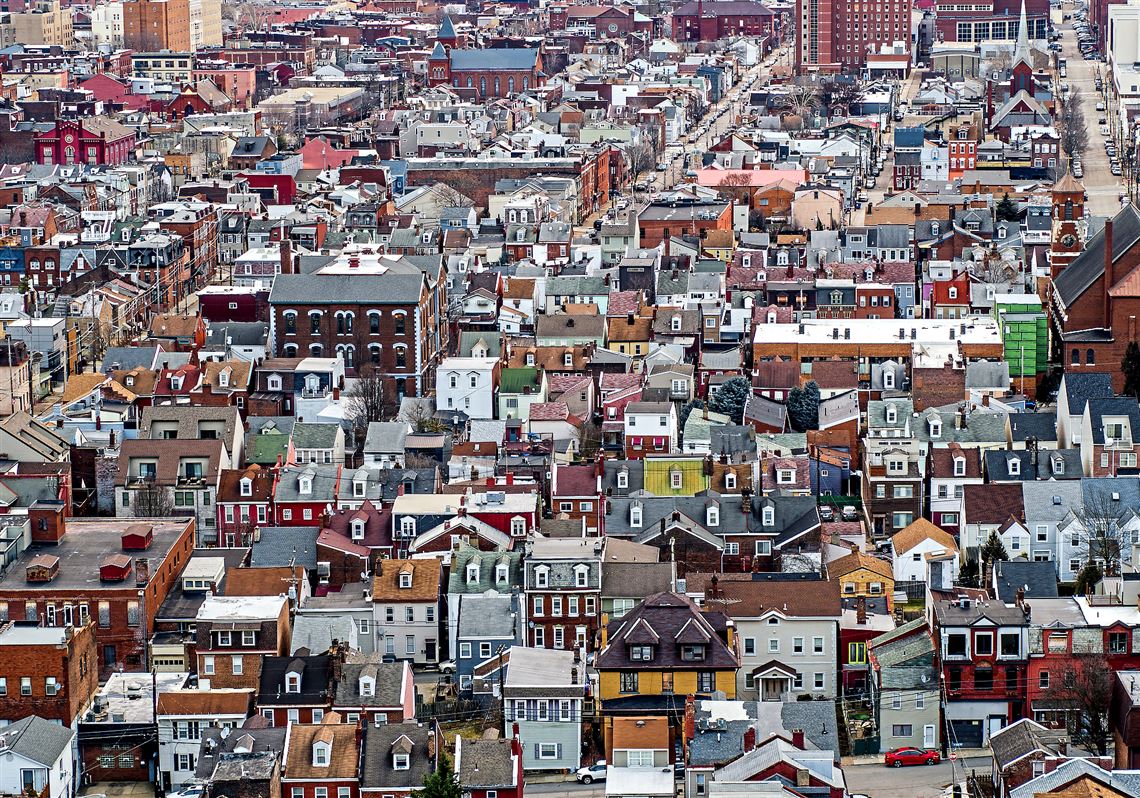
pre-war: largely attached or semi-attached single family dwellings and apartment blocks sometimes built with alleyways and on grids with people reliant on foot and transit for mobility;
•
interwar: largely detached, but narrowly spaced, single family homes and apartment blocks usually built with alleyways and on grids with people reliant on transit and vehicles for mobility;
•
post-war: largely detached and dispersed single family homes and apartment complexes rarely built with alleyways or grids with people reliant on only vehicles for mobility;
Los Angeles is prototypically an interwar city which built on those bones with even more post-war stuff as well, not some kind of monolithically post-war suburban hellscape like Houston.





 Prev
Prev








 Linear Mode
