Quote:
Originally Posted by MonkeyRonin

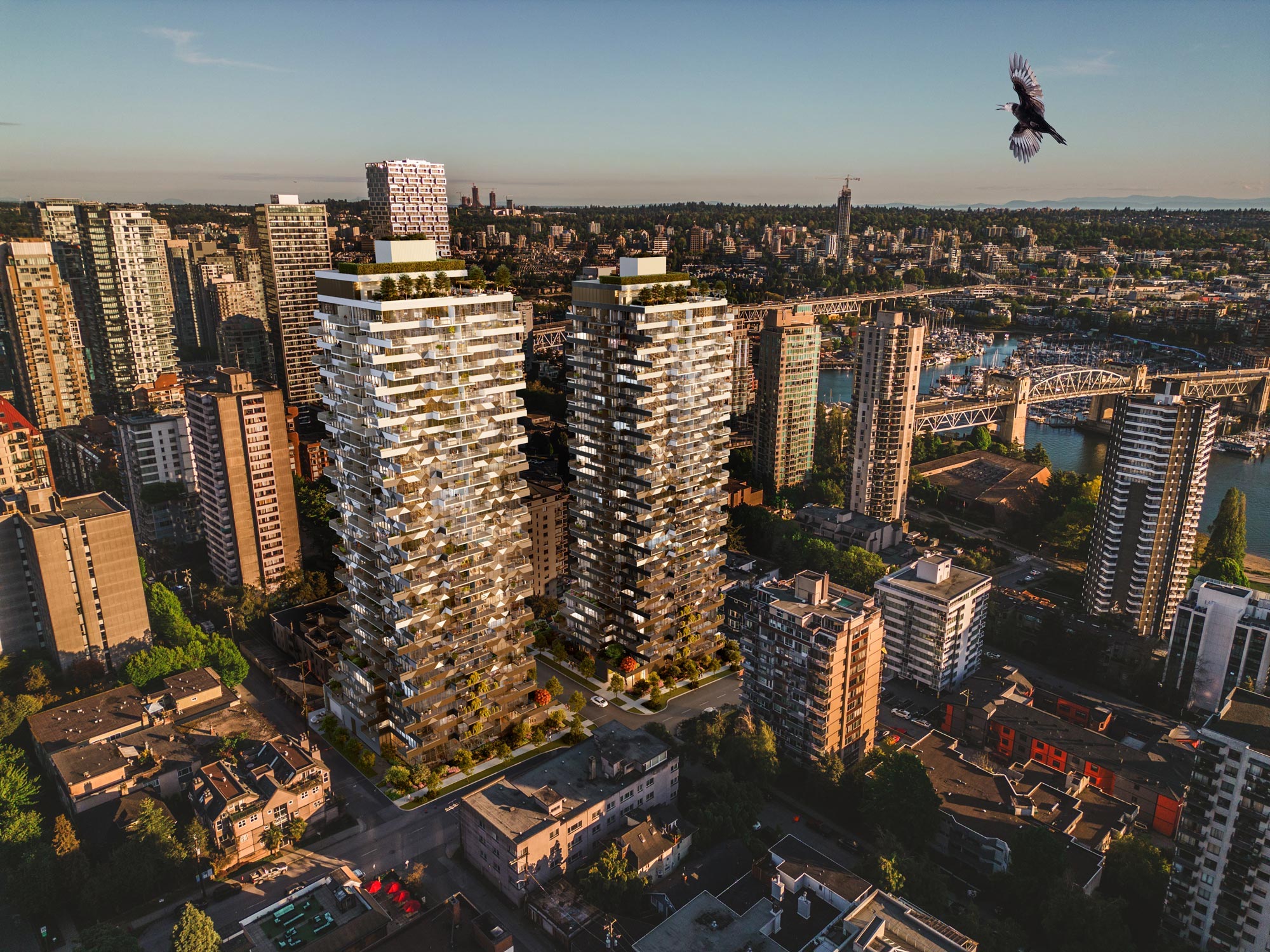
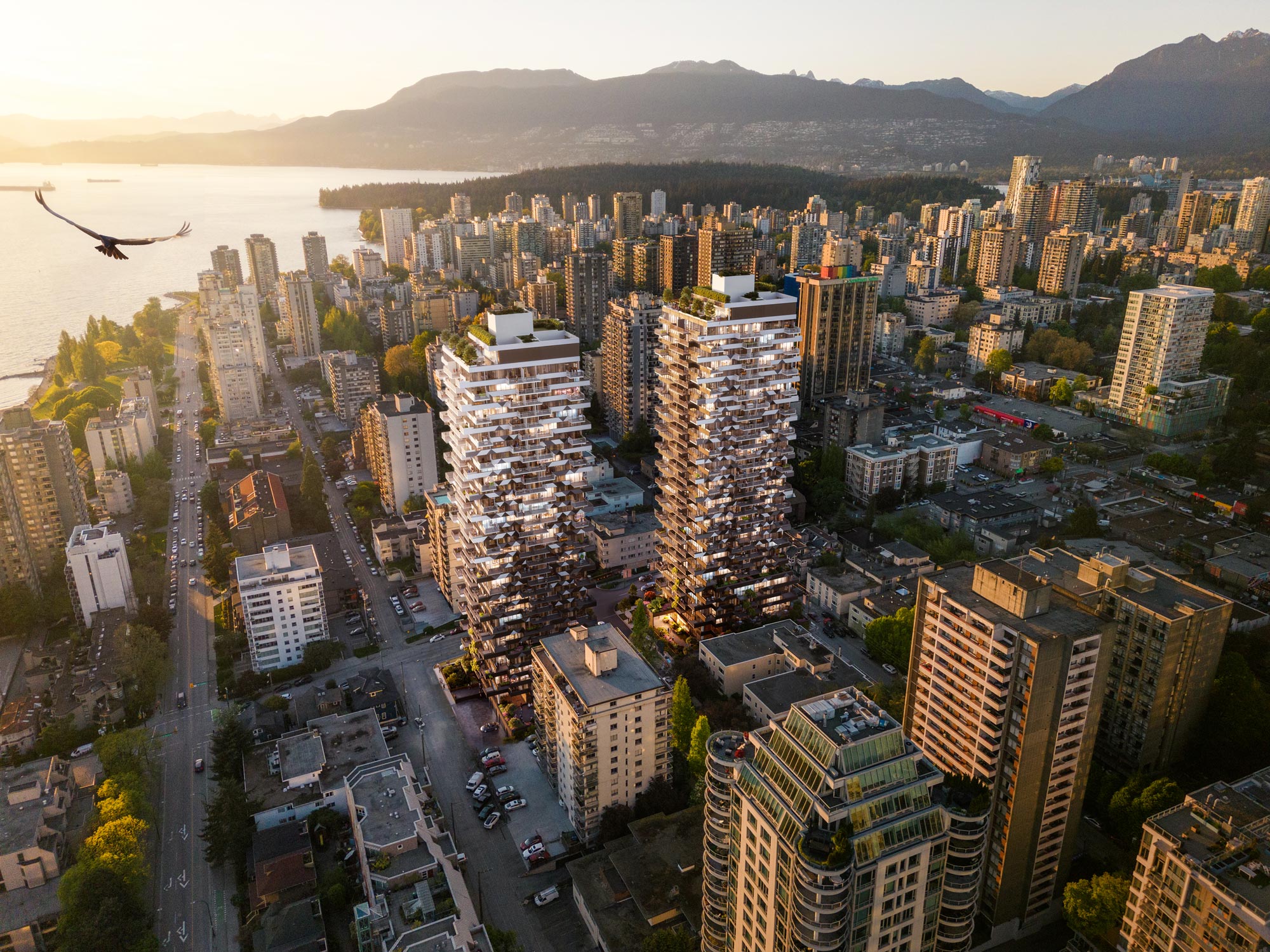
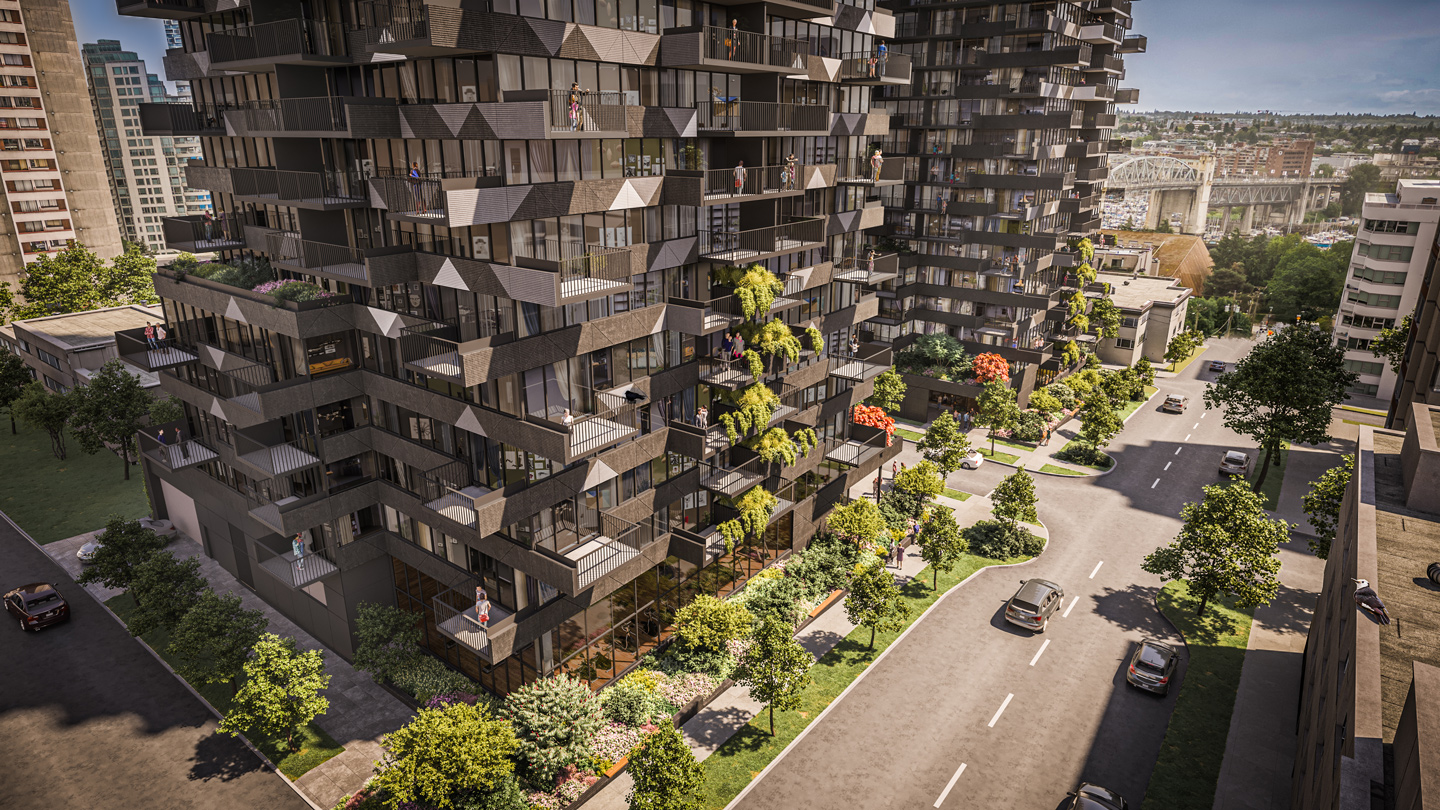
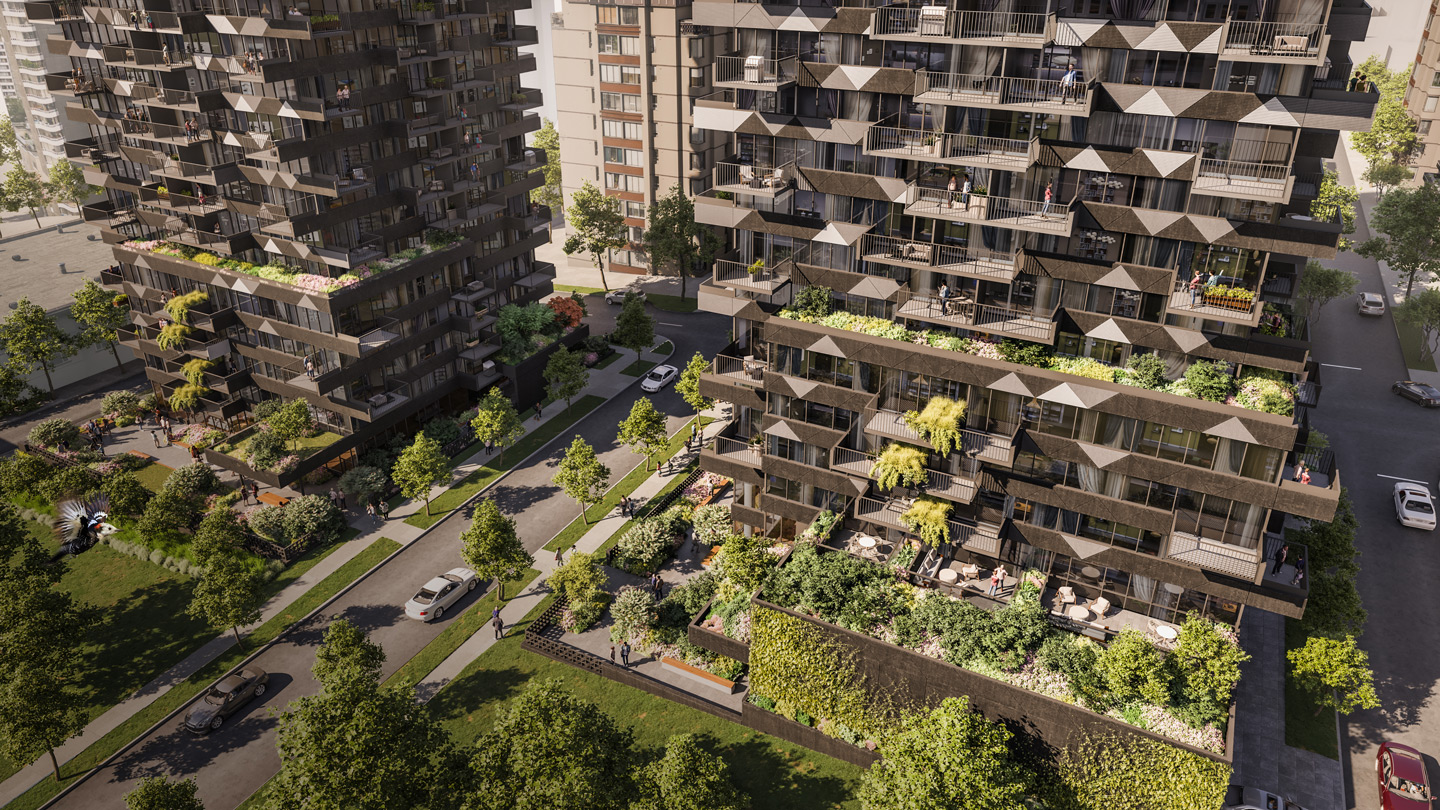
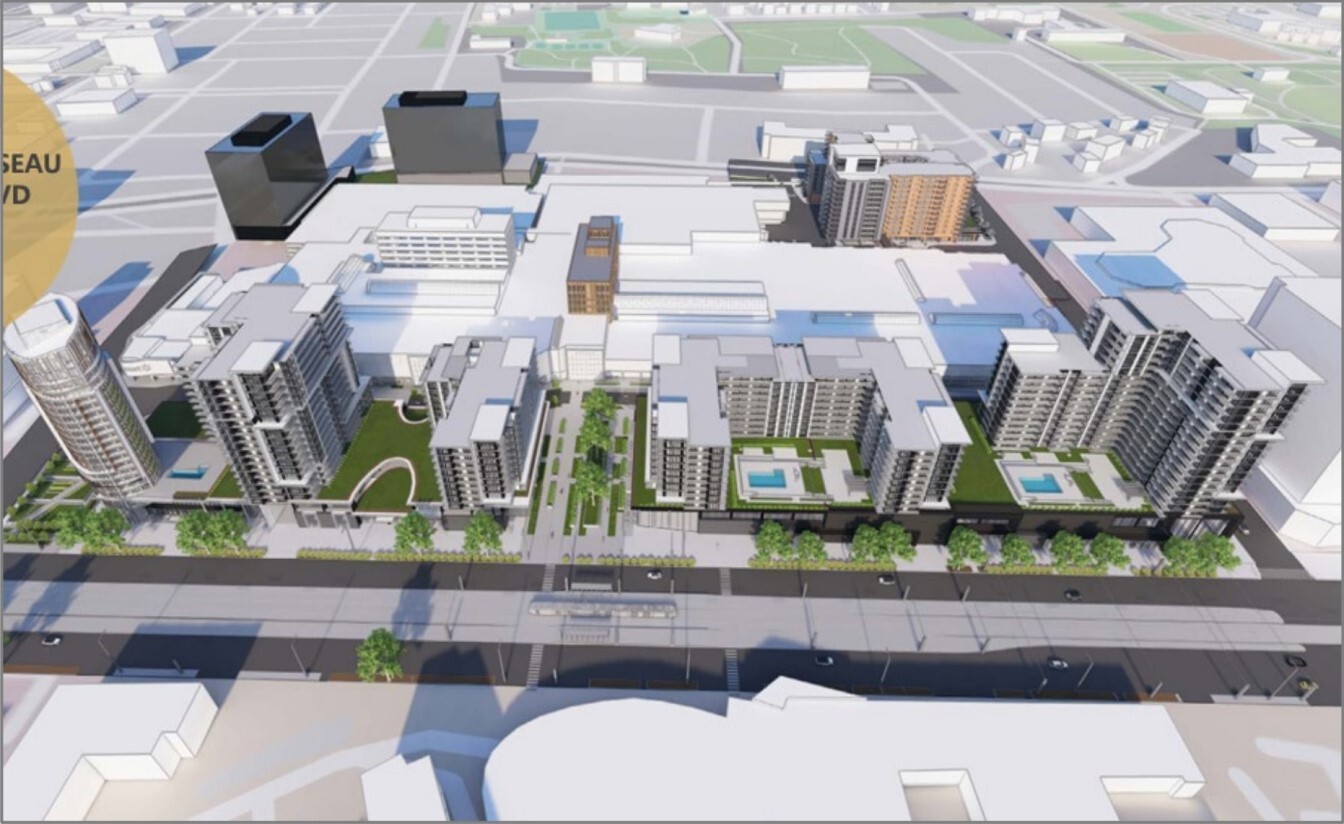
The street layout and building massing are bad though. The single curved street through the development basically acts as a cul de sac - there's little integration into the surrounding community and few natural paths of through-travel; so it will end up as dead space as the only people with a reason to pass through it are those whose destination is in the complex. Compare this to successful developments of the past like Olympic Village or Yaletown, which added to the established street grid and stitched former dead spaces into the larger urban fabric.
|
You're interpreting the street layout and building massings as bad when clearly not everyone has the same perception. Culs-de-sac are bad in a suburban setting because of the low density and automobile orientation which forces people to take unnecessarily long trips. Walking and active transportation often aren't reasonable alternatives in that type of setting because there are few places to walk to other than a local dog walk park or something and the layout can make bus routing difficult. But in this case there are plenty of pedestrian connections and enough density that they'll actually be used.
And with that level of density, you don't need to worry about attracting outsiders to the space for it to be lively, nor do you necessarily want it to be a hub of activity as a residential area. Especially since the passageways round and through the area won't cause it to act as any sort of barrier to those in the rest of the city even if it doesn't "attract" them.
Quote:
Originally Posted by MonkeyRonin
The purpose of spacing out towers, and where "Vancouverism" excelled, was in being able to add density while still preserving views and light for the occupants of those towers (thus making for more pleasant living spaces). In a development with massing like this, only the occupants of higher units and those on the outside will be lucky enough to experience the same.
|
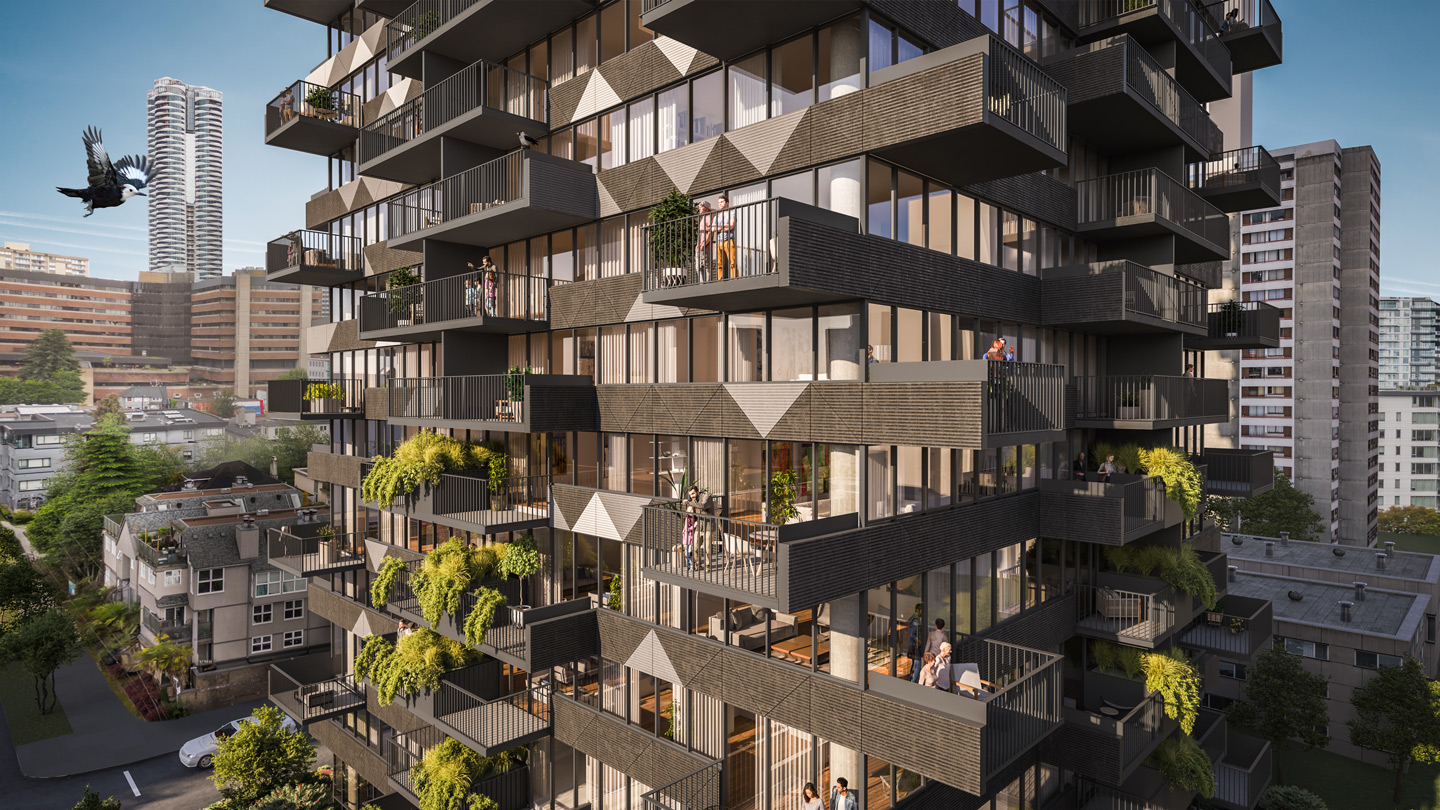
Those are certainly things for prospective buys or renters to consider but not really that relevant to people like us who are critiquing it from a planning perspective. They can decide for themselves if the advantages outweigh any disadvantages. It's also pretty clear that given the building angles and space that does exist, very few if any units will lack light or views entirely, while given the number of towers on the rest of the peninsula, there are inevitably some units there with reduced levels of those things. For most of the buildings including on lower levels, there will be views that are partially obstructed but that still offer glimpses between other structures.
Quote:
Originally Posted by MonkeyRonin
As for traffic, the point stands that reducing vehicular road capacity in the vicinity by 75% while adding no additional alternative infrastructure just means that traffic will be worse. Congestion is already pretty bad in the area as there are only 3 other through roads into downtown from the east (Pender, Hastings, and Powell/Cordova).
In addition to the grade change, there's also the issue of buildings that have built alongside the viaducts, with entrances at viaduct level (eg. like these ones: https://maps.app.goo.gl/GkkMfTSWC89P9ysx9), so they can't be removed entirely. |
You would only need additional alternative infrastructure if the existing alternate options like sidewalks, bike lanes and transit routes are at or near capacity. And it isn't true that reducing vehicular capacity necessarily increases congestion since it can also act as a deterrent to vehicular use in the area and/or correct a capacity mis-match. A mis-match happens if there isn't enough capacity further downstream to handle the volumes passing through the area. That's a common issue with downtowns. There can be lots of big roads leading into or toward downtown with the downtown struggling to absorb the traffic volumes. In such cases, lowering the volume entering downtown to match the volume that it can handle actually reduces congestion since it's the mis-match in capacity that causes the issue. Basically it's like i your shower head delivers a lot more water than your shower drain can handle then your shower will flood every time you use it. But if you reduce the flow coming from the faucet that reduces the backup rather than increasing it.
And clearly if you have fewer vehicular lanes you can't have as much traffic since even if the nearby roads are all bumper to bumper, there will be fewer overall vehicles in the queue. That's an improvement from the perspective of nearby residents since it would lower noise and emissions. So you can't make assumptions about the effect of road capacity reduction in a particular location without knowing those sort of details.





 Prev
Prev












 Linear Mode
