Canada's 'housing bubble' deemed close to bursting


Status
Not open for further replies.
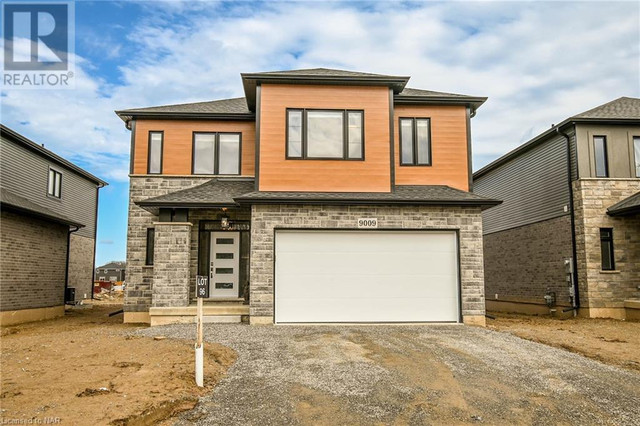
"Hey, are you a buyer looking for an overpriced property in Niagara Falls? Then I have the dream listing for you" :haha:

Niagara Falls - $1,399,990
4 Bed, 3 Bath
2,473 sq ft

:haha:

Molson, are you mesmerized?
• Video Link

https://www.realtor.ca/real-estate/24253399/9009-emily-boulevard-niagara-falls#inFullscreenMode

wow look at all those amenities!!!
RxUKUsH.png
 
wow look at all those amenities!!!
RxUKUsH.png

Had a look at video. It is a nice looking house.

I do have to say, the sales agent starting with the amenities including a lovely "pond" is a little weird. That pond does have a duck. I wonder if the duck was staged or decided to up residence on his own. I guess that was goes for "nature" these days in suburban development.

The pond does not look inviting at all, the water looks more like construction run off than anything else. I don't even think park benches would make it any better. I also wonder what will happen to property values if undesirable like beavers or Canadian geese move into the neighborhood.
 
:sly: :yuck:

40234349-1.jpg


40234349-34.jpg


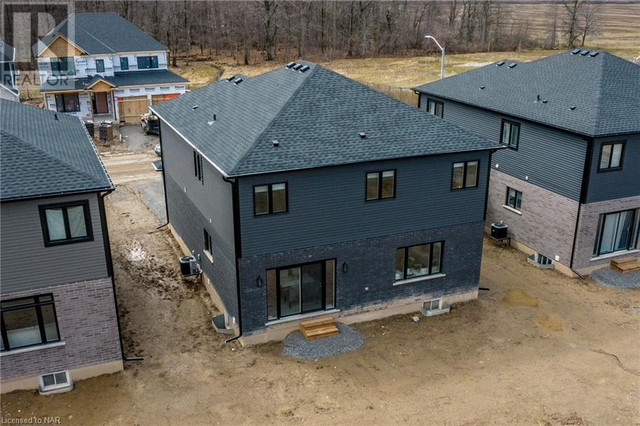
maybe some of the inside but definitely NOT the exterior.
Don't forget they're asking $1.4M

Yes, I am commenting on the inside.

The outside is I guess "21th-Century Suburban" architecture? With some carefully positioned trees it can be tolerated. The pumpkin colour allows it to stand out on the street. The addition of some strategically placed noams will add an old-world charm. :runaway:

However what should be expect? The goals is to extract every square foot of usable internal space while having a driveway and double car garage.
 
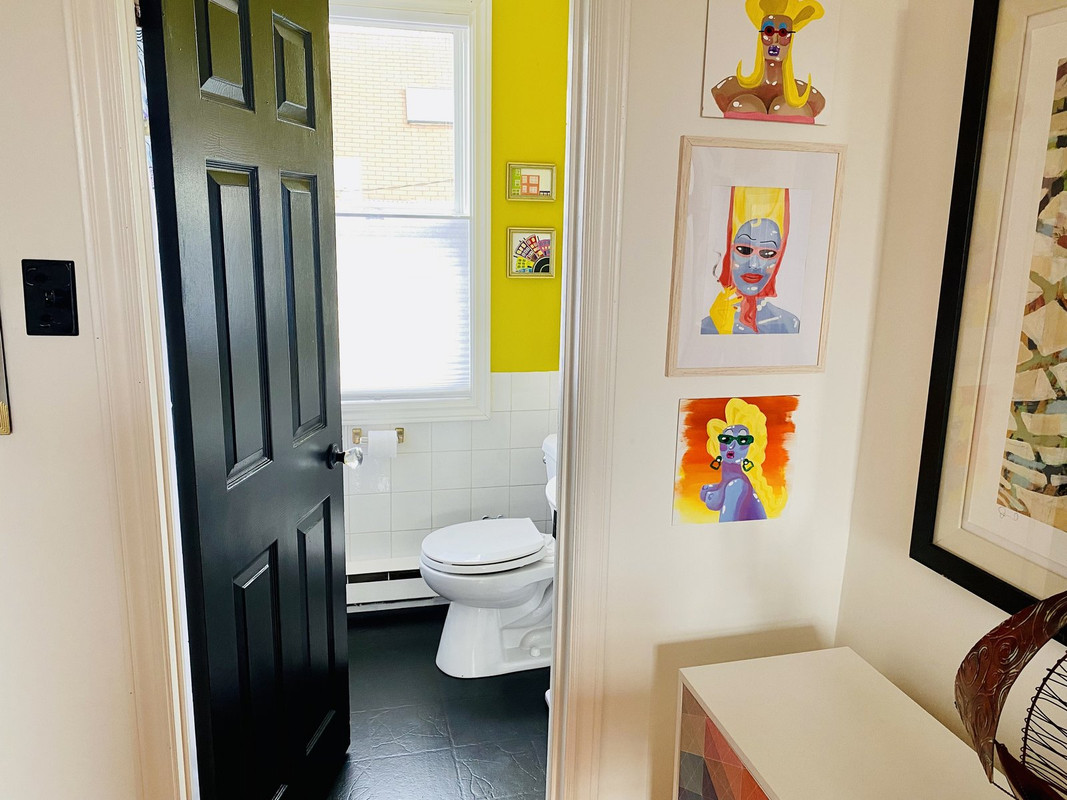
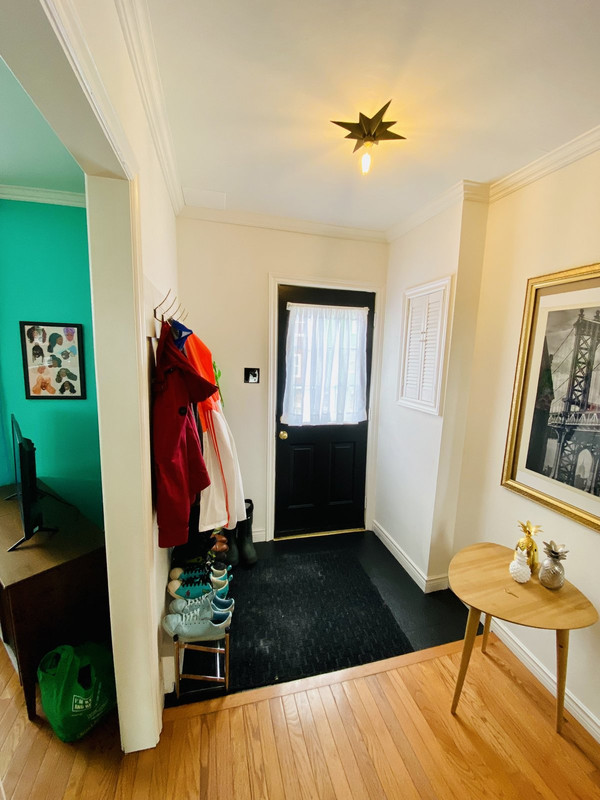
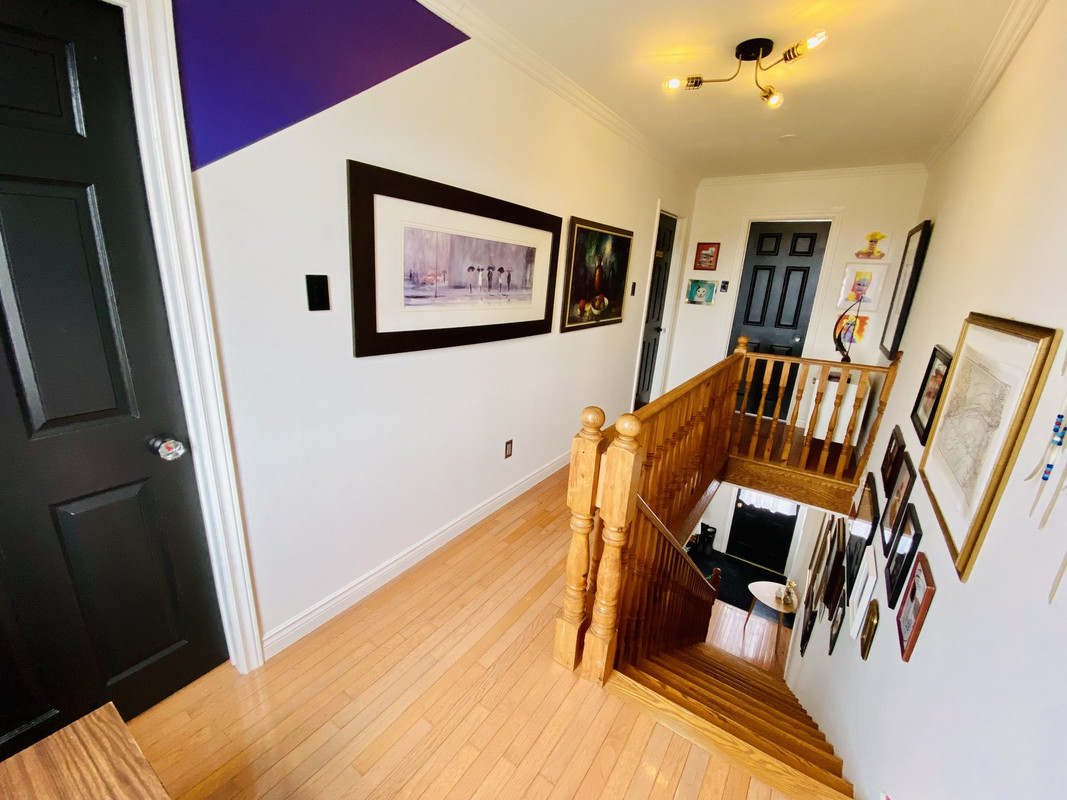
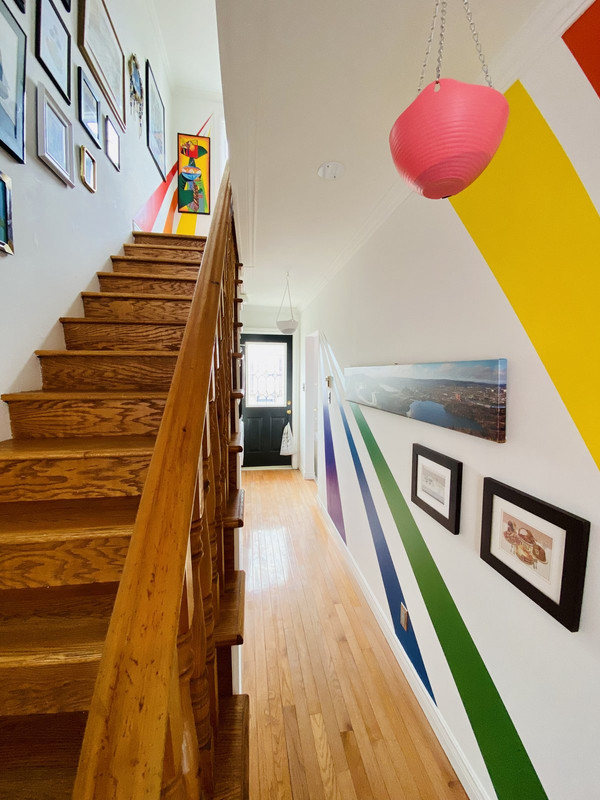
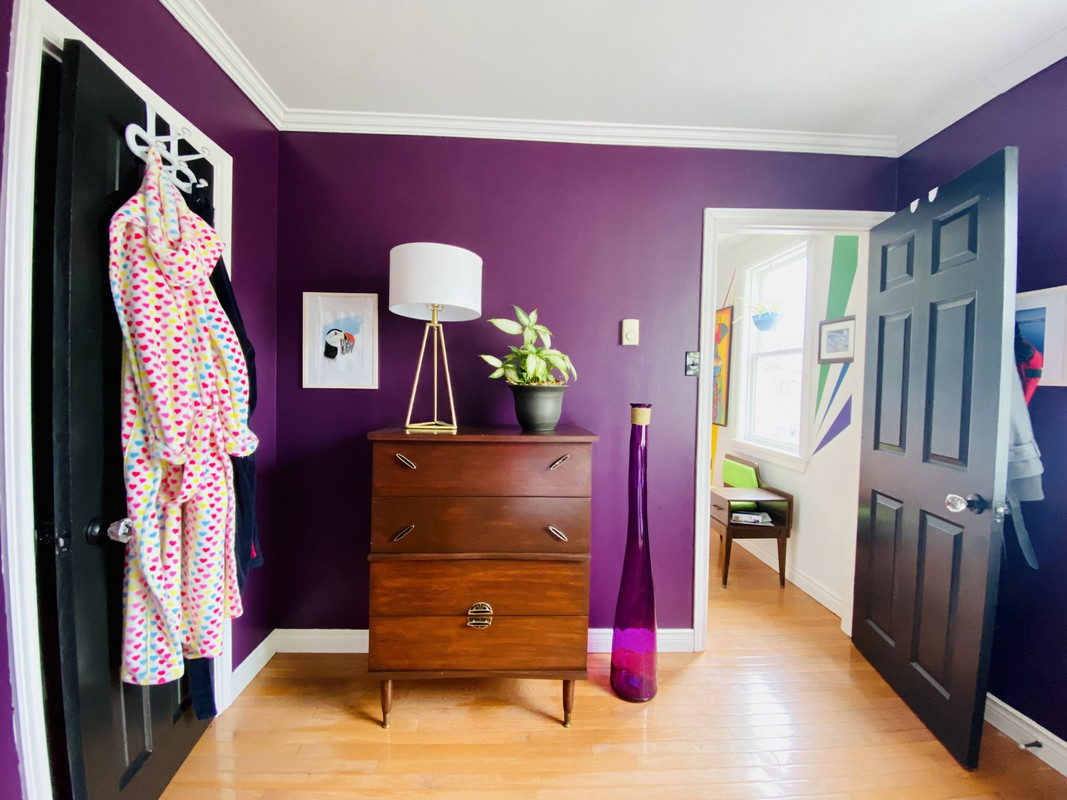
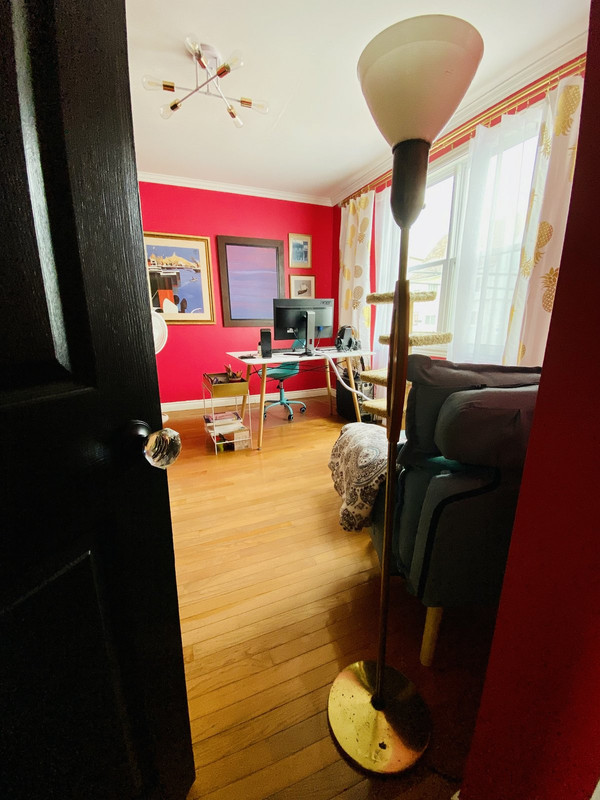
Quick “reno” update :haha:

 
Looking good SHH! I think the style works for the housing type / location.

We're in the process of trying to get some minor actual renos done on the secondary house we bought, which need to be done before we can put any furniture or décor in. Trying to get anything done right now is a nightmare though. In the meantime I've looked at more examples of how to decorate a place than ever before though.
 
Very smart. The black doors with the crystal knobs make it feel cozier and more native to the older house than if they were the generic white doors.

I've always said that it's proportions and design that make or a break a house. You only really need a couple elements of high quality materials. In this case the original hardwood floors add that nice warmth and texture.


I've seen plenty of interiors with expensive materials that fall flat on their face. I don't mind the outside of this one but it quickly goes to shit on the inside:

https://youtu.be/8XXGVgz6DUU
 
Quick “reno” update :haha:


Very nice Signal. :tup:

You should invite the previous owner over for a look-see. She probably won't believe the transformation.......
 
We are so lucky our working class is white. Add race into our class divide and we’d be the subject of international protests.

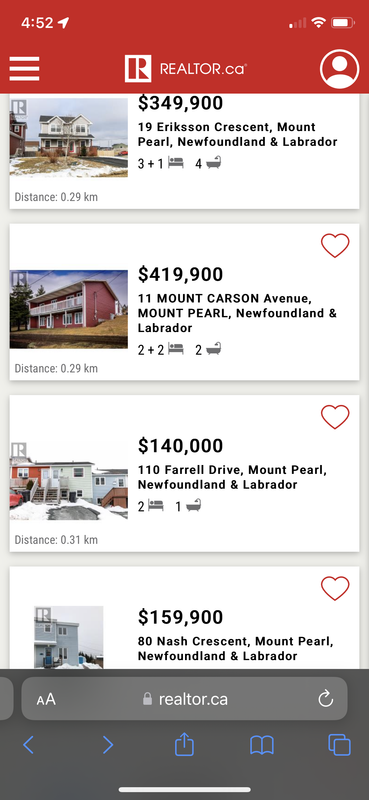
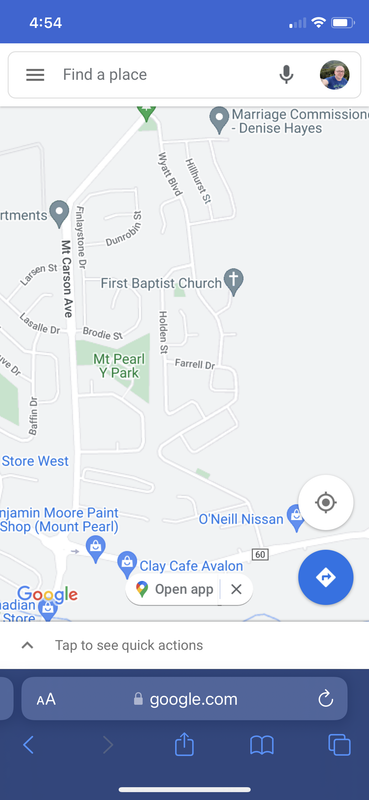
I’m out in Mount Pearl for Easter supper. Check out the divide between Mount Carson and its off-streets, and immediately adjacent Farrell Drive and its off-streets:

FB995-D0-B-5893-41-F0-AAFE-F988-B05-CEE47.png


And despite being literally adjacent, the two streets do not connect except at main thoroughfares well beyond the residential areas:

2222-B93-A-AA91-47-DB-B14-A-BFEA50-CE0-A58.png


Sad, really. We’re never going to develop beyond this if we keep solidifying it in our urban form.
 
Last edited:
Trudeau announcing again today that they are 'banning foreign buyers for two years' to help get Canadians into homes.
 
Last edited:
Trudeau announcing again today that they are 'banning foreign buyers for two years' to help get Canadians into homes.
Pretty sure anyone who buys property invests enough to get automatic status of some sort as an immigrant investor (PR or something) so that announcement is pure BS — the concept of “foreign buyer” was already a legal paradox; it doesn’t exist.

Now, if someone ever did something about buyers who buy Canadian real estate with foreign-sourced funds, then THAT would actually have an effect.

But of course, no one wants to do that. We need the conveyor belt of foreign funds injected into our real estate to continue.
 
Meanwhile in Winnipeg

City housing market breaks more records
Average home price up 16.3% over last year, while two-thirds sold above list in March

Winnipeg housing prices jumped a record-breaking 16.3 per cent year-over-year.

According to a Royal LePage report released Tuesday, it’s the biggest increase the real estate company has recorded since it began tracking aggregate prices.

"These records keep on going," said Michael Froese, a managing broker for Royal LePage Prime Real Estate in Winnipeg.

For the first time ever, an average single-family detached home costs over $400,000 — a median $425,600 — in the city. In 2021’s first quarter, the same house type had an average price tag of $382,000.

The average Winnipeg condo rose from $225,000 in quarter one last year to a current $243,900, an 8.4 per cent increase.

"We didn’t expect (buying) to be as intense as it was in the first quarter," Froese said.

March set a new record due to bidding wars: 67 per cent of homes — over two-thirds — sold above list price. That’s up 14 per cent from March 2021, according to Royal LePage’s recent report.

Overall, an average Winnipeg home costs $387,900, up 16.3 per cent from the $333,500 recorded during 2021’s first quarter.

"Demand hasn’t gone anywhere, and supply can’t keep up," Froese said. "Real estate is a huge industry, and it’s an industry that doesn’t change on a dime… You don’t build a house in a day."

Supply chain backlogs on materials and labour challenges continue to slow progress on home builds, said Lanny McInnes, president of the Manitoba Home Builders’ Association.

Pre-pandemic, it might take nine to 10 months to build a single-family detached home, McInnes said. Now, the same place could take over a year to complete.

"It’s still not deterring people from building," McInnes noted. "(We’re) expected to remain very steady right throughout the year."


The association’s most recent forecast says Manitoba will see around 7,700 new home builds this year, but that number could be pushed higher, McInnes said. It’s up from the 10-year average of 6,693 build starts per year, but lower than the over 8,000 that began in 2021.

Prices likely won’t come down, at least in the short term, Froese said.

"Any price decrease will be soft," he said.

He’s hoping more Winnipeggers will put their homes on the market in spring (a typically busy real estate season). More supply is needed to halt the skyrocketing prices, he said.

Last Wednesday, the Bank of Canada boosted its policy interest rate another 0.5 per cent to a total one per cent, making mortgages harder to obtain. Even so, the measure won’t dampen demand right away, Froese said.

"Rising interest rates might… push some people out of the market, but not nearly enough to have a major impact on prices," Froese said.

Instead, it might cause some shoppers who qualified for mortgages with interest rates pre-hike to buy homes sooner. Some have a window where they can still access the lower interest mortgage, but they must purchase a place in up to 120 days, depending on their agreement, Froese said.

"It speeds (buying) up in the immediate, because people now have a deadline," he said.

And, customers looking for homes might not be deterred by the higher interest rate.

"Maybe they’ll cut back elsewhere," Froese said, listing trips, renovations and nights out as places to reduce spending.

In its latest budget, Ottawa announced it would spend $10 billion on housing.

"It can’t come quick enough," Froese said, adding he doesn’t expect the funding to change housing prices in the short term.

Royal LePage predicts the average home in Winnipeg will reach $385,800 by the end of the year, up eight per cent from 2021’s finish. Measures including interest rate hikes and more supply should slow the housing fervour, Froese said.

"With the rising prices, Winnipeg continues to kind of be a standout… of moderate growth," Froese said. "It might not feel that way, but we look at other parts of the country… We’re still positioned (well) going into the rest of the year."

The national average home price soared 25.1 per cent above its first quarter average last year, according to Royal LePage’s Tuesday report. The average national price was $856,900.

"Across Canada, the question of housing affordability has become very complicated," said Jino Distasio, a geography professor at the University of Winnipeg who studies housing and homelessness.

The class of working poor is growing, including in Winnipeg, Distasio said.

"A $400,000 home — we’re talking about needing an income of maybe $80,000 to $100,000 to really have a good push and to afford sometimes the average house price," Distasio said.

People with modest paying jobs — in the $50,000 to $60,000 range — might not be able to afford homes in places they could pre-pandemic, Distasio said.

"Ownership in Canada is becoming more elusive… than we’ve seen before," he said. "Even… a $1,500 to $2,000 a month rent, that just seems unheard of in Winnipeg."

Manitobans may stay in rental units longer than they’d like due to increasing housing prices, he added.

"We have to move up the benchmark for building true affordable housing for our very lowest income households," Distasio said. "The whole notion of what we mean by affordable housing has changed over the last five years to include a broader range of both low and moderate incomes."

Manitoba has 33,168 social and affordable housing units, according to a Canada Mortgage and Housing Corporation report released last November.

Of those, there were 359 vacancies. Only Prince Edward Island, Newfoundland and Yukon had fewer vacancies (Nunavut didn’t have data).

The majority of Manitoban units — 27,274 — were built between 1970 and 1989. Just 3,608 were built in 1990 or later. An average two-bedroom cost $872, as of the November report.

The public housing info really stood out. Canada really needs to increase how much public housing they build as one major step to keep affordability because if Winnipeg becomes unaffordable the rest of the country stands no chance.
 
GenX:

I'm in a weird spot where I was fairly easily able to get into the market well before the door started to close but now am really gonna be stuck where I am because even if I sell at a premium, I'll have to buy at one too. I guess I'll just live here and make upgrades until I croak! :D

The situation is not that dire in Winnipeg yet but the cost of upgrading has jumped noticeably...5 or 6 years ago, taking a step up a notch or two from my current home to something noticeably nicer/bigger/better situated would have cost around $100-150K. Now it's nearly double that much.

Not that I was inclined to move, but with the way things have been going I have put any thoughts of moving to rest. The thought of taking on an extra $225K in mortgage debt or whatever for an extra 650 sf of living space and a bigger backyard just isn't appealing to me.

GenZ can take solace in the fact that once all these Boomers shuffle off the mortal coil (they've started) there should be a glut that drives down prices again. We'll see, I guess.

At some point we'll start seeing the effects of that generational turnover. I can think of several large homes on my street that are currently occupied by empty nester boomers, some of whom are single/widows.
 
I just realized that this thread started in 2011. Is this housing "bubble" still "close to bursting"??

Going into the next decade now, and many are still anticipating

:haha:
 
I'm genuinely curious to see how this impacts the housing market and whether or not immigration numbers/buyers will make up for much of that.

Will this ban impact commercial (visitor accommodation) or recreational?

If not, this could redirect those investors into other very heated markets.
 
Last edited:
I just realized that this thread started in 2011. Is this housing "bubble" still "close to bursting"??

Going into the next decade now, and many are still anticipating

:haha:

Yeah, you can never time anything. I see people on social media making fun of $1M condos that aren't selling. Meanwhile these people made fun of the same ones 10 years ago at $500k. The people who bought then who are selling might have to selling for a mere $950k. :rolleyes:
 
I just realized that this thread started in 2011. Is this housing "bubble" still "close to bursting"??

Going into the next decade now, and many are still anticipating

:haha:
Buying Canadian real estate in 2011 was basically the equivalent of buying bitcoin at $20,000 CAD apiece. (The people who did that have tripled their money, as of right now.)

When bitcoin was at $20k, tons of people considered it a bubble. Yet at that point in time, the correct decision was, counter-intuitively, to invest, even though the value at that moment seemed already ridiculous, completely off the charts / speculative, and likely about to pop.

Not the best analogy. Bitcoin isn't tax free and it's declined quite a bit, but essentially could have been a 1,000x-10,000x bagger for early adopters. Housing has 5x'd in some markets since 2011 and seems at worst, stable.
 
Status
Not open for further replies.


Back
Top