goodgrowth
New member
It's not so much that Algonquin is more scenic as it is just having the optimal latitude and biome for a truest 4 season climate along with Ottawa, Montreal, parts of NB and NS.


It's not so much that Algonquin is more scenic as it is just having the optimal latitude and biome for a truest 4 season climate along with Ottawa, Montreal, parts of NB and NS.
Sort of. It's a very "quintessentially Canadian" landscape but I'm having trouble picturing a scene like that near any of the populous parts of BC, SK, MB, PEI, or NL. Either due to the differences in terrain, mix of tree species (you wouldn't get that much variety in colours in most places), or both.
The areas I associate with this kind of landscape are Southern Ontario, Southern Quebec, and the inland parts of NB and NS. I could imagine the Foothills region in Alberta having areas that look like this. Aside from that I think it's less common than most people assume.
I've never been to Algonquin specifically but having been to similar places (Keji in NS is one example) part of the "appeal" is the feeling of being totally immersed in the forest, rather than any specific, impressive views. In a lot of these other environments the real focus is the mountains - but being immersed in a vast forest feels very different than being on the side of a mountain that happens to have trees on it. The landscape not only looks different but is experienced totally differently when you're actually there. I'm more of a mountain guy myself but I can see where others are coming from.
I've driven through the mountains many times and it is indeed spectacular, but I would say that the drive on Highway 17 from the Soo to Wawa and then West to Thunder Bay actually gives it a run for it's money. Far more scenic than anything I've seen in Algonquin - just don't do it in the winter. Lake Superior really does look like an ocean in parts.
And yeah, Fall in Alberta forests just isn't the same as what you see in Ontario and Quebec (Maritimes too I'd assume). Plus Eastern forests are far more dense in terms of tree coverage.
I dunno, I think the scenery does matter for determining where people want to visit. I don't think they are just picking the "truest 4 season" place.
If you look at a map of Ontario and zoom out you'll find that farther west there's more flat farmland with few small lakes and farther east there are more networks of lakes and hills with forest.
London ON is in the classic 4 season climate zone but not traditionally known for being scenic. Metro Toronto folks seem to head north for recreation more than they head west. This includes the $4M cabin crowd who are basically free to spend their time off wherever in Ontario they please.
I'd also point out that the tendency to head north in summer goes against the notion that people want as many 30+ days as possible or like to experience record warm nighttime temperatures and so on. I think a lot of people like moderate summers which are farther away from 4 seasons.
Ontario's natural geography is kind of boring, but it has some of the best urbanism in the country. That's its strong point. It does have some good natural highlights, but I wouldn't argue it's Algonquin Park. It's the Great Lakes, the Niagara Escarpment, and the beaches and waterfalls within.

 DSC_1113 by stewart scott, on Flickr
 Toronto by Marcanadian, on Flickr
 Toronto by Marcanadian, on Flickr
Nobody has highlighted this yet, but You would really have to visit Northern Ontario and into the shield to see Ontario's real natural beauty. The Boreal forest with the endless lakes is where this province really shines. Where there's very little farm land, but rugged scenery. Otherwise I agree with you..Ontario, can be boring in some parts. I disagree that Ontario's strength is solely it's urbanity. It's a large province with very diverse geography,
I agree that it's a different and cool experience, but also that "immersed in forest" can happen in pretty much any province in Canada. The fall colours may or may not be as vivid, but isn't peak cottage time in the summer anyway? The settled regions of Canada are more or less narrow bands and there aren't entire provinces almost entirely settled like there are US states.
Like if Toronto had Mont Tremblant or the Cape Breton Highlands within 2-3hrs, you can bet Torontonians would be flocking there instead.
Sort of. A lot of tourists come in October specifically to see the leaves (tens to hundreds of thousands per year in NS, probably millions in NS+NB+QC+ON). It's also not uncommon for people to go to the cottage on weekends in the fall even if it's not prime swimming weather.
PEI is pretty much entirely settled and does not have much forest at all. Nova Scotia would be about an average level of built-up-ness among States. I doubt that New Brunswick is any less settled than somewhere like Utah or Colorado. :shrug:
I tend to agree with this. But Mont Tremblant and the Cape Breton Highlands aren't really interchangeable with anything in Western Canada, the way they might be with each other, and with parts of Ontario; that's my point. (I'm also not saying they're "better" per se)


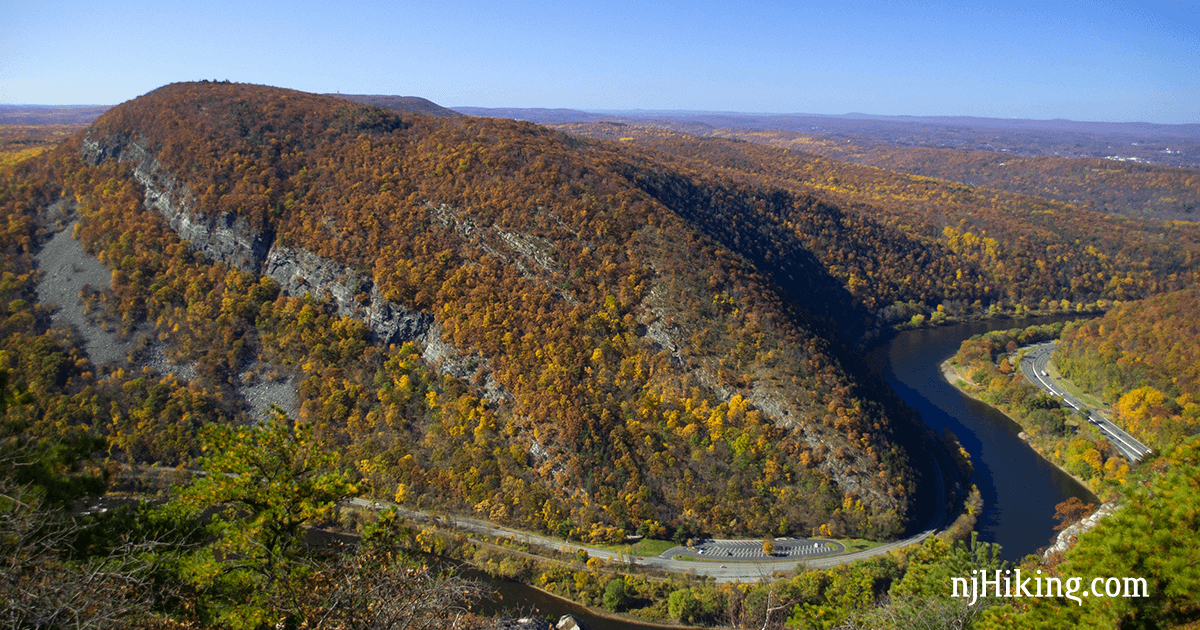

I guess it's all relative. I wouldn't really consider those NJ scenes 'wilderness mountains', it is very pretty and nice spot, but saying it's 'mountain wilderness' next to the city is a stretch. More like rolling hills with some vegetation. Most cities have some kind of natural areas not too far away, it isn't unusual to have forested areas within some proximity. The 'wilderness' in the West is much more wild, and evokes more of a wilderness feeling than anything out east.
I guess it's all relative. I wouldn't really consider those NJ scenes 'wilderness mountains', it is very pretty and nice spot, but saying it's 'mountain wilderness' next to the city is a stretch. More like rolling hills with some vegetation. Most cities have some kind of natural areas not too far away, it isn't unusual to have forested areas within some proximity. The 'wilderness' in the West is much more wild, and evokes more of a wilderness feeling than anything out east.


 )

