
You are using an out of date browser. It may not display this or other websites correctly.
You should upgrade or use an alternative browser.
You should upgrade or use an alternative browser.
Salt Lake City: Official Development News Thread - Part 5
- Thread starter jubguy3
- Start date

delts145
Active member
Demolition has started on The Exchange site, across from the library.
With Tower 8, Liberty Sky, Exchange, and some of the other projects starting soon, the forum should be pretty interesting this Summer.

https://i1.wp.com/www.buildingsaltl...2017/07/The-Exchange-1.png?fit=1656,886&ssl=1
Last edited:

Orlando
New member
Violin School Commons/Northwest Pipeline status?
Does anybody know what the status is of this project?
https://www.buildingsaltlake.com/commission-approves-large-mixed-use-mixed-income-central-city-development/

Does anybody know what the status is of this project?
https://www.buildingsaltlake.com/commission-approves-large-mixed-use-mixed-income-central-city-development/
Orlando
New member
Btw, I was in San Diego last weekend and went to the downtown outdoor mall, Horton Plaza, which was a remarkable piece of urban design back in the day, kind of like the Gateway. But, it is dying, just like the Gateway mall was. It's a trend with malls in general, I think. I was last there in 2004 and it was thriving.
 .
Btw, I was in San Diego last weekend and went to the downtown outdoor mall, Horton Plaza, which was a remarkable piece of urban design back in the day, kind of like the Gateway. But, it is dying, just like the Gateway mall was. It's a trend with malls in general, I think. I was last there in 2004 and it was thriving..
I just don't get it, did anyone actually think that City Creek and the Gateway would both survive? Its survival of the fittest, and simply put, our downtown is just way too little to support two malls. Cities with downtowns much larger that us can't all support two malls in its core, so why would anyone expect little ol' Salt Lake to be able too?
I don't think its a matter of just malls dying in general. I think that had a small part of it, I think our population and tourist scene could only handle one mall, and the Gateway took the punches as long as it could over a long period of time until it slowly dwindled away.
Sad, but life.
stayinginformed
New member
I noticed over the weekend that the lot just north of the North Temple viaduct at 600 West has fencing up. Does anyone know if there are plans to finally do something there? UTA has owned that lot for a long time, I wonder if they are finally developing one of their TODs, or if they decided to sell the lot and another developer is working on a project there.
ucsbgaucho
Member
Btw, I was in San Diego last weekend and went to the downtown outdoor mall, Horton Plaza, which was a remarkable piece of urban design back in the day, kind of like the Gateway. But, it is dying, just like the Gateway mall was. It's a trend with malls in general, I think. I was last there in 2004 and it was thriving..
I'm from San Diego, Horton Plaza took San Diego's downtown from a haven for druggies and prostitutes and crime to what it is today; one of the most thriving downtowns in the country with restaurants, bars and entertainment. But it was designed to wall itself off from the crime outside... so with downtown the way it is now, it's a fortress that doesn't make any sense. It would be as if the gateway was completely surrounded by parking structures, and the only way to access it was through one of them.
They are now looking to completely redevelop Horton Plaza, the prevailing plan is to remove all retail and turn it into a huge urban tech workspace. As a mall it's not needed anymore, downtown already has all the entertainment it needs, but they want more commercial space, so we'll see what happens.
delts145
Active member
The Century City Center has just finished reinventing itself in a major way. Also,the Beverly Center has been in the process of gutting and reinventing itself. Both Centers are surrounded by major population, but saw the writing on the wall and need for reshuffling priorities. Century City has the right demographic and mix to continue it's success. I'm not entirely convinced that the Beverly Center will thrive. It still seems more like lipstick on a pig. Still very much like the old Crossroads Mall.
I continue to be very excited by the changes coming about at The Gateway. The current owners seem to have the expertise, know how and the money to back up their goals.
I continue to be very excited by the changes coming about at The Gateway. The current owners seem to have the expertise, know how and the money to back up their goals.

Comrade
They all float down here
It's too bad the University of Utah can't get in on the Gateway - maybe open up a mini-campus in some of that area. Build some housing around there - or partner with development for housing. It would be a perfect fit as the area gravitates more toward being an entertainment option over a retail option.
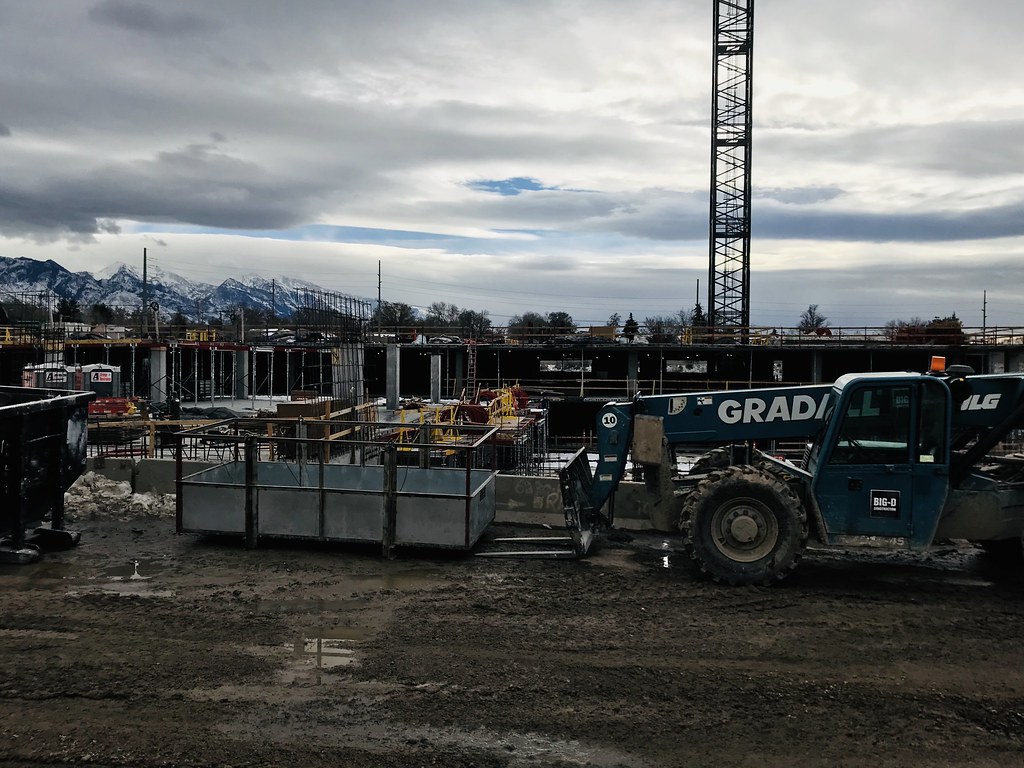
Here's a photo update from the weekend of a few projects in and around downtown and Sugar House. I hope to take pics along the S-Line, along 300 W and around central 9th soon as well.
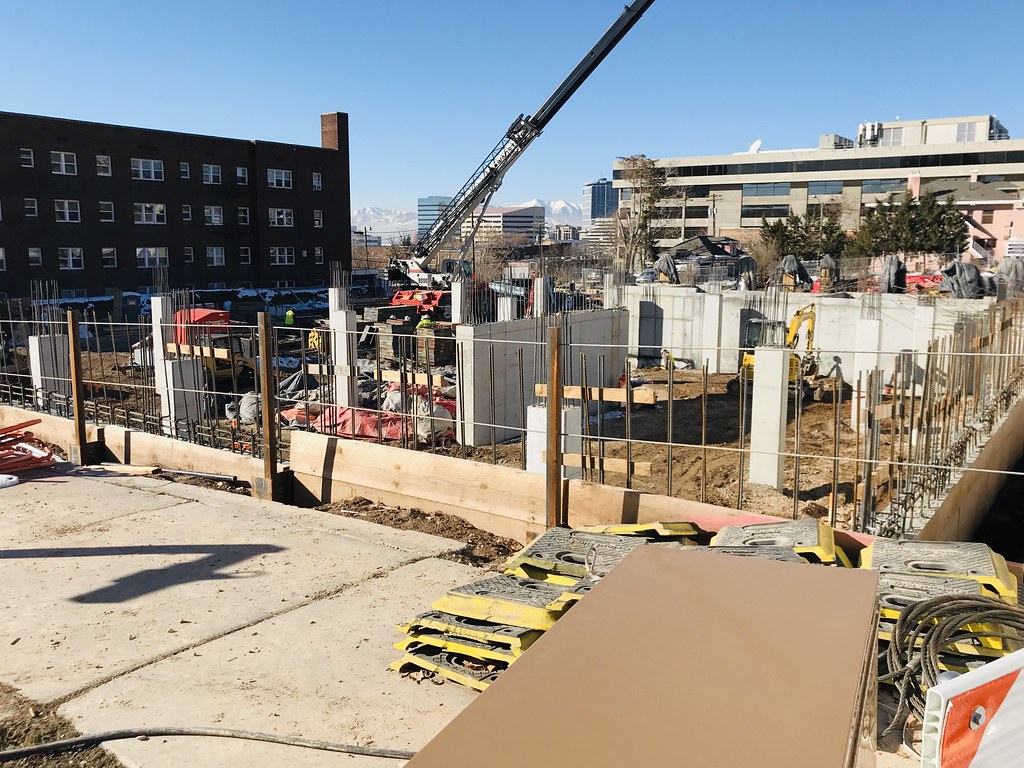
Hardison Apartments (SW corner of S Temple and 500 E):
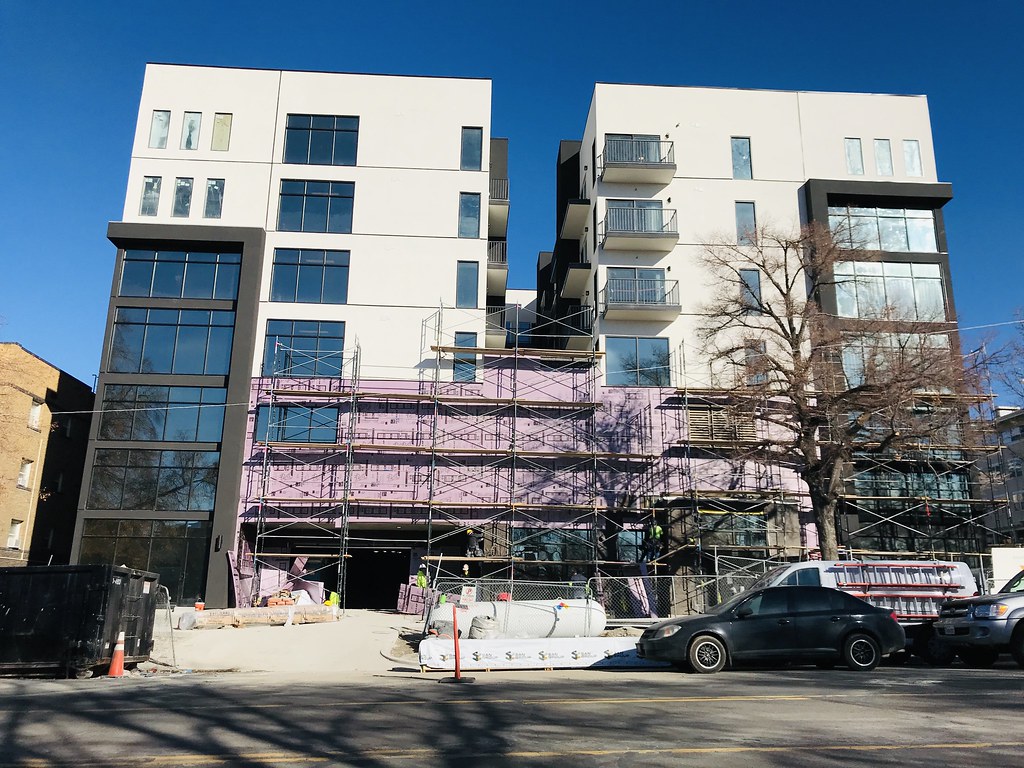
4Forty7 (447 E 100 S):
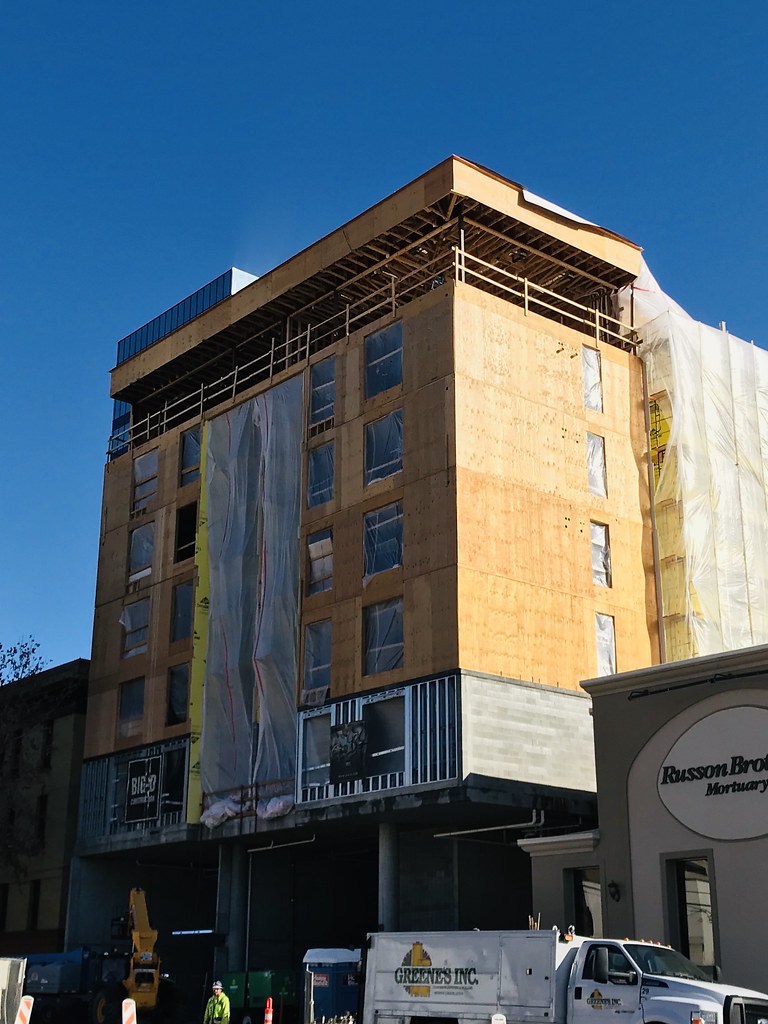
The Morton (~250 S 200 E):
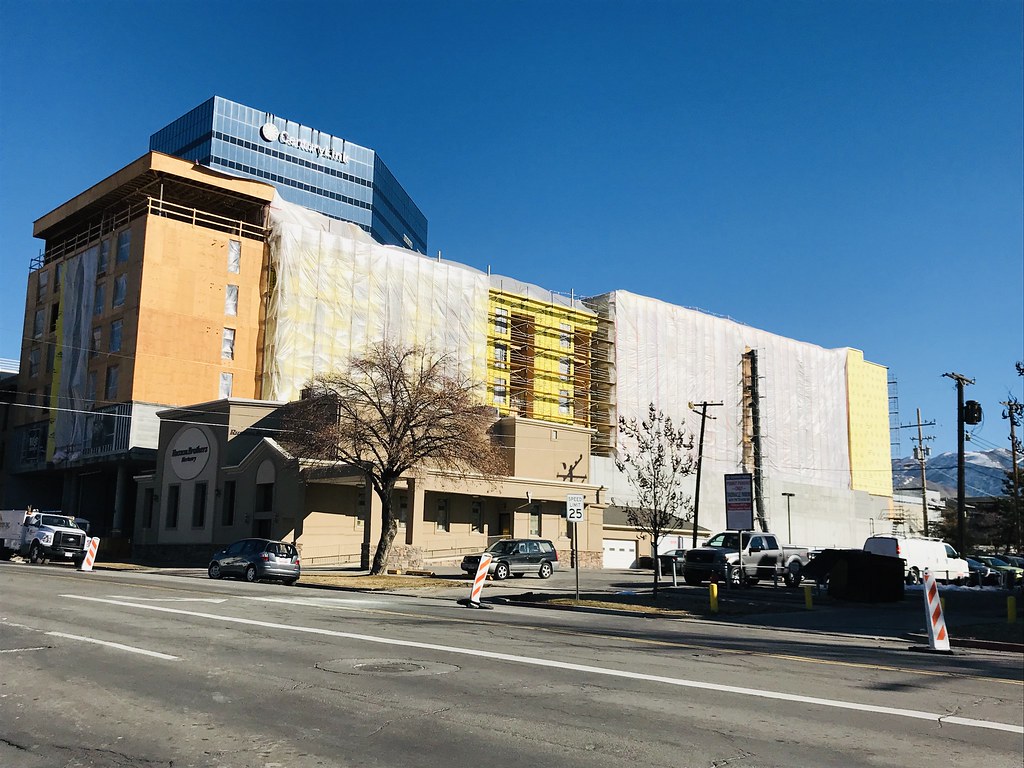
255 S State Street (RDA site) looks to be clear of old steel:
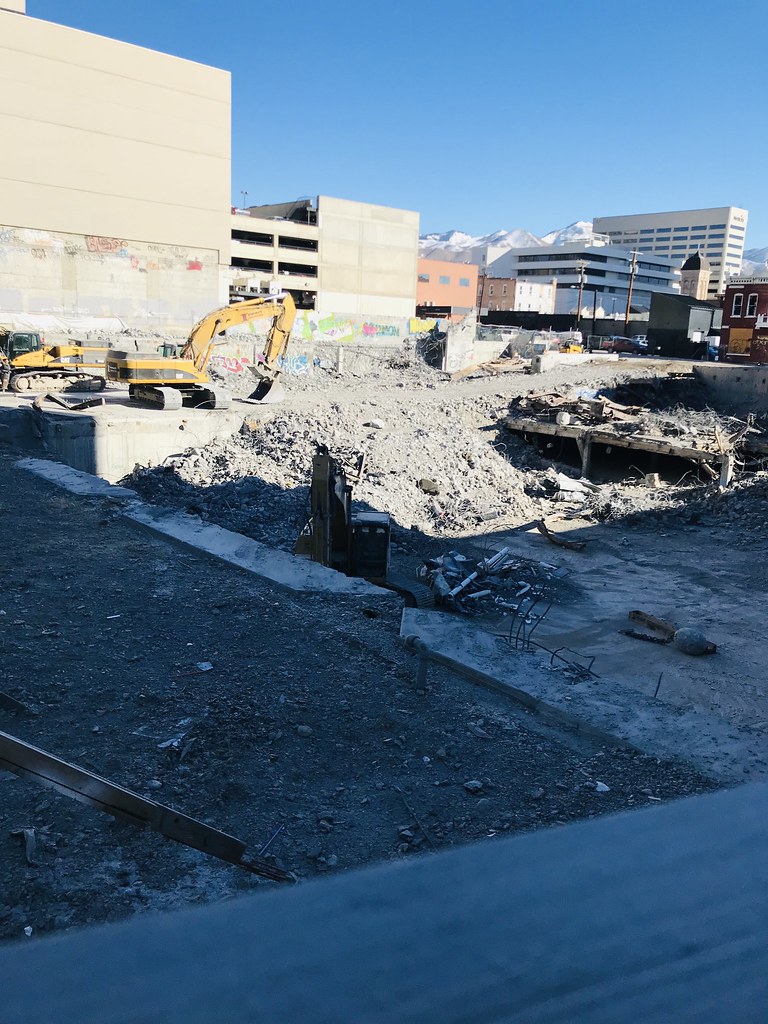
Tower 8 staging area, no action on Tower 8 site yet:
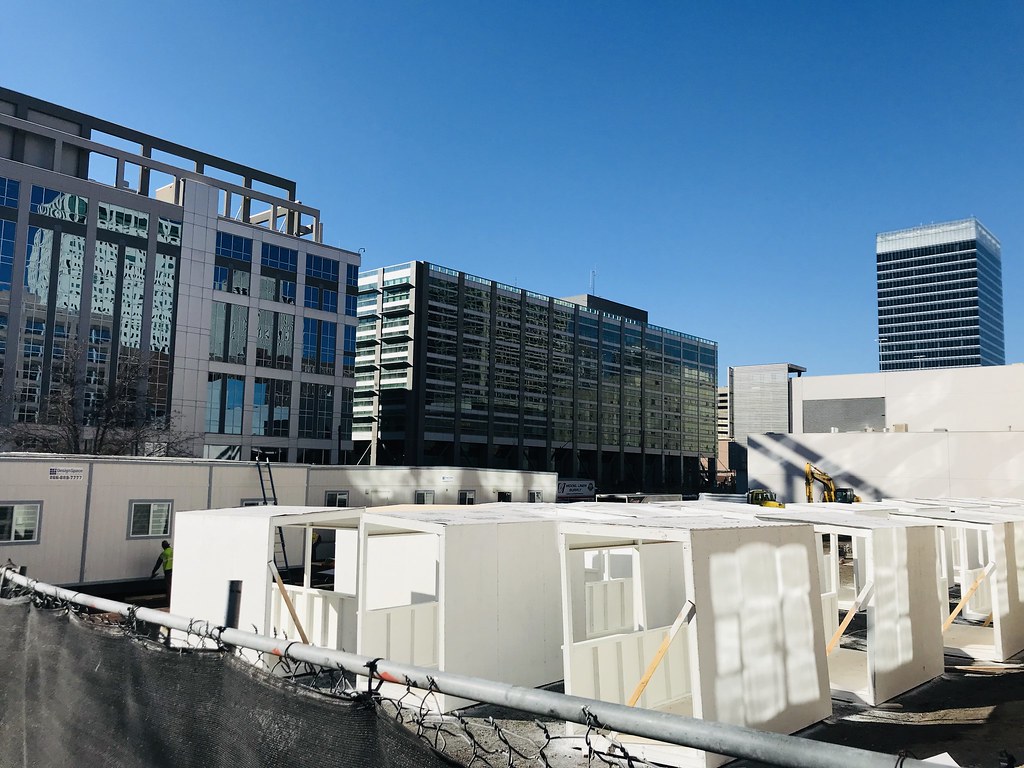
Recently completed Towneplace Suites (~150 W 200 S):

Pierpont Apartments (Pierpont Avenue and 300 W):
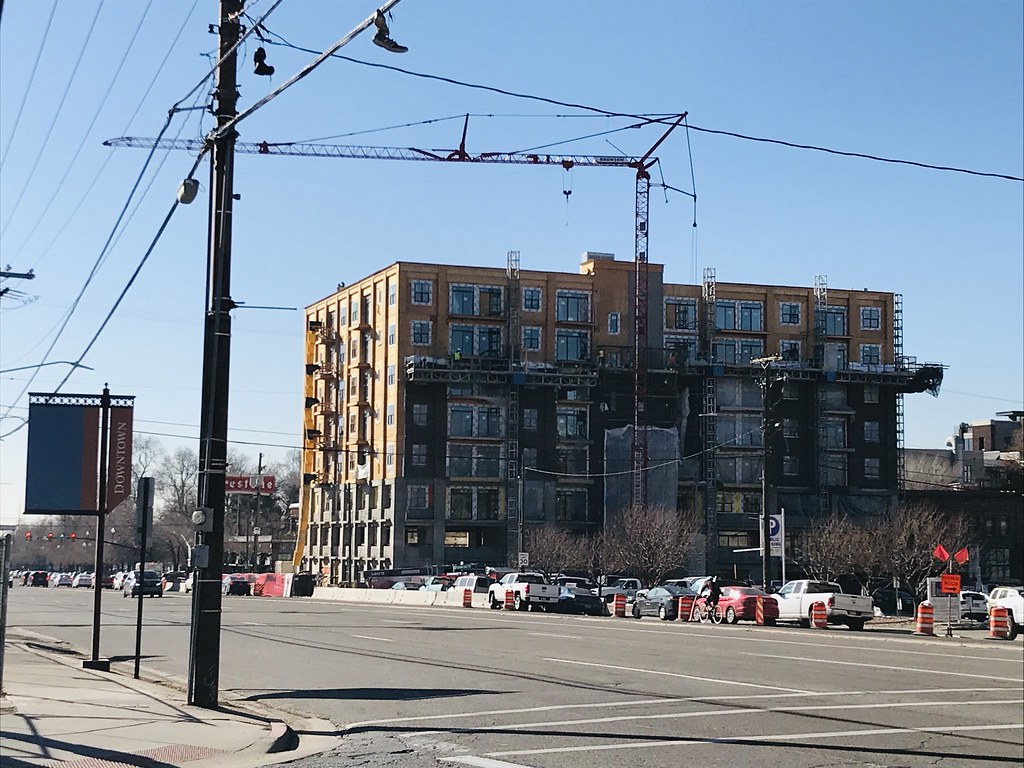
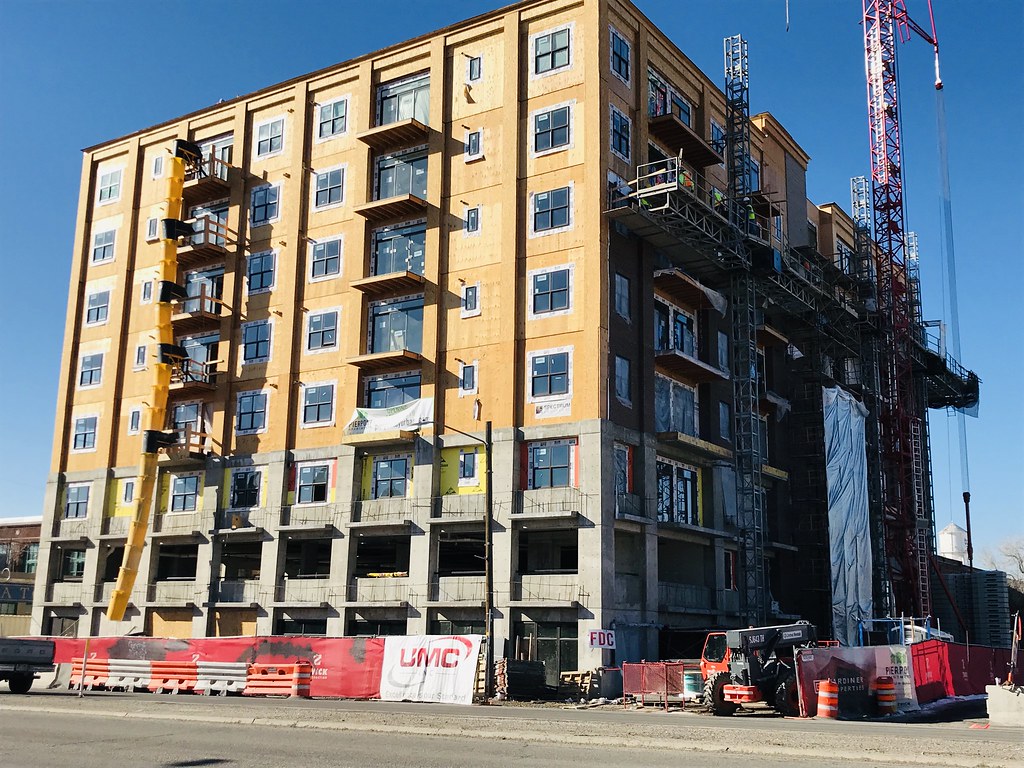
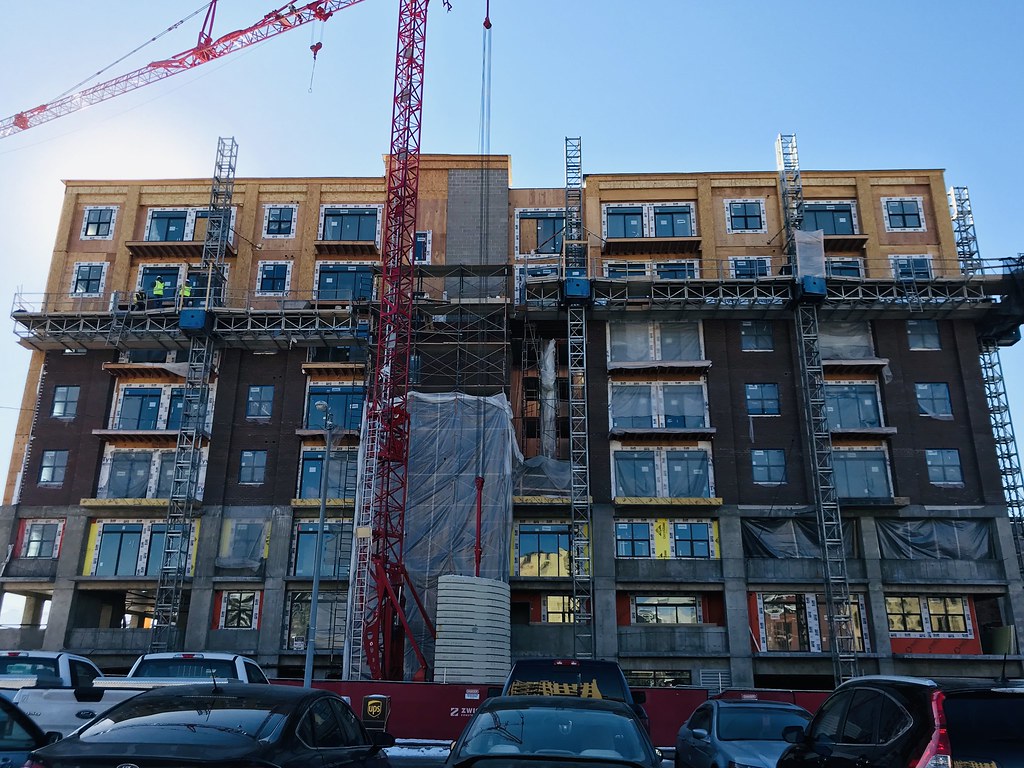
Skyhouse Apartments (NW corner of N Temple and 300 W):
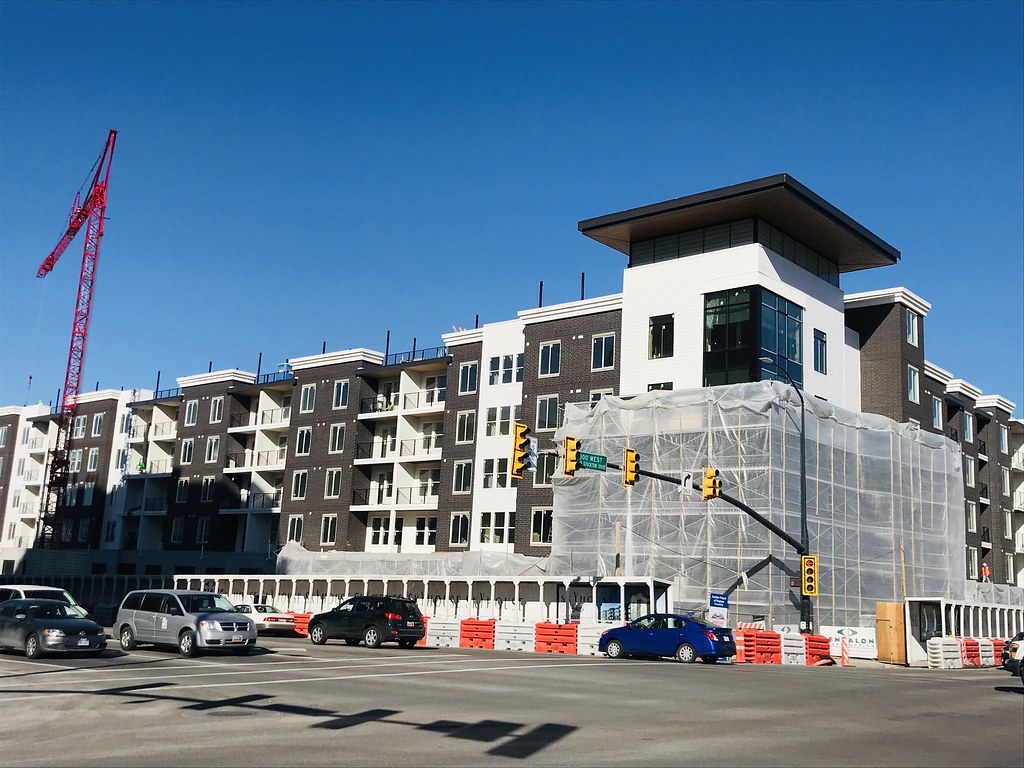
East Hardware Village (SW corner of 200 N and 400 W):
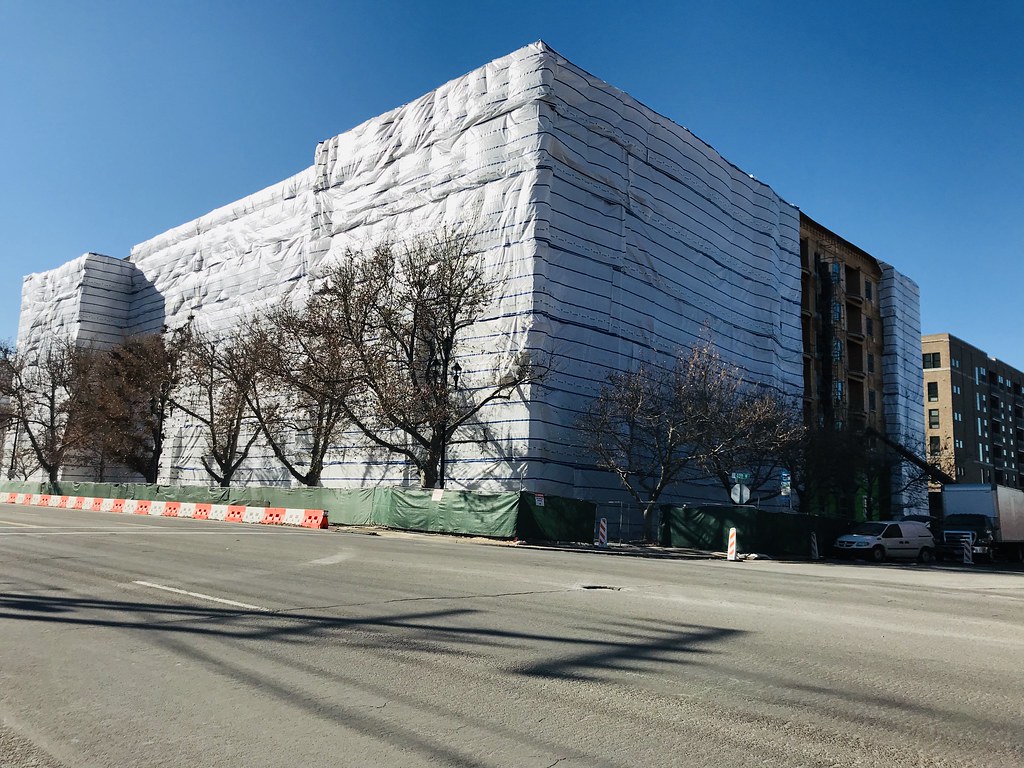
Garden Lofts (~150 W 600 S):

Liberty Square (~650 E 500 S):
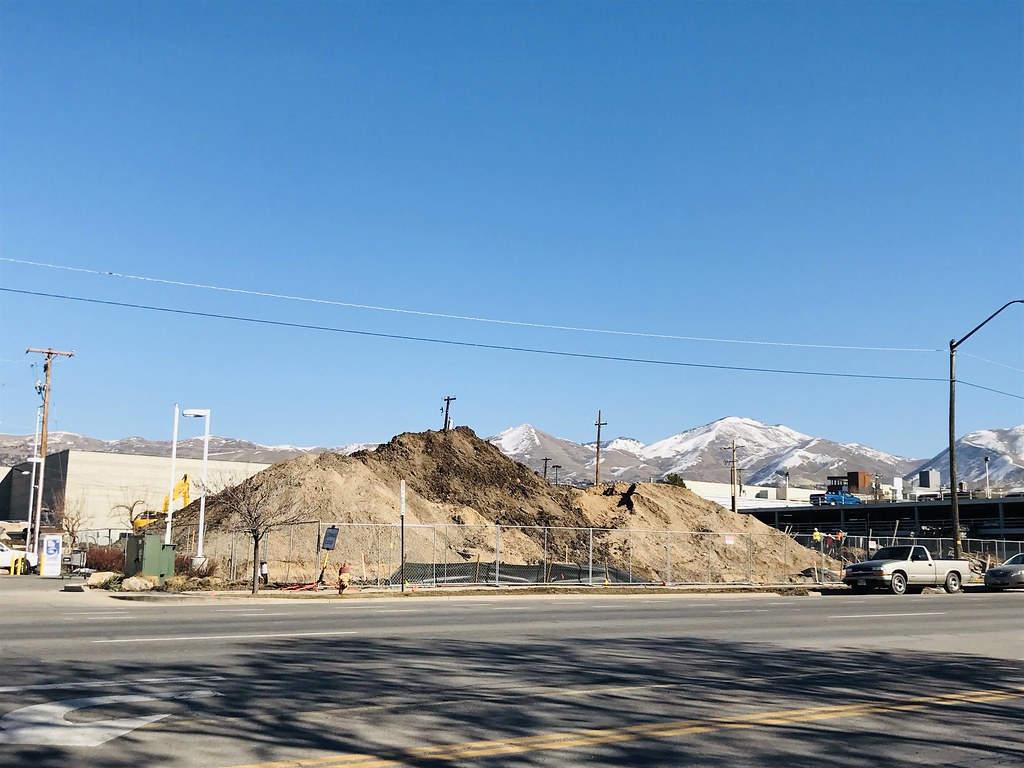
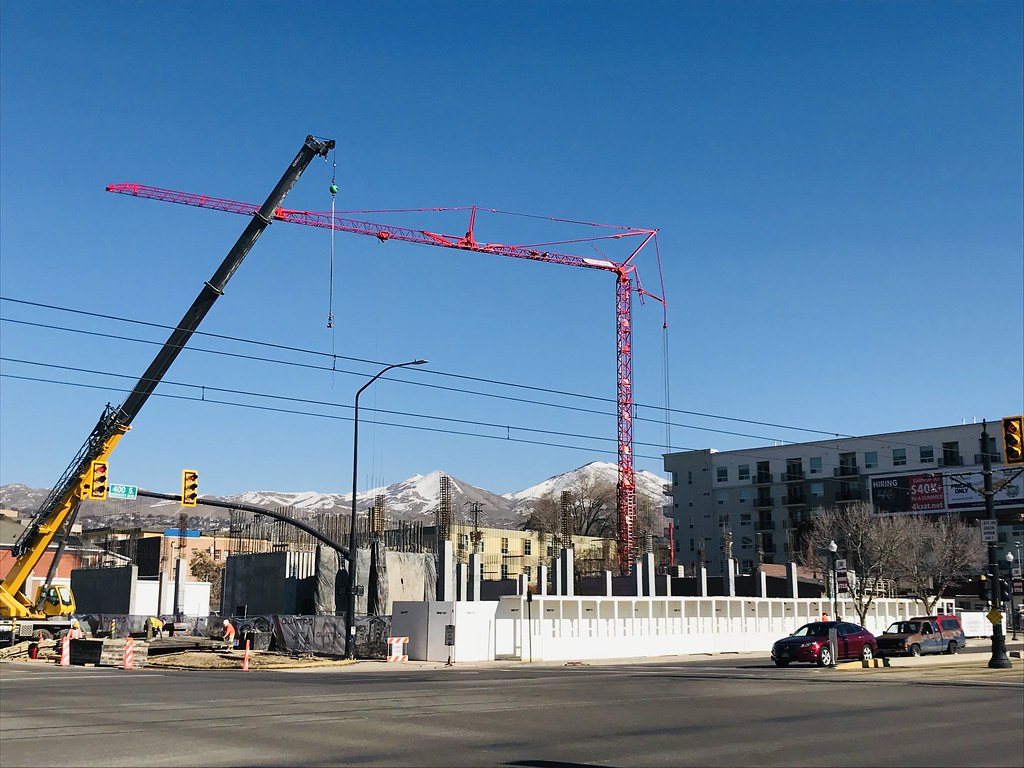
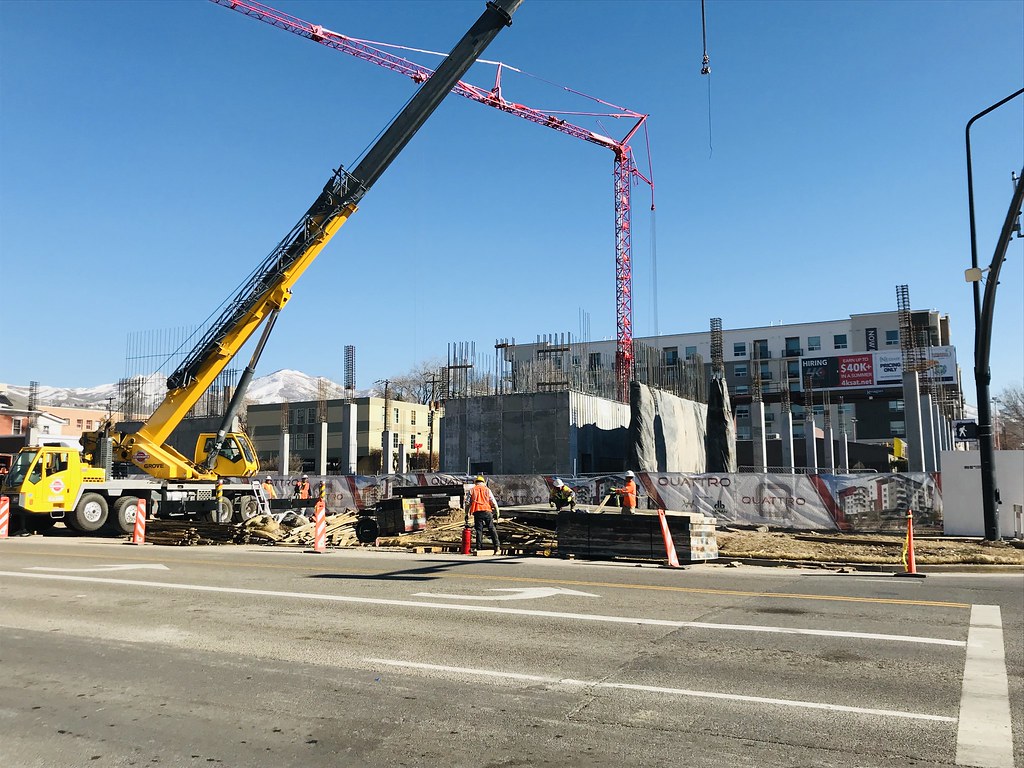
Quattro (NE corner of 400 E 400 S):
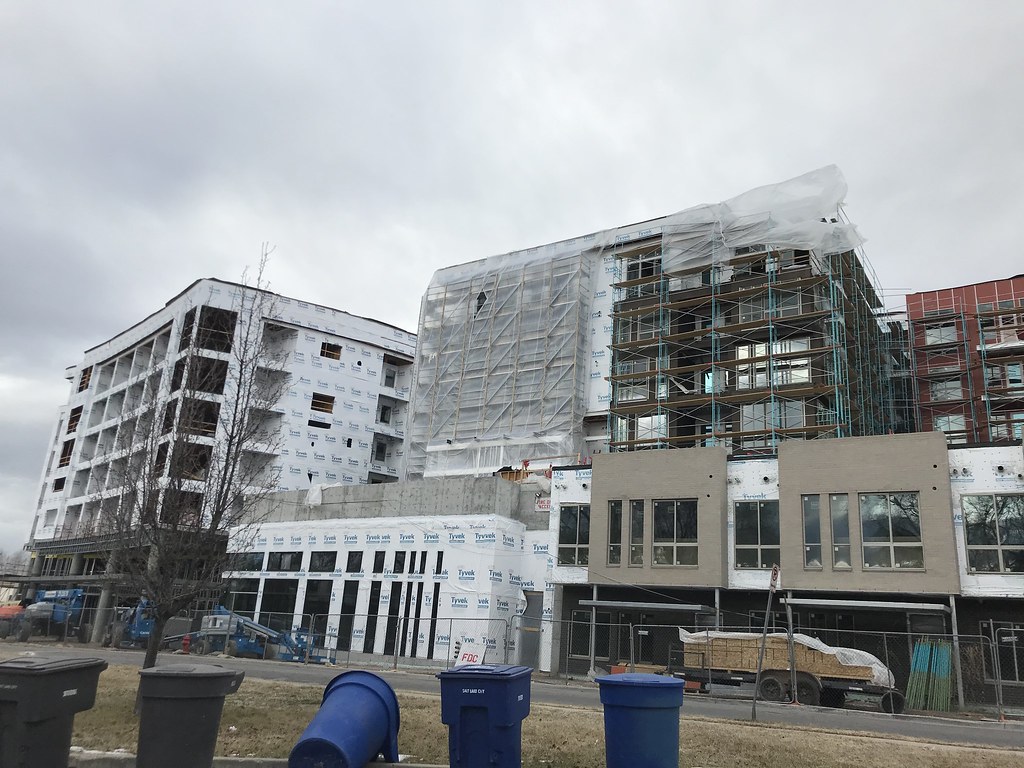
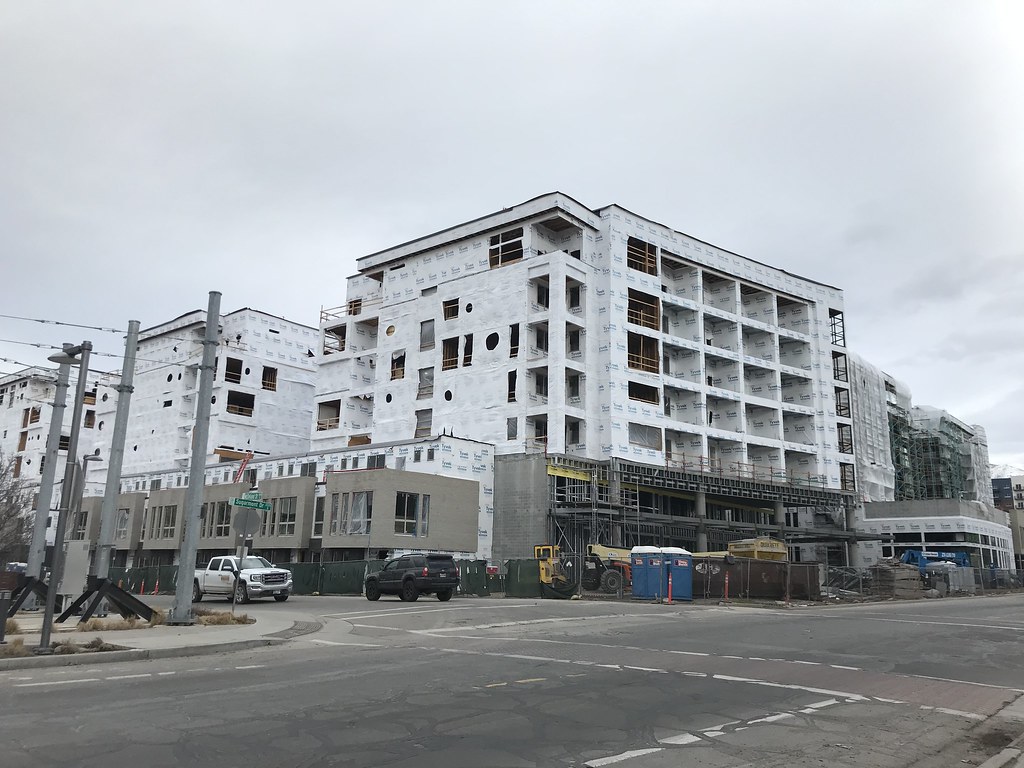
Sugarmont Apartments (Sugar House):
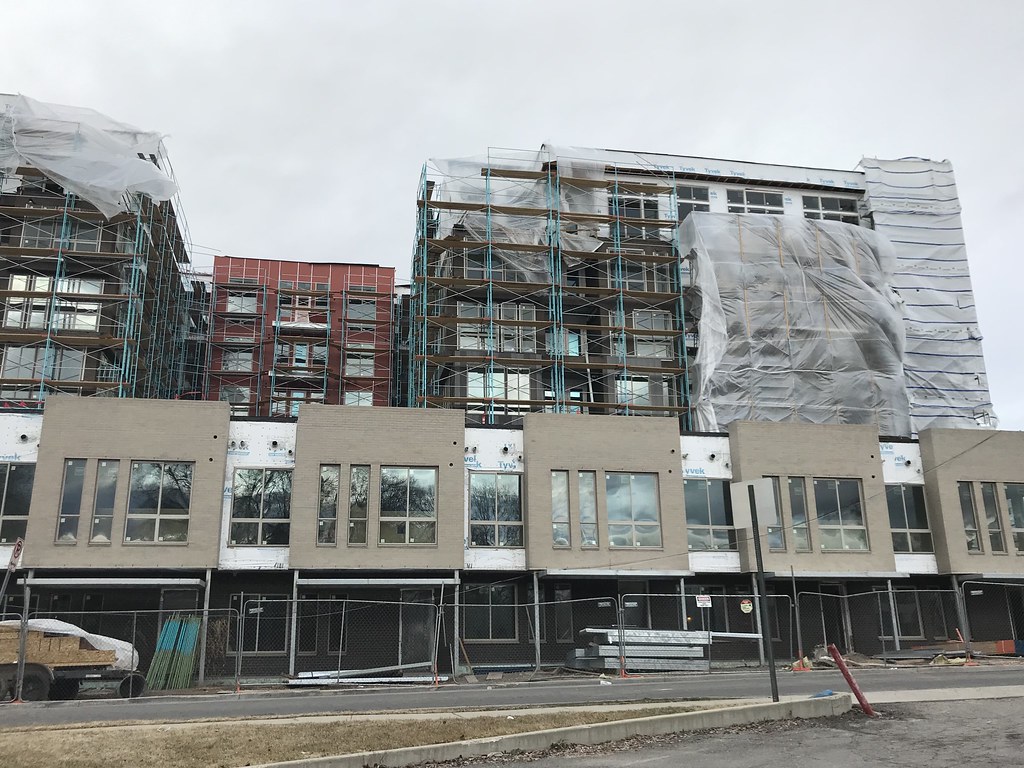
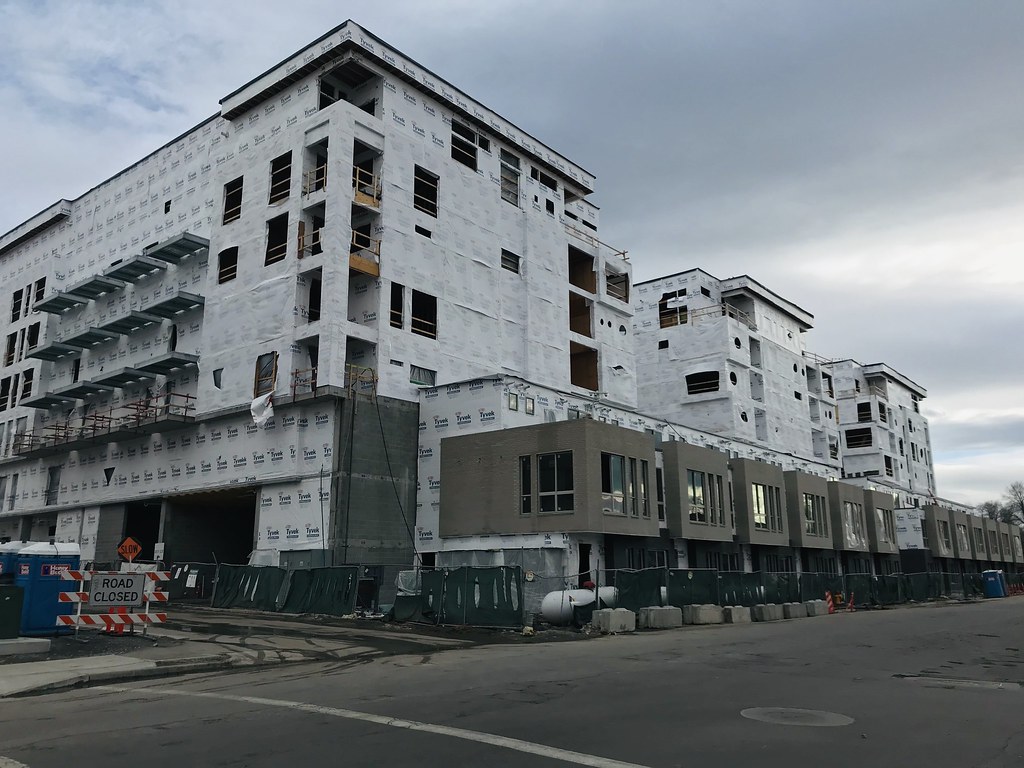


Springhill Suites (Sugar House):
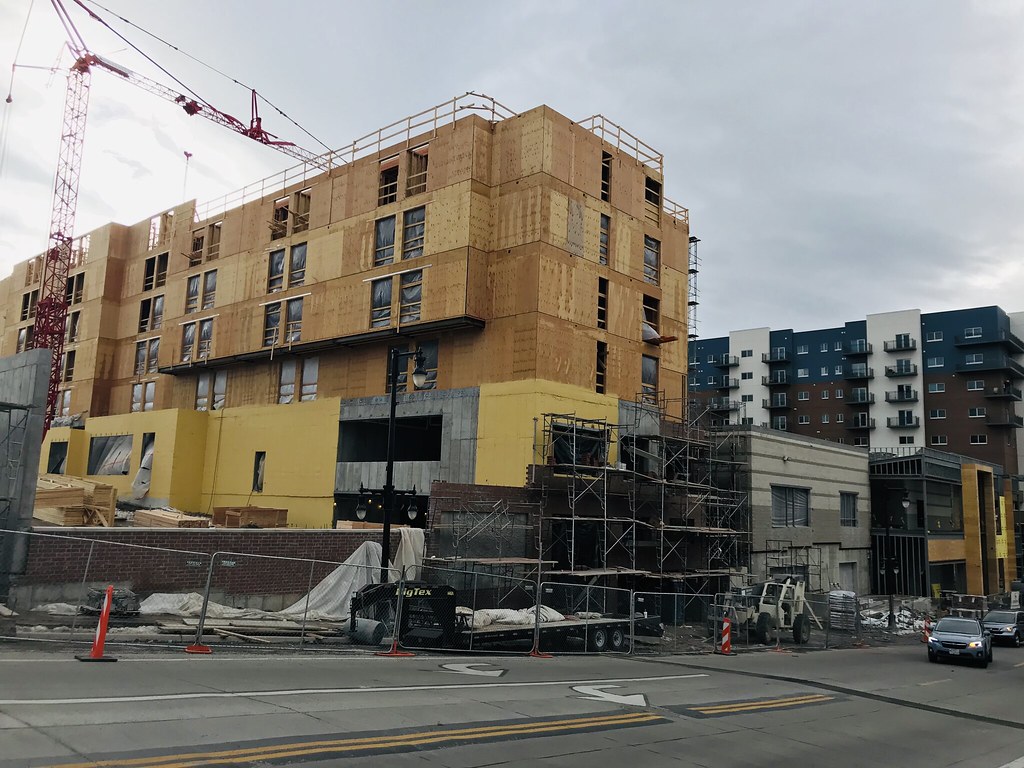

Park Avenue (Sugar House) Building 1:
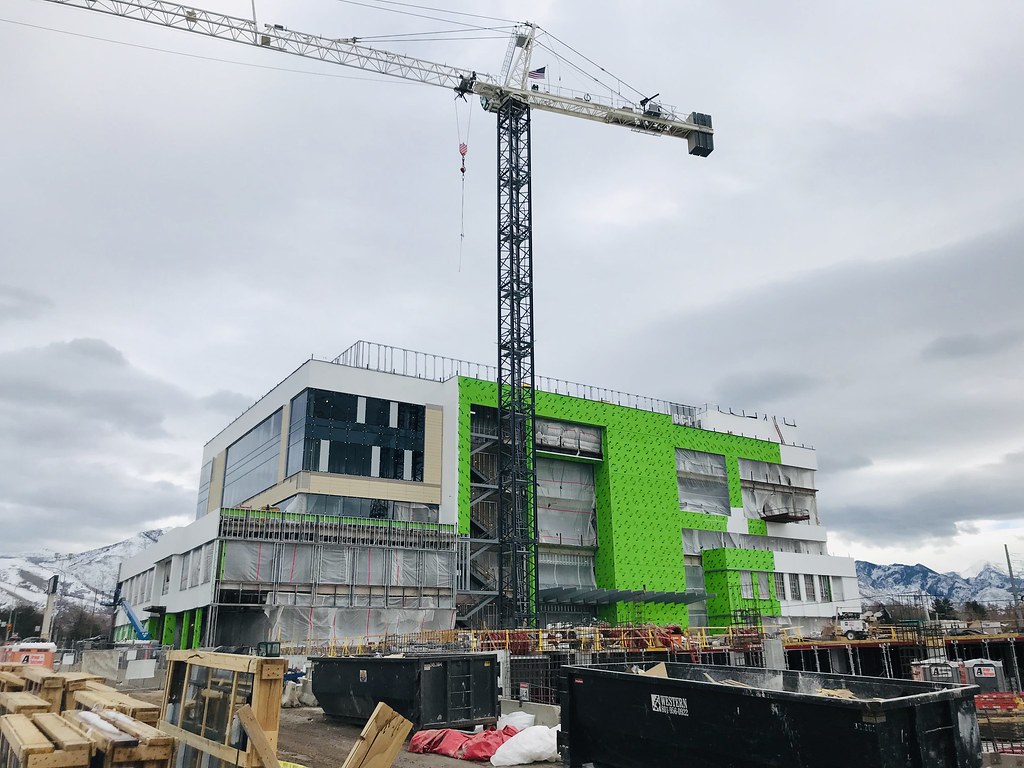
Park Avenue Building 2 and parking garage:
Hardison Apartments (SW corner of S Temple and 500 E):
4Forty7 (447 E 100 S):
The Morton (~250 S 200 E):
255 S State Street (RDA site) looks to be clear of old steel:
Tower 8 staging area, no action on Tower 8 site yet:
Recently completed Towneplace Suites (~150 W 200 S):
Pierpont Apartments (Pierpont Avenue and 300 W):
Skyhouse Apartments (NW corner of N Temple and 300 W):
East Hardware Village (SW corner of 200 N and 400 W):
Garden Lofts (~150 W 600 S):
Liberty Square (~650 E 500 S):
Quattro (NE corner of 400 E 400 S):
Sugarmont Apartments (Sugar House):
Springhill Suites (Sugar House):
Park Avenue (Sugar House) Building 1:
Park Avenue Building 2 and parking garage:
FullCircle
New member
Damn, nice reminder of how many housing projects are underway; thanks Airhero. Not a ton of innovative architecture or design, but lots of units to bring people into the city center full time. Hopefully it will help bring down, or at least slow down the increase in housing prices as well.
And I like the idea of a UofU campus or housing around the Gateway; good thinking Comrade.
And I like the idea of a UofU campus or housing around the Gateway; good thinking Comrade.
Orlando
New member
Great update! Much needed.
Btw, did anybody see this SLtribune editorial against high-density housing?
https://www.sltrib.com/opinion/commentary/2019/01/20/commentary-high-density/
Btw, did anybody see this SLtribune editorial against high-density housing?
https://www.sltrib.com/opinion/commentary/2019/01/20/commentary-high-density/
Commentary: High density will just make Utah housing crisis worse

Marvland
SLC Lifer
I'm from San Diego, Horton Plaza took San Diego's downtown from a haven for druggies and prostitutes and crime to what it is today; one of the most thriving downtowns in the country with restaurants, bars and entertainment.
San Diego is such a great example. I lived there years ago, back when downtown and Gaslamp were rough and I was just down there two weeks ago for the first time in a while. We had all sorts of plans but ended up staying in Little Italy the whole weekend. We had a blast. Their food and beverage scene is strong and some of the build outs are next level, some of the most impressive restaurant and bar spaces anywhere. They don't any super tall towers but have good density and a great distinctive set of neighborhoods, each playing to its strength. Greta model of urban renewal and development.
Damn, nice reminder of how many housing projects are underway; thanks Airhero. Not a ton of innovative architecture or design, but lots of units to bring people into the city center full time. Hopefully it will help bring down, or at least slow down the increase in housing prices as well.
I think I've done a pretty good job of tracking new developments and construction has actually slowed slightly from the last few years.
Within SLC boundaries:
Completed in 2018: ~2500 Units
Currently Under Construction: ~1900 Units
Planned: ~5000 Units, though I estimate only 3000-3500 of those will move forward over the next couple years, but new developments might pop up to bring the total number up to around 4000 over the next couple years.
Always Sunny in SLC
New member
It's too bad the University of Utah can't get in on the Gateway - maybe open up a mini-campus in some of that area. Build some housing around there - or partner with development for housing. It would be a perfect fit as the area gravitates more toward being an entertainment option over a retail option.
Yes. This is a great idea.

FullCircle
New member
Great update! Much needed.
Btw, did anybody see this SLtribune editorial against high-density housing?
https://www.sltrib.com/opinion/commentary/2019/01/20/commentary-high-density/
Huh, that's a different perspective. I'm no expert in this field, but I think it's important to remember that correlation doesn't prove causation. Dense cities (in the U.S. at least) do have higher housing prices than sprawling, less dense cities, but which is cause and which is effect? Do housing prices increase because of the desirableness of an area, thus it gets built out such that higher density is necessary in order to address demand? Or is it that high density housing is de-facto more costly than low density?
Also, it seems to me that sprawl tends to have more externalization of cost than dense development, for developers at least, so that would be more due to the current system of regulation than reality of the differing development patterns. I'd love to read a perspective from anyone who has more knowledge about this subject and wants to weigh in on the article.
Always Sunny in SLC
New member
Great update! Much needed.
Btw, did anybody see this SLtribune editorial against high-density housing?
https://www.sltrib.com/opinion/commentary/2019/01/20/commentary-high-density/
I did see that and to clarify it is a guest editorial and not the SL Trib editorial board just in case people wonder. This guy is one of the people who fought the Olympia Hills development and I think his org is kind of taking the fight state wide. My guess they are lobbying the state now. My first reaction was anger, but I think he makes important points that poorly planned density will not accomplish what we want.
As far as the study he quotes from the CATO institute, keep in mind that this is a libertarian think tank that is very anti "smart growth" and anything they deem not free market capitalism as they define it. I am pretty familiar with their past arguments and while they make some good critiques of planning, zoning, etc., they are not intellectually honest about the subsidies and preferential treatment in zoning cars are given. I also think it is funny to use an org that is against zoning as a general rule as a way to argue against a property owners ability to build as she/he sees fit, which is what CATO would advocate.
The study, I think is right, in that the cities that have been building the most density are the same cities that have had the biggest increases in housing prices. This correlation, which he tries to imply proves causation, is way too simplistic to make a determination. In order to prove causation you would need to look at other factors such as population growth, overall land use policy, geographic constraints, regulations that may drive up cost to build, etc.
Bottom line it is too simplistic to just look at one part of the supply side, but ignore the other policies that effect supply and not factor in demand. In all other industries when demand increases faster than supply you get price increases. This happens in industries that can meet demand relatively quickly and that are largely unregulated. So it isn't shocking when it happens in an industry where the process of building is slow and highly regulated. It would not surprise me if demand is the culprit in these cases. My guess is demand from in migration and natural growth drives price increases which then trigger policies to increase density, but that process is slow, laborious and has to navigate the many regs from cities and counties. These cities also tend to be very mature cities with far less "easy" land to develop.
Another issue is the fact that a raw piece of land on the edge of town is very easy to develop and move quickly on. These infill developments are probably by nature way more difficult to pull off and therefore more pricey. This topic is so large that I haven't even discussed the large car and road subsidies that hid the costs of suburban growth and skew these studies.
Always Sunny in SLC
New member
Huh, that's a different perspective. I'm no expert in this field, but I think it's important to remember that correlation doesn't prove causation. Dense cities (in the U.S. at least) do have higher housing prices than sprawling, less dense cities, but which is cause and which is effect? Do housing prices increase because of the desirableness of an area, thus it gets built out such that higher density is necessary in order to address demand? Or is it that high density housing is de-facto more costly than low density?
Also, it seems to me that sprawl tends to have more externalization of cost than dense development, for developers at least, so that would be more due to the current system of regulation than reality of the differing development patterns. I'd love to read a perspective from anyone who has more knowledge about this subject and wants to weigh in on the article.
You made all my points just more succinctly. :haha:
FullCircle
New member
You made all my points just more succinctly. :haha:
Ha! But you made them much more thoroughly. I think the regulation aspect is interesting. If this article is from a libertarian think tank, then yeah, it would seem that them arguing against a developer's preference to build densely would be internally inconsistent. But is there a case here for a less regulated approach to density in cities? By which I mean, clearly it is more difficult to go through the planning and approval process for a midrise downtown than it is for a cul de sac in Eagle Mountain, which would raise the costs for the downtown development, and therefor drive up the housing prices for the individuals renting/buying in the downtown property. Of course, lack of regulation can lead to more chaotic/inappropriate development, so there's a trade off. Hypothetically, the market could dictate that if developers built shabby, inappropriate, or otherwise undesirable developments then people won't live there, but often people in the real world will take whatever housing they can get, so it seems to me that there is a pretty reasonable argument for at least some regulation. Does anyone know of real world examples of cities with very strict zoning and cumbersome regulation versus a more laissez faire paradigm? Is one cheaper than the other, and also is one a more "livable" city than the other?