Quote:
|
Originally Posted by poconoboy61
5 Points is also one the historically black neighborhoods in Denver, and there is absolutely no sign of that in these pictures. There are several plaques and landmarks on Welton Street depicting this history that were clearly ignored by some guy trying to again paint Denver is some glossy, touristy light. If you are going to create a pictorial of a gentrified neighborhood, the least you can do is takes some photos of the very people you're clearly running out of their own neighborhood. Get real.
|
In your rush to judgement I think you forgot to actually view the photos OR read the commentary. A common illness among those that already know everything.
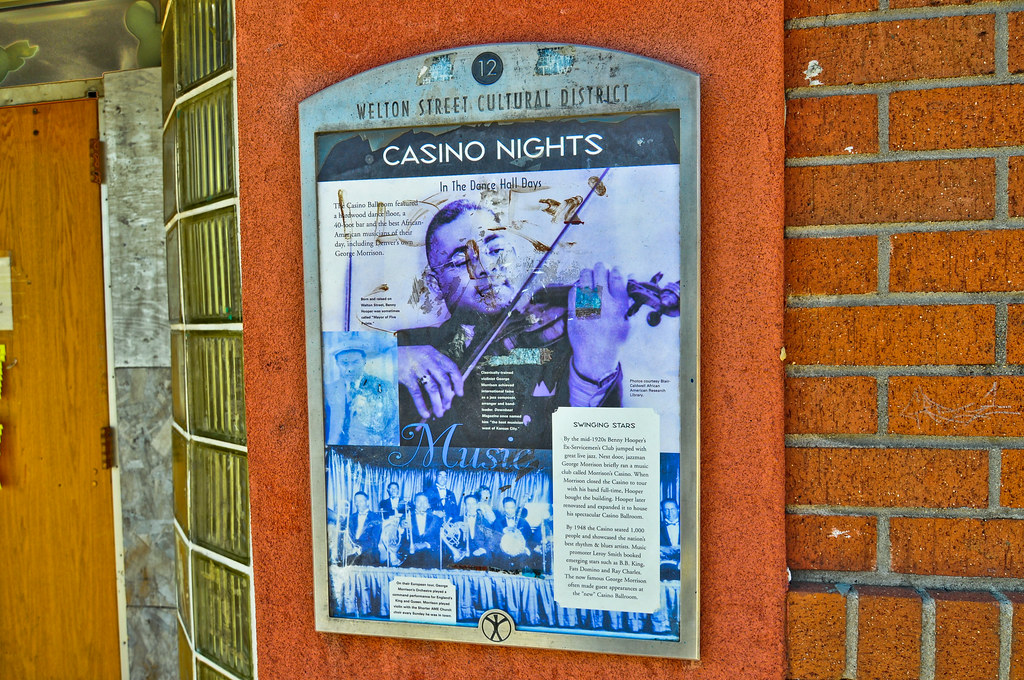
Do you mean these plaques? I simply copied and pasted these shots and the commentary unabridged from the thread. I would agree that someone is indeed clearly ignoring things here.
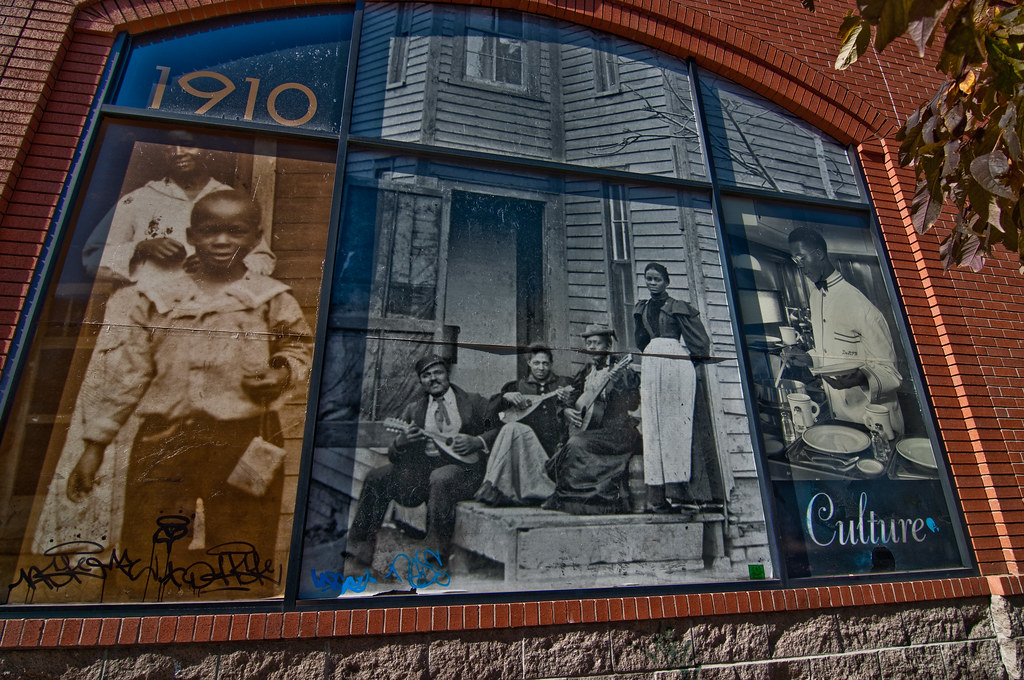
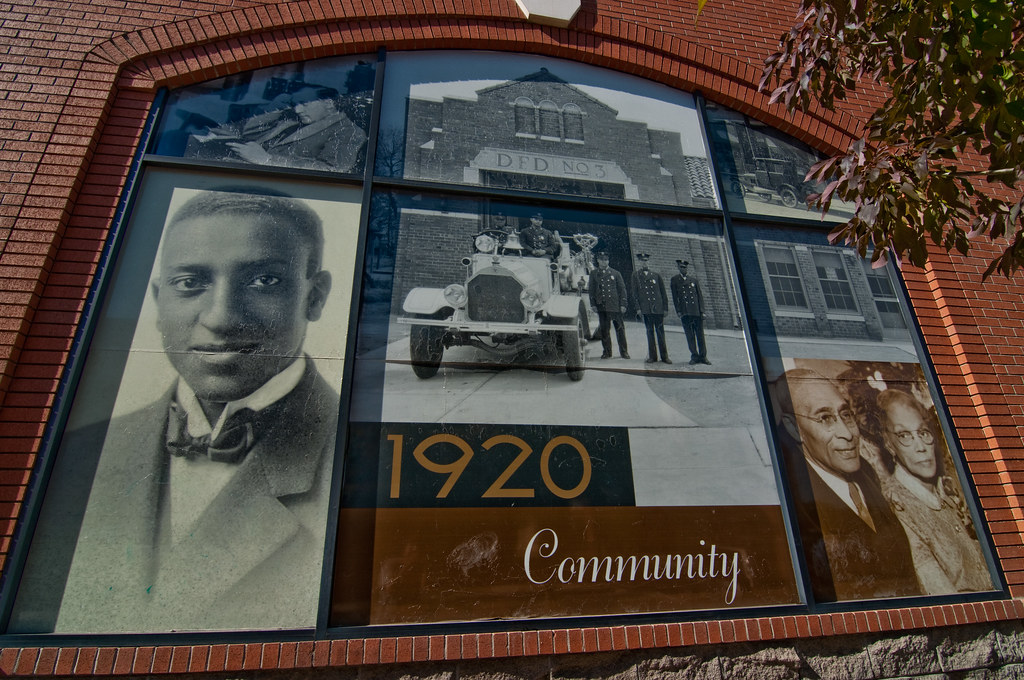
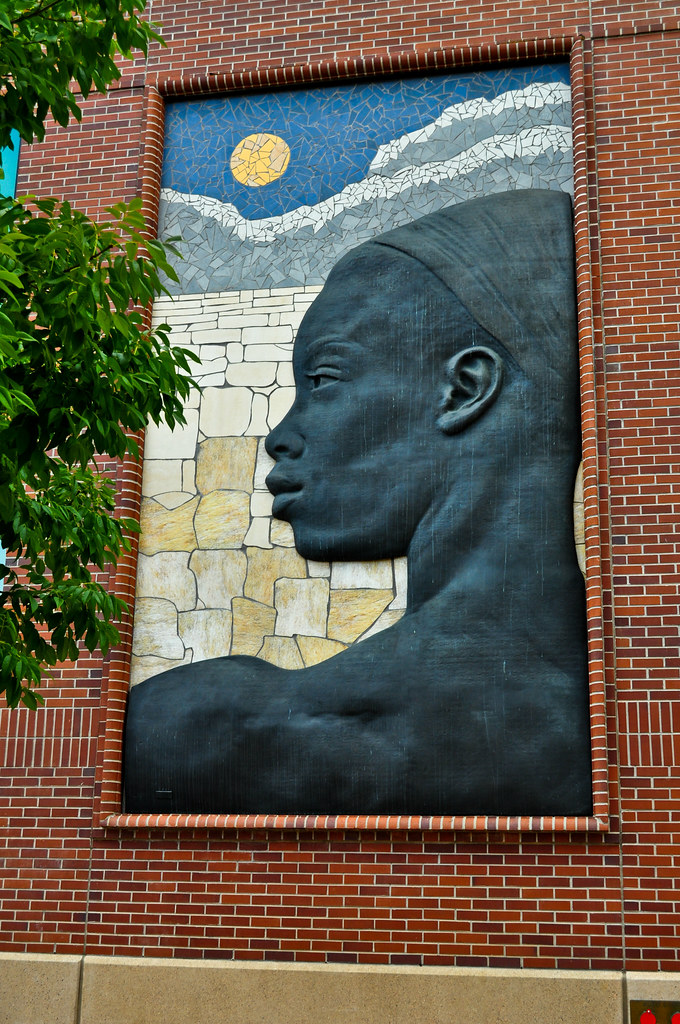
Denver’s African American Community has a proud history dating back to pioneer miners, cowboys and railroaders. Five Points saw a major influx of black residents between 1911 and 1929 when housing developments sprang up elsewhere in the city. These new homes with their modern conveniences such as electrical wiring, plumbing, and garages, attracted many away from older neighborhoods. About the same time, the city extended Broadway, a major north-south artery, through older black neighborhoods. These two factors provided both the impetus and the opportunity for a population shift. Five Points soon became the focal point of activities in a community of nearly six thousand African American residents.
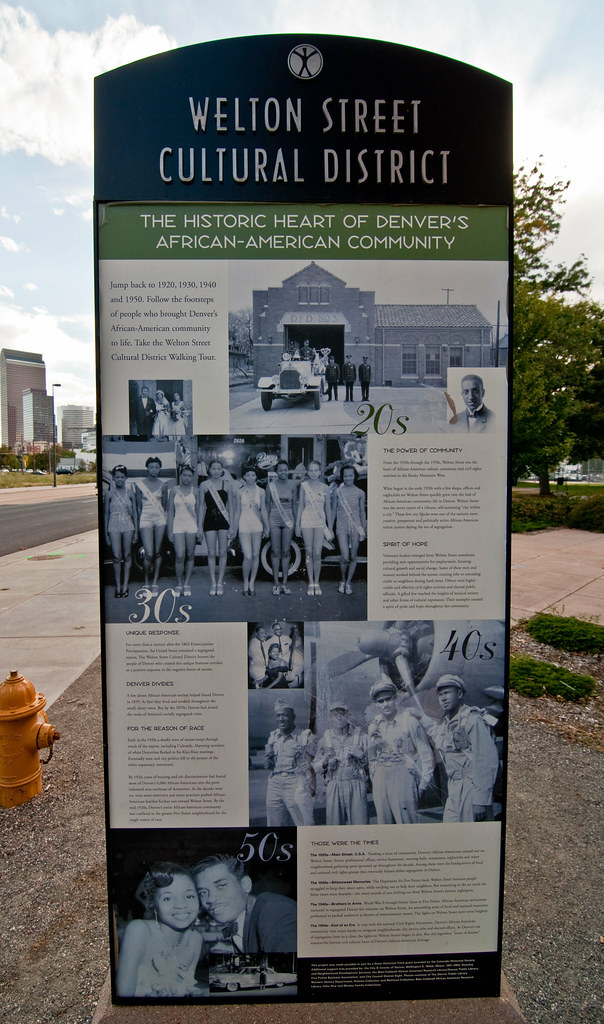
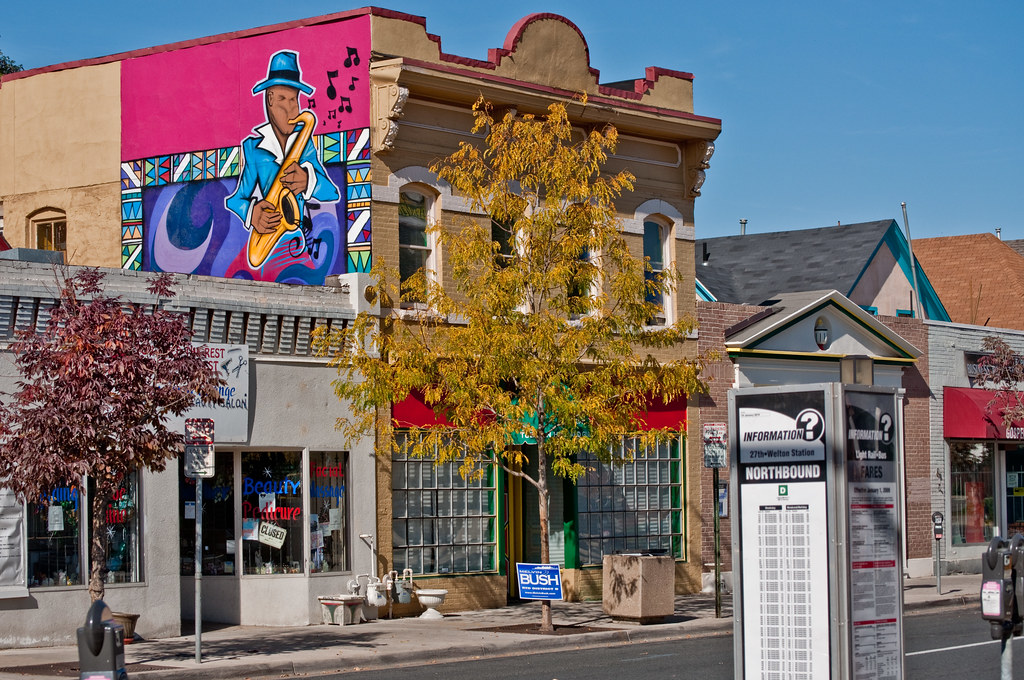
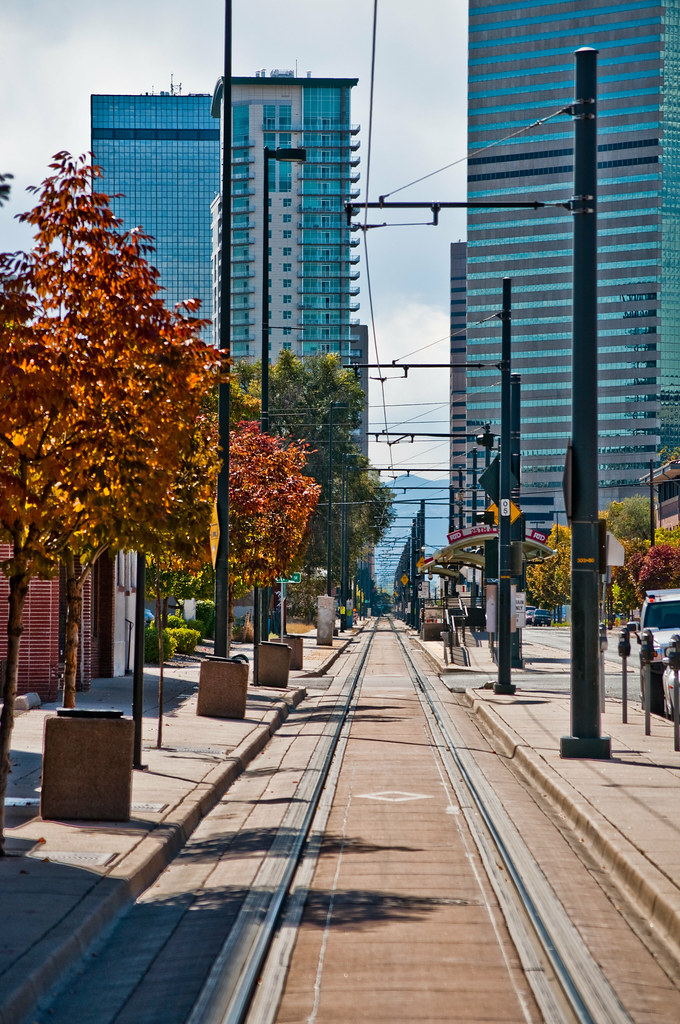
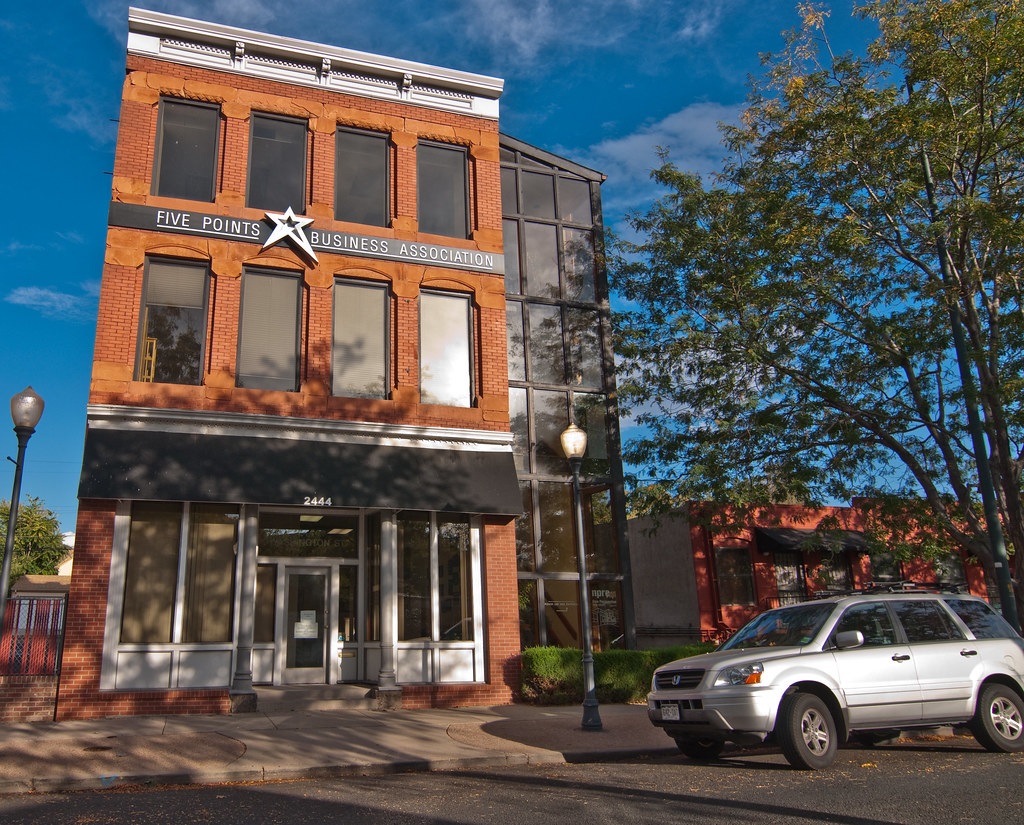
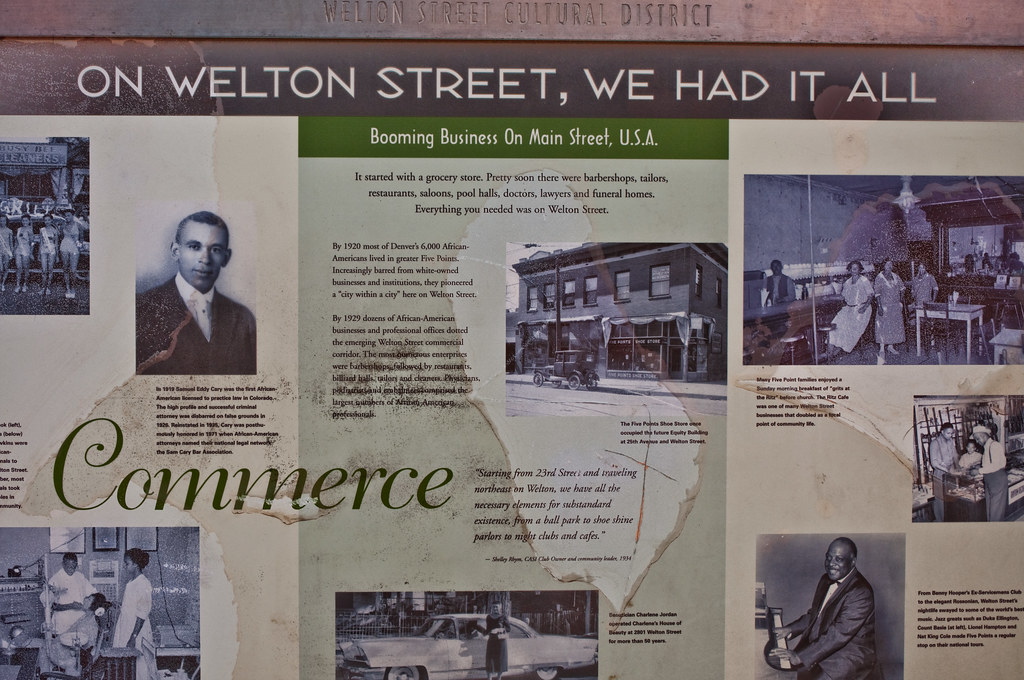 The Welton Street Corridor is the focal point and central gathering place for the surrounding neighborhoods of San Rafael, Curtis Park, Cole, Whittier and the broader Five Points community.
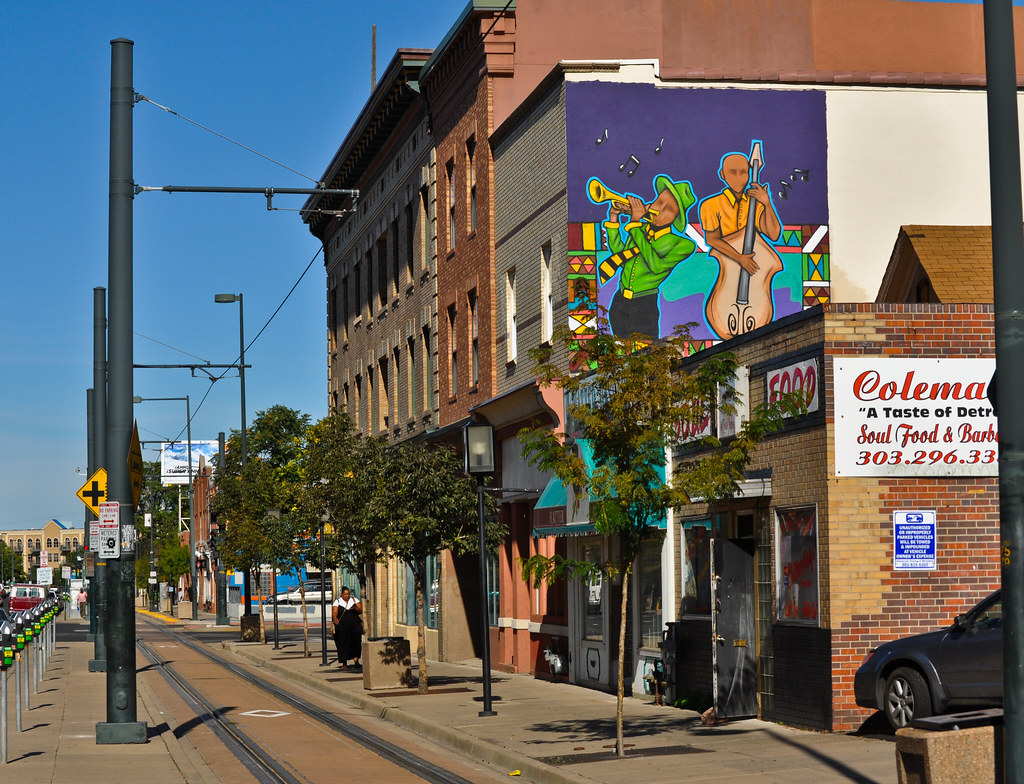
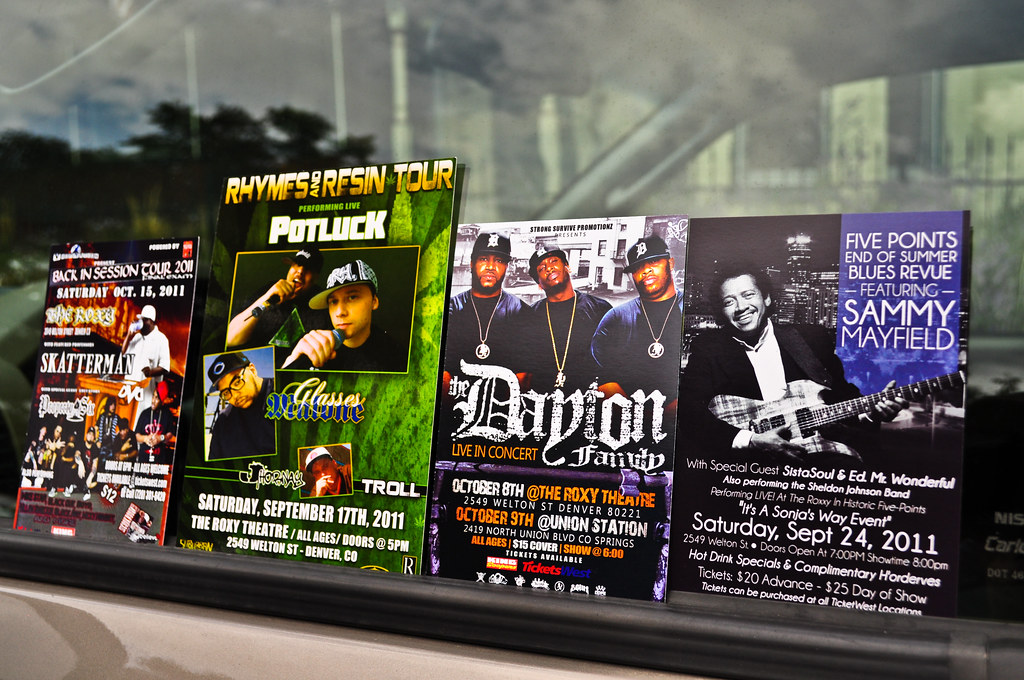
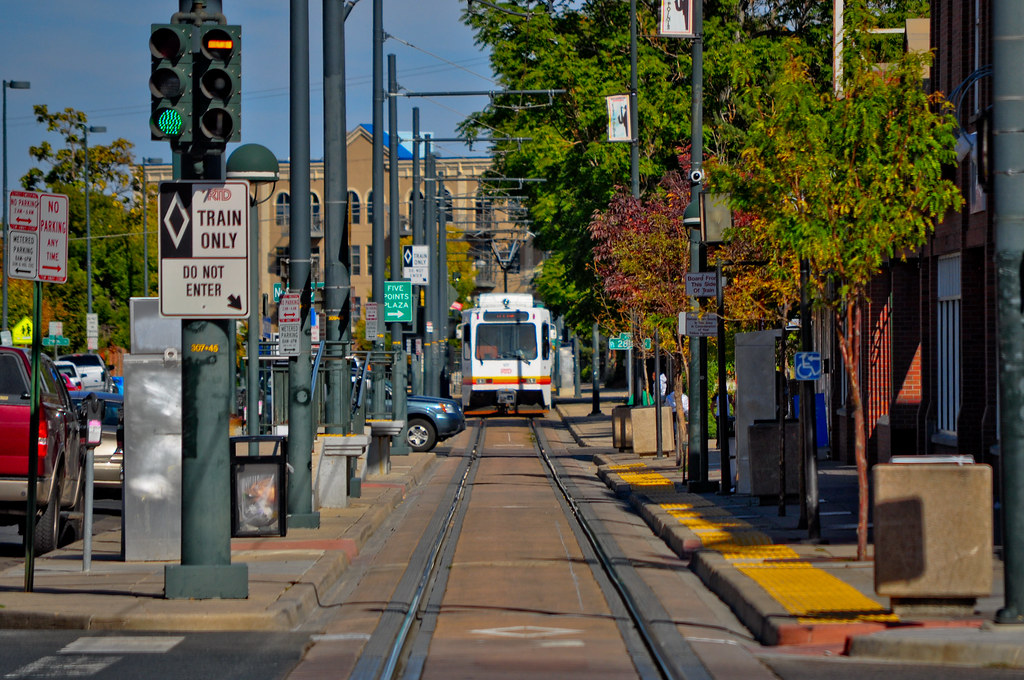 Five Points, for some, is considered the "Harlem of the West" due to its long jazz history. It was the first predominantly African American neighborhood in Denver, and in the '30s, '40s and '50s, was home to over fifty bars and clubs, where some of the greatest jazz musicians performed, such as Billie Holiday, Duke Ellington, Miles Davis and many others. Two prominent places served as the hub.
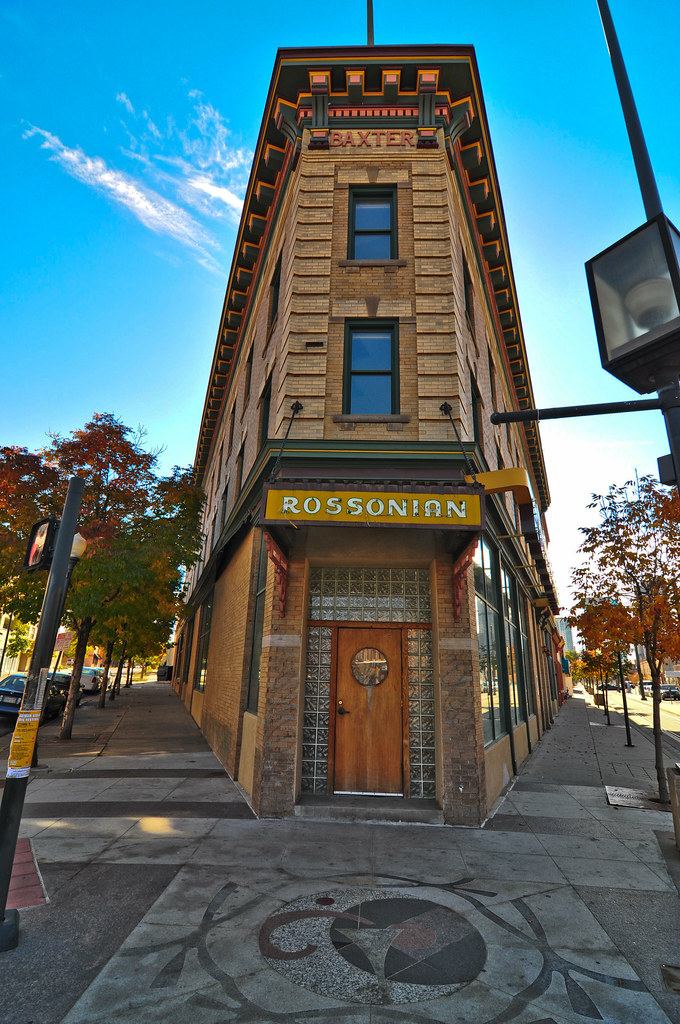
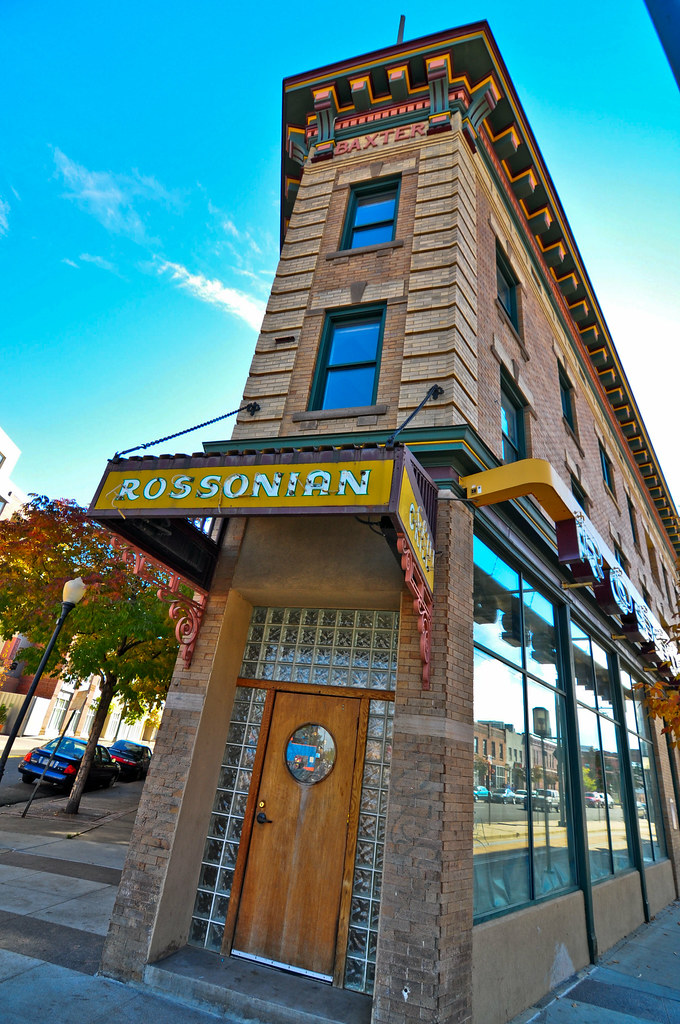
 The Rossonian Hotel, constructed in 1912 as the Baxter Hotel, sat at the heart of Denver’s Five Points community. With a name change in 1929 and the establishment of the Rossonian Lounge, the hotel became one of the most important jazz clubs between Kansas City and Los Angeles. Jazz greats such as Duke Ellington, Louis Armstrong, Count Basie, Nat King Cole, George Shearing, and Dinah Washington stayed at the hotel and entertained in the Rossonian Lounge between their major Denver engagements. These shows were often staged after the musicians finished their scheduled performances at the same Denver hotels that refused them lodging due to the racial segregation existing at the time.
 "At lilac evening I walked with every muscle aching among the lights of 27th and Welton, feeling that the best the white world had offered was not enough ecstasy, not enough life, joy, kicks, darkness, music, not enough night." - Jack Kerouac, On The Road

 In the 1930’s, Benny Hooper opened the Casino Dance Hall (now the Casino Cabaret) next door to the Ex-serviceman’s Club. The Casino evolved into a two-story hall with balcony seating for 1,000, a 40-foot-long bar, and a huge hardwood dance floor. At the time, it was the largest and most luxurious of all the Five Points jazz clubs. During the good years, the Casino swung to the music of Brook Benton, James Brown, Ray Charles, Fats Domino, George Morrison, Muddy Waters, and other musical legends. Other prominent clubs were the Rainbow Room, the Rose and the Roxy where Sammy Davis Jr. used to host amateur night as well as Lil’s which was the premier after hours club.
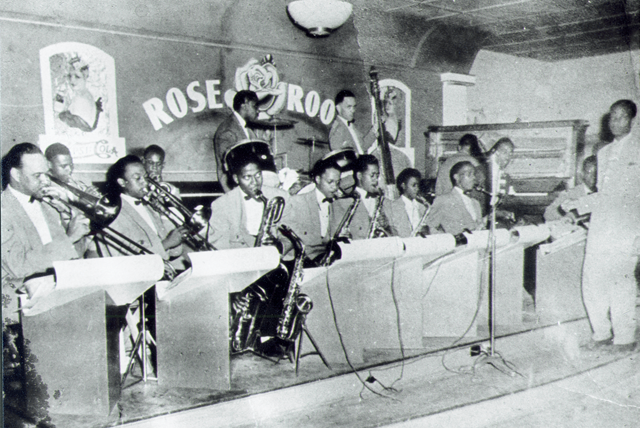
Denver Public Library, Western History Collection
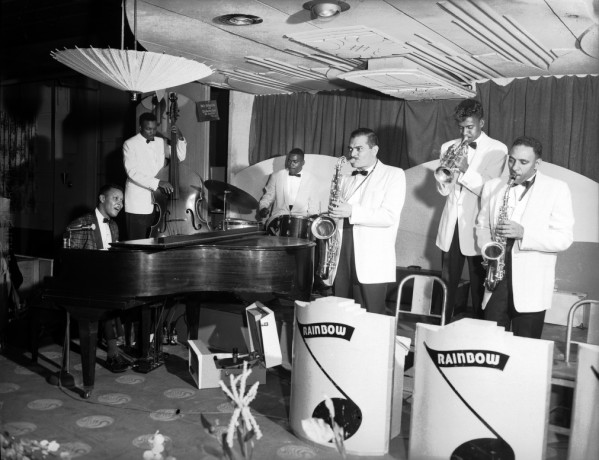
Denver Public Library, Western History Collection
 Denver’s own George Morrison was the ‘God Father’ of jazz in Denver (far right photo). In the 1920’s Morrison recorded with Columbia Records and gave command performances for the King and Queen of England. He directed Mamie Smith’s first blues recording and toured with the famous Pantages vaudeville circuit. Morrison’s band included some of the greats - Jelly Roll Morton, Jimmy Lunsford, and Andy Kirk. He owned the original Casino Club as well as a club in Golden.
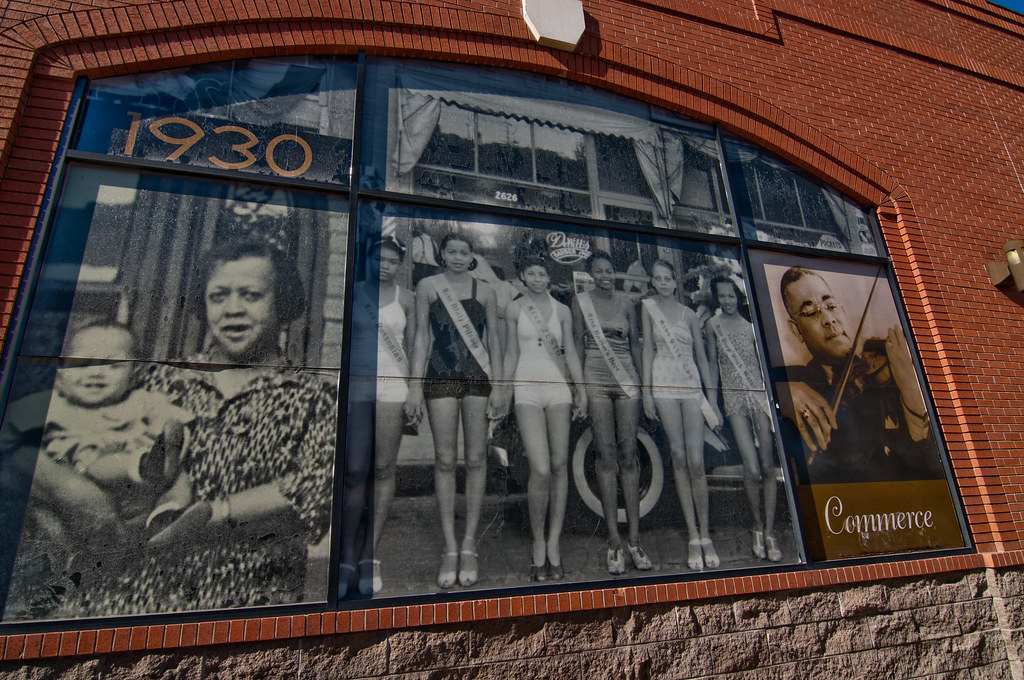
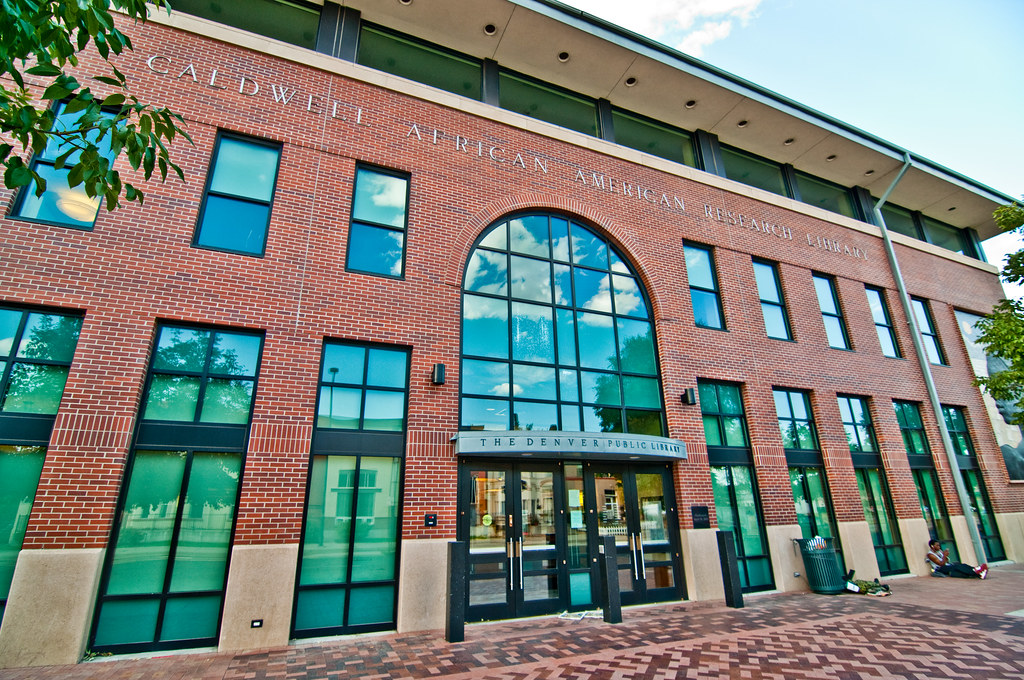
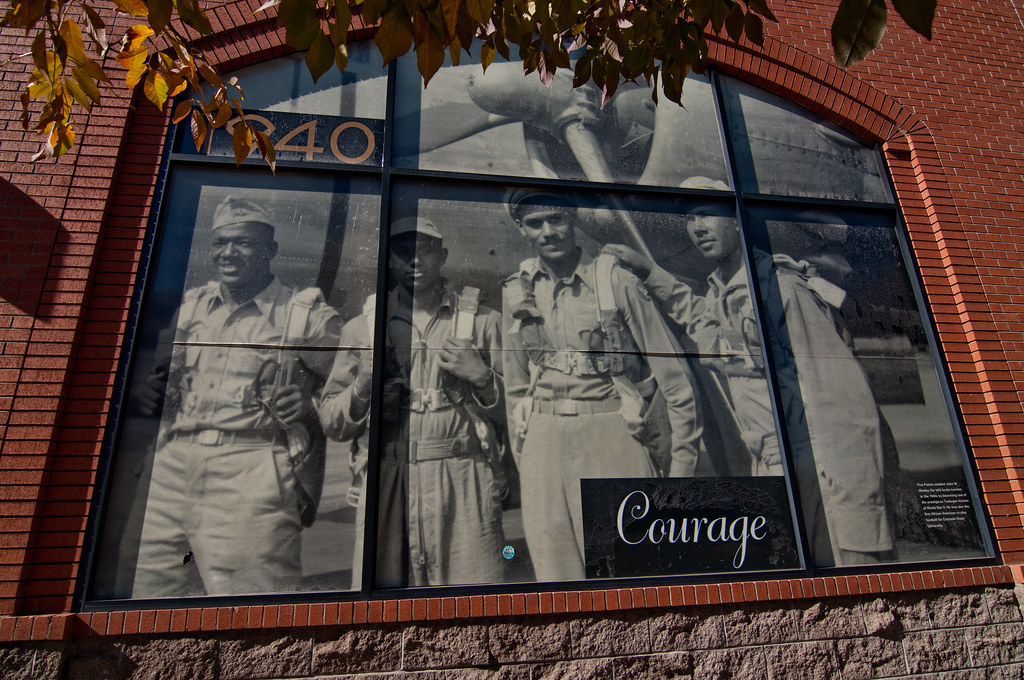 While the demographics of the neighborhood are changing, Five Points' African-American heritage is still celebrated by the Black American West Museum and Heritage Center, the Cleo Parker Robinson Dance Ensemble, as well as the Blair-Caldwell African American Research Library. A number of African-American churches and businesses are still landmarks in the community. And Denver's Juneteenth and Five Points Jazz Festival draws over 100,000 people every year.
Quote:
|
Originally Posted by poconoboy61
You clearly have never been to Tucson, or "Tuscon" as you call it, so I would not talk about it as if you have ANY experience with it. "Tuscon" at least is honest about what it is. "Tuscon" at least has residents who have enough pride and respect for its neighborhoods not to conveniently gloss over their character to advance some agenda. Why do you feel the need to water down Denver's character? Isn't it a bland enough, Middle American city without added propoganda?
|
Oh but I have - three times to be exact. Once for five days that I'll never get back and twice for spring training games. I lived for two years in Phoenix and had a friend studying in Tucson. Alas, the Rockies have moved on and I don't foresee any reason to return. Interesting factoid - when I lived in Phoenix I leased property from Rick Neuheisel's mom (wonderful woman) who at the time either owned or was running the Shalimar golf club and she let me and my roomates play all the rounds we could stand for free. Good times. My two years in Phoenix I also won't get back, but it taught me an invaluable lesson and inspired my love for urbanity and a vow never to dwell another day in a suburban wasteland. I don't really know much about Tucson, however there were only 35,752 inhabitants in 1940. That tells me that most of the cities growth occured post WWII and therefore was built when the suburban, strip-mall type model was in favor.
Last edited by CPVLIVE; Feb 17, 2012 at 10:12 PM.
|