
You are using an out of date browser. It may not display this or other websites correctly.
You should upgrade or use an alternative browser.
You should upgrade or use an alternative browser.
Winnipeg | Civic Government & City Affairs
- Thread starter thurmas
- Start date

Winnipeg SunKlein pledges to repeal blanket zoning rules, restore neighbourhood input
By Winnipeg Sun Staff Oct 16, 2026
Winnipeg mayoral candidate Kevin Klein is promising to repeal the city’s blanket zoning changes and replace them with what he calls a “made-in-Winnipeg” approach to housing and density.
City council approved zoning changes in 2025 allowing up to four residential units on most lots and permitting buildings of up to four storeys near high-frequency transit under certain conditions.
The changes were connected to Winnipeg’s agreement with the federal government under the Housing Accelerator Fund.
Klein said his plan would retain opportunities for new housing while restoring greater public notice and neighbourhood input for significant density increases in established areas.
“Housing is essential. So is the right of residents to have a genuine say in how their streets, blocks, and neighbourhoods change,” Klein said.
Under his proposal, the city would speed up approvals for projects meeting established standards and support so-called missing-middle housing in appropriate areas near transit, amenities and major routes.
Secondary suites, duplexes and some multi-unit developments would continue to be permitted, while factors such as building height, setbacks, parking, traffic and infrastructure capacity would be considered.
Klein also wants the city to encourage housing development on vacant lots and in distressed neighbourhoods near downtown while promoting private homeownership and family-sized housing.
He pointed to Calgary’s decision to revisit its own blanket rezoning approach as evidence municipalities can reconsider zoning policies while continuing to participate in federal housing programs.
Klein said Winnipeg should pursue federal housing funding without giving up meaningful neighbourhood input.
“Winnipeg does not have to choose between building more homes and protecting the right of residents to have a say in how their streets change,” he said.
winnipegfreepressFour councillor candidates vie for wide-open Fort Rouge-East Fort Garry ward
Malak Abas
Sunday, Oct. 18, 2026
One of Winnipeg’s most densely populated wards is up for grabs come election day.
Four candidates are in the running in Fort Rouge-East Fort Garry, with the councillor position wide open after area Coun. Sherri Rollins announced in July she would be withdrawing her candidacy.
Journalist Brook Jones, hospitality worker and union organizer Carson Mauthe, city planner Jeff Palmer and retired finance worker Kevin Stuart have thrown their hats in the race.
Palmer has worked as a city planner for more than 20 years, in both the non-profit and private sectors, including CentreVenture and the University of Winnipeg Community Renewal Corporation.
Seeing fewer people living in and visiting downtown has worried him, and he pointed to the recent closure of two city-run arenas in Winnipeg as a key example of one of the things he wants to change.
“Investing in our urban neighbourhoods, infrastructure — not just physical infrastructure, but social infrastructure,” Palmer, 55, said.
“Maintenance is not a sexy topic, but it comes up at the doorstep more often than you might think. People are tired of our city assets falling apart around us.”
Palmer has lived in the central ward for 26 years. He ran for city council in 2018, coming in second behind Rollins. He had already registered to run before Rollins bowed out.
“I always joked that I saved my lawn signs just in case I was ever to run again,” he said.
Maintaining existing housing and building more homes is a priority for Palmer. He said he supports a managed encampment model as a “short-term solution” to connect people to the resources they need.
“People want the basics done,” he said.
“Throughout the ward, people are very aware and familiar with the issue of the lack of housing, homelessness, people living in tents … we are not addressing the issue the way that it needs to be addressed, we need to provide more housing, we need more supports in place.”
In his time organizing workplaces and within Winnipeg’s local arts scene, Mauthe has used his work “as a platform for activism (and) for social progressive causes.”
Running for council, he said, is another extension of that work, especially in a ward as large and economically diverse as Fort Rouge-East Fort Garry, where he has lived for six years.
“I think what’s not really discussed writ large from most of the other candidates, not just in my ward but the whole city, is the issues of renters and shift workers,” Mauthe, 35, said.
For example, he said, the Winnipeg Transit network overhaul has been particularly difficult for people in the ward who work in nightlife and have been forced to pay for expensive taxis or rideshare services since the change last year.
“I’m coming at it through a workers’ lens, a labour organization lens, and with the prospect of almost a completely new city council that’s actually ripe for bringing in fresh and new ideas,” he said.
Mauthe also said he would advocate for divesting from police funding should he be elected, in hopes of directing funding to social causes.
“As far as I’m aware, I’m the only candidate who is vocally expressing that we need to directly divest from the Winnipeg police to actually fund proactive support systems,” he said.
Kevin Stuart moved from Jamaica to Winnipeg 15 years ago, settling in Fort Rouge-East Fort Garry. The 56-year-old said he was moved by how community-oriented the area is, but also said Winnipeg feels “behind the times” compared to other Canadian cities.
“I come from the financial world where you have to make very large, meaningful decisions with not all the information, not perfect information,” he said.
“And I think one of the things that I feel, which is why I joined and wanted to be a councillor, is that we seem to be both studying lots of things, we seem to be deferring lots of decisions, we seem to be as a city knowing that we have to do certain things, but not actually committing to them in in a meaningful way.”
He promised to push to bring a light rail transit system to Winnipeg if elected. While he acknowledged we would be “many decades” away from implementing one, he described it as the kind of forward-thinking idea he wants to focus on.
“This is something that has, I think, delayed the growth of the city, the financial well-being of the city, the livability of the city immensely over the last many decades, and we really have to start to put shovels in the ground,” he said.
Brook Jones has spent much of his career as a multimedia journalist and freelance photographer. Most recently, he has worked as a freelance photographer for the Free Press for the last three years.
He lives about 350 metres outside of the Fort Rouge-East Fort Garry ward boundaries, but said he’s spent his entire life working within and serving the community.
Jones, 48, has spent several decades in different roles in sports and recreation programs, and is currently the director of communications at the Fort Garry Community Centre. He was the centre’s president in 2002.
Maintaining, protecting and improving those programs is a priority for him.
“Those amenities (are) what makes a healthy community healthy, and people want to see that … you know, the city is struggling financially, apparently (in) a deficit, but they have $130 million for a new recreation space in Waverley West,” he said, referring to the upcoming South Winnipeg Recreation Campus.
Jones ran for city council in 2002 (coming in second after Jenny Gerbasi) and 2004 (coming in fifth; Donald Benham was elected that year). He ran for school trustee in the Pembina Trails School Division by-election last year and came in fourth behind Samantha Pope, who is running for re-election this year.
His experience running in and covering elections has shown him there is much that can be done to better the ward and city, Jones said.
“I look back at my old brochures from ‘02 and ‘04, and a lot of the issues and things I campaigned on 24 years ago, 22 years ago, are still there for our ward,” he said.
“I want to definitely be that advocate for the needs of our residents for the entire ward, and also for the entire city.”
Election day is Oct. 28.
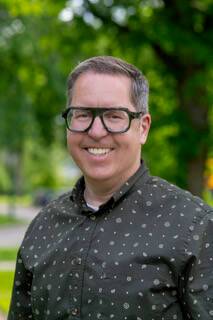
SUPPLIED
Jeff Palmer

SUPPLIED
Carson Mauthe
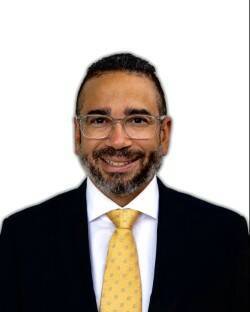
SUPPLIED
Kevin Stuart

SUPPLIED
Brook Jones
neutroniks
Active member
A Kevin Klein add for Winnipeg...IYKYK.

He used AI slop and somehow made Winnipeg look even worse. Hopefully this will just turn people off from him even more. That being said, has anyone seen how ridiculous Brad Gross' AI posters have been? Absolutely atrocious.

Spocket
Back from the dead
He used AI slop and somehow made Winnipeg look even worse. Hopefully this will just turn people off from him even more. That being said, has anyone seen how ridiculous Brad Gross' AI posters have been? Absolutely atrocious.
Maybe next time he can slap Winnipeg on a photo of Toronto or New York.
A Kevin Klein add for Winnipeg...IYKYK.
Campaign blunder: Klein features wrong city in election video
Malak Abas
Monday, Oct. 19, 2026
A paid ad from mayoral candidate Kevin Klein on his commitment to Winnipeg has been pulled after commenters noticed one small error: the footage used in the ad was actually of Edmonton.
The 55-second video is rife with Edmonton landmarks, including one shot that appears to feature the Alberta legislature’s visitor centre, and another with the 100 Street Funicular, a popular tourist attraction in Edmonton.
The ad, which was published to Meta users last week including those on Facebook and Instagram, focuses on safety concerns in Winnipeg and bureaucratic red tape impacting local businesses, with Klein appearing at the end.
It has since been deleted by Klein’s campaign, but archival data from Meta shows it was online starting Oct. 15 and cost around $1,000.
Klein described the error as an “honest mistake” from their staff videographer that his campaign team caught while at a bonding event held at a Manitoba Moose game.
“Our campaign is fully committed to Winnipeg, and we absolutely want to showcase our beautiful city in our videos,” he said in an email Monday.
“This was an unintentional error, and we take it seriously … we had reached out to our videographer (who is a local of Winnipeg) and he explained it was a simple mistake made while editing late into the night. He adjusted and we moved on with our day.”
Mayor Scott Gillingham’s campaign spokesperson derided the ad as “lazy” and suggested Klein “spends a lot of time attacking Winnipeg, but can’t be bothered to use actual Winnipeggers or scenes of the city in his own ads.”
“We know Kevin Klein hasn’t spent much time downtown, but we didn’t realize it had been so long that he’s forgotten what it looks like,” Colin Fast said.
“Scott Gillingham has spent the last four years working to attract $1.8 billion in new investment to downtown Winnipeg. Kevin Klein apparently needs Google Maps to find it.”
A new version of the ad was uploaded to Klein’s Instagram account Sunday featuring footage that is distinctly of Winnipeg, but not before some online caught on to the error.
One social media user said he was left confused after noticing the original ad, which came up while he was scrolling Instagram, lacked any major Winnipeg landmarks.
“If somebody wants to run for mayor of Winnipeg, at a bare minimum, they should know what our city looks like,” the user, who asked to remain anonymous, said in a message to the Free Press.
“In an age where A.I. misinformation is constantly dominating our social media feeds, it’s disappointing that a leading candidate for mayor couldn’t do the bare minimum to verify the content that he’s putting out.”
When asked if A.I. was used for the ad, spokesperson for Klein’s campaign said the error was made by a human being, and “anyone suggesting otherwise is inventing a narrative that does not exist.”
Campaigning is a high-pressure, fast-moving time that sometimes leaves room for mistakes, said University of Winnipeg political science professor Malcolm Bird.
He noted he hopes voters focus on more urgent issues in Winnipeg, like downtown safety, and which candidates have tangible plans to fix those issues.
“Campaign offices are really busy places. They don’t have a lot of resources, they don’t have a lot of time, everything’s really shoestring,” he said.
“And that’s not a criticism, you’ve a month or a few weeks to go, you don’t have a lot of resources, you’re doing the best you can, you’re trying to get your message out there, so these things are going to happen.”
winnipegfreepress
Winnipeg Jets co-owner publicly backs a mayoral candidate despite regretting doing so years ago
Chipman said he was 'uncomfortable publicly endorsing a politician' after 2014 election
Justin Fiacconi · CBC News · Posted: Oct 19, 2026

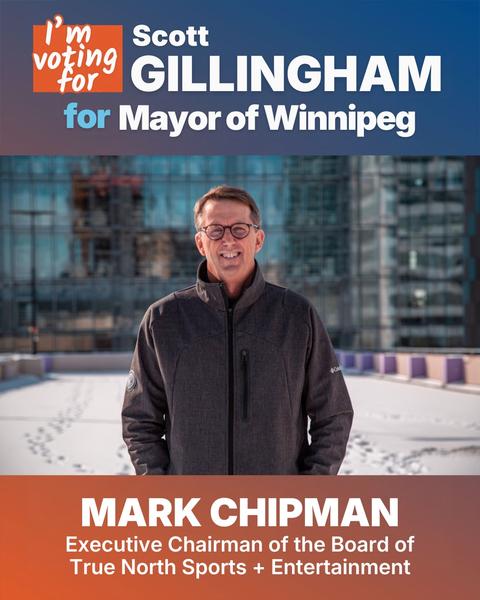
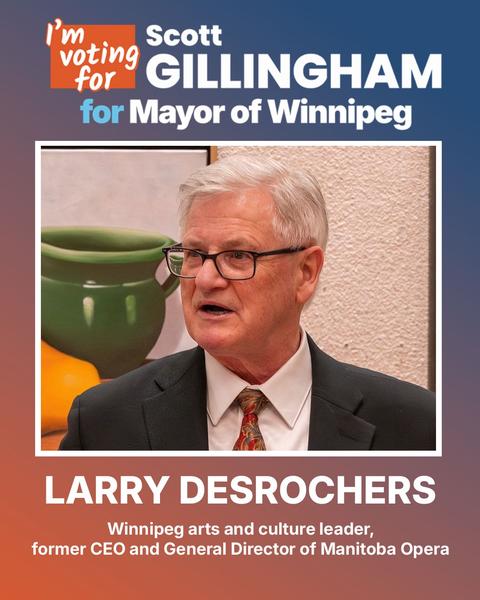
Winnipeg Jets co-owner Mark Chipman has endorsed mayoral candidate Scott Gillingham for re-election. (John Woods/Canadian Press)
Winnipeg Jets co-owner Mark Chipman is endorsing Scott Gillingham for mayor, despite regretting having endorsed a mayoral candidate over 10 years ago.
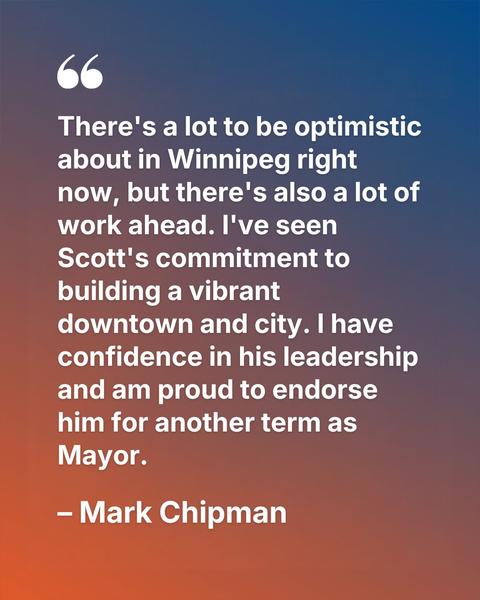
Chipman is quoted in a post on Gillingham's social media as saying, "I've seen Scott's commitment to building a vibrant downtown and city. I have confidence in his leadership and am proud to endorse him for another term as Mayor."
Chipman is executive chairman and governor of True North Sports and Entertainment, which owns the Winnipeg Jets. He endorsed Winnipeg mayoral candidate Brian Bowman in 2014. Bowman won and was re-elected in 2018.
A public feud erupted between the two after Bowman made suggestions a property development deal — which has since turned into True North Square — between True North and CentreVenture in downtown Winnipeg was made with a lack of transparency.
Chipman said Bowman was out of line to imply the deal was dishonest or made behind closed doors, and that he regretted having publicly endorsed Bowman.
"I was uncomfortable publicly endorsing a politician," Chipman said in 2015. "I didn't think it was my place. Let's be honest, the reason I got asked is because of the profile that's come from being in this city in the National Hockey League."
CBC News reached out to Chipman for comment. However, a spokesperson said they don't have anything to add beyond what was in the social media post.
In a statement to CBC, Gillingham said he's grateful for Chipman's support and that they both believe in the city and what it can become.
"Mark has done so much for Winnipeg. Over the last four years, we've built a really strong relationship and worked together on some big projects, like Portage Place, but also on tough issues like homelessness, where he puts a lot of his time and energy," he said in the statement.
"I think we both see a downtown that's going to look and feel very different in just a few years, with more people, more activity and some really exciting projects taking shape."
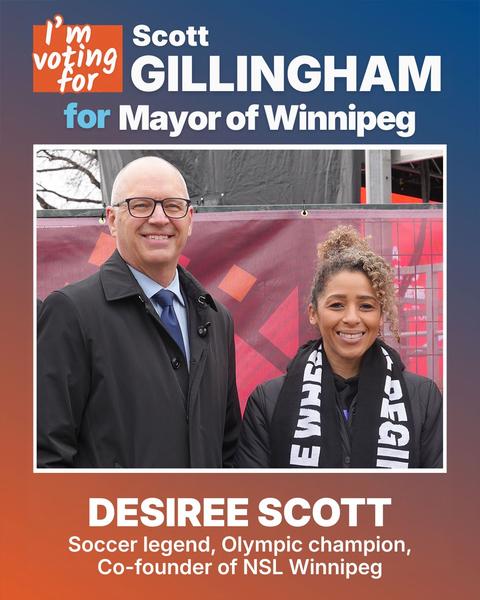
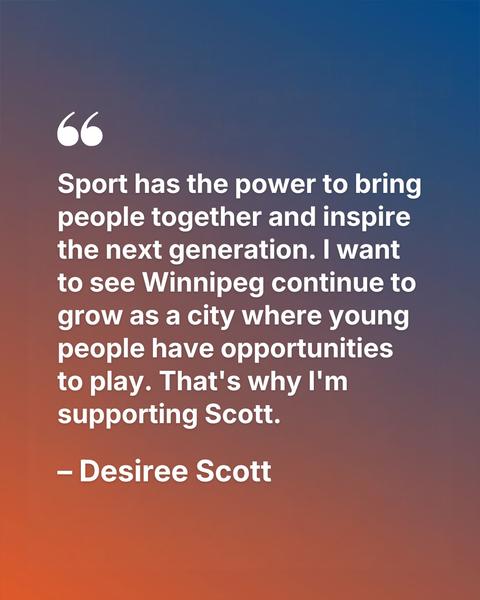
In a social media post Sunday, Gillingham also touted having former Canadian women's soccer star Desiree Scott's endorsement. She is also co-founder of Winnipeg's Northern Super League team.
Eleven other candidates are running for mayor: Don Woodstock, Mike Vogiatzakis, Noah Redden, Joshua Pagdato, Kevin Klein, Umar Hayat, Brad Gross, Johnny Calderon, Tracey Drexler, Chris Clacio and Mazher Alam.
CBC

Chipman said he was 'uncomfortable publicly endorsing a politician' after 2014 election
Justin Fiacconi · CBC News · Posted: Oct 19, 2026
Winnipeg Jets co-owner Mark Chipman has endorsed mayoral candidate Scott Gillingham for re-election. (John Woods/Canadian Press)
Winnipeg Jets co-owner Mark Chipman is endorsing Scott Gillingham for mayor, despite regretting having endorsed a mayoral candidate over 10 years ago.
Chipman is quoted in a post on Gillingham's social media as saying, "I've seen Scott's commitment to building a vibrant downtown and city. I have confidence in his leadership and am proud to endorse him for another term as Mayor."
Chipman is executive chairman and governor of True North Sports and Entertainment, which owns the Winnipeg Jets. He endorsed Winnipeg mayoral candidate Brian Bowman in 2014. Bowman won and was re-elected in 2018.
A public feud erupted between the two after Bowman made suggestions a property development deal — which has since turned into True North Square — between True North and CentreVenture in downtown Winnipeg was made with a lack of transparency.
Chipman said Bowman was out of line to imply the deal was dishonest or made behind closed doors, and that he regretted having publicly endorsed Bowman.
"I was uncomfortable publicly endorsing a politician," Chipman said in 2015. "I didn't think it was my place. Let's be honest, the reason I got asked is because of the profile that's come from being in this city in the National Hockey League."
CBC News reached out to Chipman for comment. However, a spokesperson said they don't have anything to add beyond what was in the social media post.
In a statement to CBC, Gillingham said he's grateful for Chipman's support and that they both believe in the city and what it can become.
"Mark has done so much for Winnipeg. Over the last four years, we've built a really strong relationship and worked together on some big projects, like Portage Place, but also on tough issues like homelessness, where he puts a lot of his time and energy," he said in the statement.
"I think we both see a downtown that's going to look and feel very different in just a few years, with more people, more activity and some really exciting projects taking shape."
In a social media post Sunday, Gillingham also touted having former Canadian women's soccer star Desiree Scott's endorsement. She is also co-founder of Winnipeg's Northern Super League team.
Eleven other candidates are running for mayor: Don Woodstock, Mike Vogiatzakis, Noah Redden, Joshua Pagdato, Kevin Klein, Umar Hayat, Brad Gross, Johnny Calderon, Tracey Drexler, Chris Clacio and Mazher Alam.
CBC
Last edited:
CUPE Local 500 endorsed Scott Gillingham's bid for re-election Friday
Cameron MacLean · CBC News · Posted: Oct 16, 2026

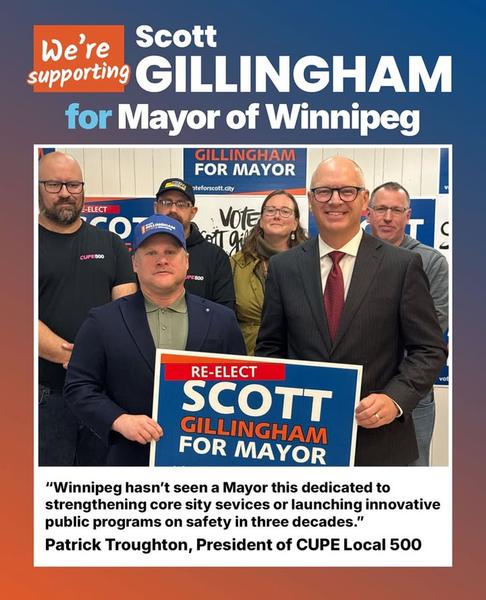
CUPE Local 500 endorsed Winnipeg mayoral candidate Scott Gillingham's re-election bid Friday. (Cameron MacLean/CBC)
Incumbent mayoral candidate Scott Gillingham got the endorsement of the City of Winnipeg's largest union Friday.
Members of Canadian Union of Public Employees Local 500, which represents 5,000 city employees, stood alongside Gillingham at a news conference at his campaign office.
He pointed to the opening of a new Winnipeg Public Library branch and expanding hours, and new programs like the community safety officers and neighbourhood action teams, as evidence of his commitment to front-line services.
Gillingham said some of his opponents' promises would lead to revenue cuts, putting essential services at risk in a growing city.
"Strong city services depend upon the people who deliver them," he said. "You can't promise better city services while cutting the resources needed to deliver those services for the people of Winnipeg."
Union president Patrick Troughton praised Gillingham for his collaborative approach.
"If CUPE Local 500 needs anything, he's just a phone call away, and [we're] looking forward to keeping up that relationship," Troughton said.
The city and union are heading into binding arbitration talks over a new contract next month.
Troughton and Gillingham both said the union's endorsement doesn't pose a conflict of interest because the arbitration process is playing out separately from the campaign.
Gillingham has in the past pushed back against efforts to end contracting out of some city services like garbage collection, arguing collective agreements would bind the city's hands more than private contracts.
On Friday, he said there is room to disagree.
"We won't always agree on every item, but what's important is respectful dialogue, understanding of one another," Gillingham said.
Troughton initially struggled to name specific campaign commitments from other mayoral candidates that would lead to revenue and service cuts.
After consulting with CUPE 500 staff, he cited commitments from Kevin Klein and Mike Vogiatzakis to freeze or reduce water and sewer rates, as well as a suggestion by Vogiatzakis to use private investors to build a supportive housing facility for homeless people.
Earlier in the campaign, CUPE put out a news release accusing Klein of being beholden to American interests and advocating for a softer position on Canada's trade dispute with the U.S.
Klein dismissed the union's claims at another news conference Friday.
"They are welcome to have their opinion about [Gillingham], but they're not welcome to have their own facts, and their facts about me are entirely meritless and deliberately misleading," he said.
Vogiatzakis did not respond to a request for comment on the union's criticisms.
CBC News
Cameron MacLean · CBC News · Posted: Oct 16, 2026
CUPE Local 500 endorsed Winnipeg mayoral candidate Scott Gillingham's re-election bid Friday. (Cameron MacLean/CBC)
Incumbent mayoral candidate Scott Gillingham got the endorsement of the City of Winnipeg's largest union Friday.
Members of Canadian Union of Public Employees Local 500, which represents 5,000 city employees, stood alongside Gillingham at a news conference at his campaign office.
He pointed to the opening of a new Winnipeg Public Library branch and expanding hours, and new programs like the community safety officers and neighbourhood action teams, as evidence of his commitment to front-line services.
Gillingham said some of his opponents' promises would lead to revenue cuts, putting essential services at risk in a growing city.
"Strong city services depend upon the people who deliver them," he said. "You can't promise better city services while cutting the resources needed to deliver those services for the people of Winnipeg."
Union president Patrick Troughton praised Gillingham for his collaborative approach.
"If CUPE Local 500 needs anything, he's just a phone call away, and [we're] looking forward to keeping up that relationship," Troughton said.
The city and union are heading into binding arbitration talks over a new contract next month.
Troughton and Gillingham both said the union's endorsement doesn't pose a conflict of interest because the arbitration process is playing out separately from the campaign.
Gillingham has in the past pushed back against efforts to end contracting out of some city services like garbage collection, arguing collective agreements would bind the city's hands more than private contracts.
On Friday, he said there is room to disagree.
"We won't always agree on every item, but what's important is respectful dialogue, understanding of one another," Gillingham said.
Troughton initially struggled to name specific campaign commitments from other mayoral candidates that would lead to revenue and service cuts.
After consulting with CUPE 500 staff, he cited commitments from Kevin Klein and Mike Vogiatzakis to freeze or reduce water and sewer rates, as well as a suggestion by Vogiatzakis to use private investors to build a supportive housing facility for homeless people.
Earlier in the campaign, CUPE put out a news release accusing Klein of being beholden to American interests and advocating for a softer position on Canada's trade dispute with the U.S.
Klein dismissed the union's claims at another news conference Friday.
"They are welcome to have their opinion about [Gillingham], but they're not welcome to have their own facts, and their facts about me are entirely meritless and deliberately misleading," he said.
Vogiatzakis did not respond to a request for comment on the union's criticisms.
CBC News
Last night’s “debate” was a mess. It amounted to little more than a platform for a throng of laughable candidates, most of them little more than clowns wasting everyone’s time. The format did nothing to foster actual debate, and the overall unseriousness, lack of substantive platforms and uninspiring visions left a sad impression of the options available for Winnipeg’s mayoral representation. It was painful to watch.
Mayoral candidates focus on public safety at Indigenous forum
Morgan Modjeski
Tuesday, Oct. 20, 2026
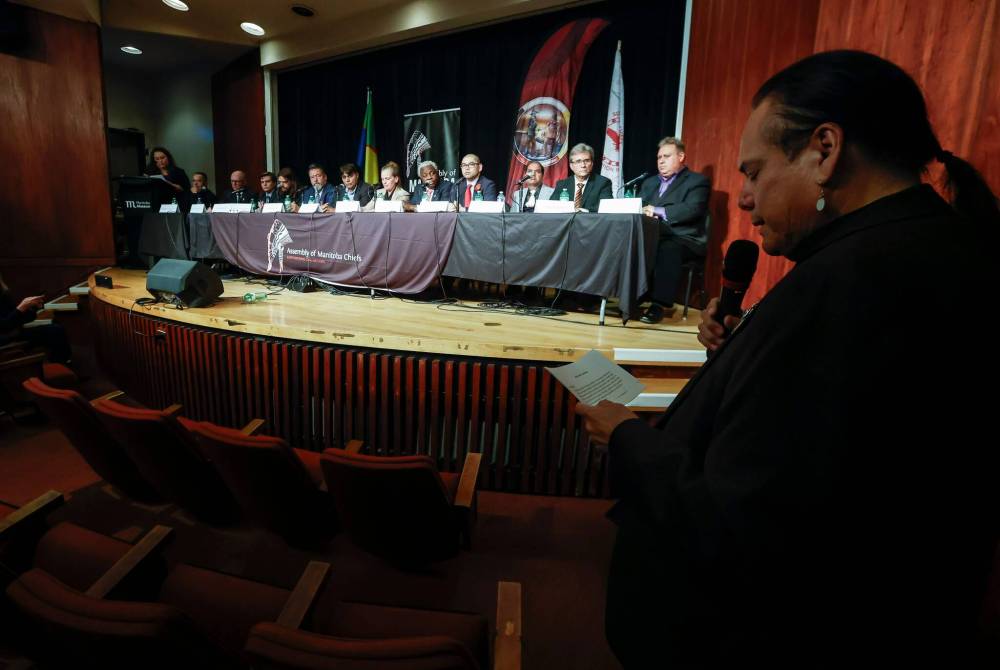
Mayoral hopefuls made their pitch to Winnipeg’s Indigenous community Tuesday at a forum hosted by chiefs organizations.
“Public safety must include trust between police and First Nations,” said candidate Kevin Klein, a former chair of the police board. “Winnipeg needs a policing approach that protects Indigenous residents, supports victims, prevents crime and builds lasting relationships with Indigenous communities.”
The former city councillor and Tory cabinet minister promised harsher penalties for drug dealers and said he’d work to create a community safety task force that would include Indigenous leadership.
He also said the police service must recruit more Indigenous officers to change its culture.
The event, attended by dozens, was hosted by the Southern Chiefs Organization, the Assembly of Manitoba Chiefs and the Manitoba Keewatinowi Okimakanak.
Earlier Tuesday, the assembly called for a public inquiry into the fatal shooting of Indigenous teenager Eishia Hudson in 2020 and other Indigenous people killed by police. She was shot by a city police officer after a high-speed chase stemming from a liquor store robbery. The relationship between law enforcement and First Nations residents was a key part of the forum.
Kyra Wilson, grand chief the assembly, said the relationship between the new mayor and community must be built on respect, equity and cultural understanding.
She said whoever is elected needs to be ready to work with the community on policing.
“When you look at police, security, they have a responsibility and an obligation to protect the very people who are going into their establishments or even just walking down the streets of Winnipeg,” Wilson said. “When it comes to First Nations people, unfortunately, we deal with systemic racism every single day and this is a reality.”
She called for a larger focus on training related to cultural sensitivity and inter-generational trauma experienced by Indigenous people.
“There’s a lot of work that is needed and that definitely needs to be a priority if everyone is going to feel safe in the city,” she said.
Incumbent mayor Scott Gillingham, said that during his tenure, the city has “taken the first” step in establishing a new response team for people in crisis. He said he has secured council support and has met with Premier Wab Kinew about its creation.
“Ten thousand calls, every year, could be diverted, away from police, fire and paramedic and better handled by mobile crisis workers, the good news is, we have those mobile crisis workers already,” he said.
He promised $100,000 for Ka Ni Kanichihk Inc. to continue partnerships between Winnipeg police and Indigenous organizations to crack down on open drug use on city streets.
“Here’s the problem, so many of the victims of crime are First Nations people,” he said. “We can be compassionate for the sick, but not tolerate drug trafficking.”
Funeral director Mike Vogiatzakis, who is seeking the mayors chair, said to improve the relationship, the city must address the root causes of crime.
“The problem is pretty clear,” Vogiatzakis said. “If we didn’t have addictions, mental health, homelessness and poverty, there wouldn’t be any theft at stores.”
He decided to run for mayor after the violent death of his brother Kyriakos Vogiatzakis in 2024. He said desperation fuels much of the crime in Winnipeg.
“People are hungry. They go in because they want something to eat and then they get beaten up by a police officer or a security guard, that is totally unacceptable,” he said.
Vogiatzakis said he’ll put Indigenous response teams, whose members are trained on how to interact with Indigenous people, in high-crime areas.
Mayoral candidates Chris Clacio, Tracey Drexler, Joshua Pagdato, Umar Hyat, Brad Gross, Don Woodstock, Mazher Alam, Noah Redden and Johnny Calderon also attended the forum.
winnipegfreepress
Winnipegger
New member
Last night’s “debate” was a mess. It amounted to little more than a platform for a throng of laughable candidates, most of them little more than clowns wasting everyone’s time. The format did nothing to foster actual debate, and the overall unseriousness, lack of substantive platforms and uninspiring visions left a sad impression of the options available for Winnipeg’s mayoral representation. It was painful to watch.
It's almost as if most candidates know that in Winnipeg's current fiscal environment (lowest revenue and spending per capita in Canada), nothing tangible can be done about the multitude of issues we face without also promising property tax increases in excess of 4% every year - which would immediately disqualify that candidate in most Winnipeggers' eyes.
It's amazing how decades of property tax freezes and school division tax increases that are well above what the city does in any given year (yet get barely any news coverage) have left this city with a shoestring budget, and without the capacity to address anything meaningful. The only real strategic option is for candidates to promise to beg the Province for more funding - because we all know how well that goes.
Unless Winnipeggers suddenly realize that stuff costs money and you can't keep squeezing blood from a stone, expect more of the same next election as well. We really need a politician that has the guts to tell us the unfortunate truth: Winnipeg has low property tax by all measures, and if you want to rise to meet the challenges of today, it simply needs more money to get stuff done. Otherwise we need to shut up, sit down, and be accepting of the status quo.
bon_vivant
Member
^ Agree. I would gladly pay higher property taxes if it would actually improve our city.
Debate link: CJOB Audio Vault Set date to: October 21 Set time to: 9:00 AM
Candidates snipe over safety during radio debate
Joyanne Pursaga
Wednesday, Oct. 21, 2026
Public safety took centre stage during a sometimes fiery mayoral debate Wednesday morning, as three candidates sparred over their plans to make Winnipeg safer.
The CJOB debate included candidates Scott Gillingham, Kevin Klein and Mike Vogiatzakis, who were selected as the top contenders in the race based on polling data.
Moderator Richard Cloutier asked how each would make the city safer, noting concerns about a delayed response to property crimes, such as break-ins.
Klein noted he has promised a public safety task force and to hire more police, if he’s elected.
“We are 100 police officers short of the very bare minimum of the per capita (number) right now. We have to replace those officers,” the former city councillor and Tory cabinet minister said.
Klein estimated his plan to hire the additional officers would cost $3.99 per month per taxpayer, indicating he would raise property taxes.
“We’re going to have to raise taxes. We are short police officers and we know from a recent Winnipeg police poll that Winnipeggers don’t feel we have enough police officers. We’ve got to be able to cover the calls we have,” he said.
He would also have police cadets wait at hospitals with people who are in custody and require medical treatment, instead of police officers, to free up the more specialized, higher paid officers for other calls.
“Let’s move the cadets into the hospitals so that we can do a handoff and we can get police cars back on the street,” said Klein.
Vogiatzakis called Klein a “recycled politician” for that response, noting hospital offloading delays have been a problem for many years. He said he would “get tough on crime” instead.
“Stop with the garbage. Stop with the catch-and-release program. Work with the (senior) governments,” he said.
Vogiatzakis added he’d also “instruct the police board, the police chief” to address the issue.
Klein challenged that claim, since Winnipeg’s mayor does not have the power to direct police operations.
“You don’t have the authority, Mike. You don’t understand. You don’t live in Winnipeg and you don’t have the authority,” he responded.
Vogiatzakis, whose primary residence is in St. Andrews, has said he will live in Winnipeg full-time, if elected.
Gillingham said data shows crime rates are going down but it’s critical to ensure Winnipeggers actually feel safe.
“I, too, have committed to adding more police officers. We have added more police officers in my term of office,” he said.
The incumbent said he would seek city council approval to gradually increase the number of police officers to about 196 per 100,000 population, up from about 170 currently. That target would raise the number of police from about 1,443 to 1,666.
He also plans to add a fourth emergency response team to handle mental health calls to free up more time for officers.
Vogiatzakis said his pledge to create a three-year “cadet-to-career” apprenticeship program would help boost the response to property crimes and train staff who could fill future police positions.
winnipegfreepress
Well guys, since we last gathered here together, Winnipeg has elected a new council, likely one of the most progressive the city has seen in a generation. What do you think of the results, and what should we expect over the next four years?
Councillor Evan Duncan
Charleswood - Tuxedo - Westwood
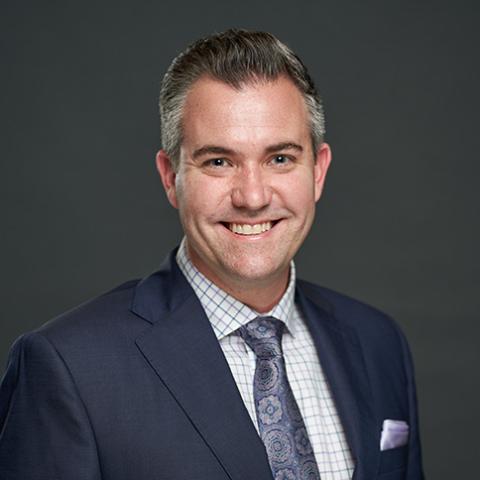
Councillor Cindy Gilroy
Daniel McIntyre
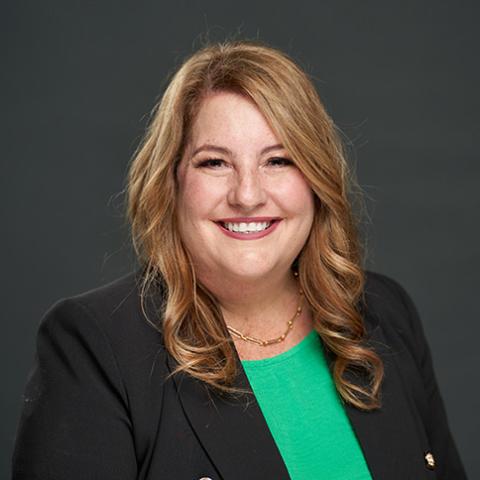
Councillor Emma Durand-Wood
Elmwood - East Kildonan
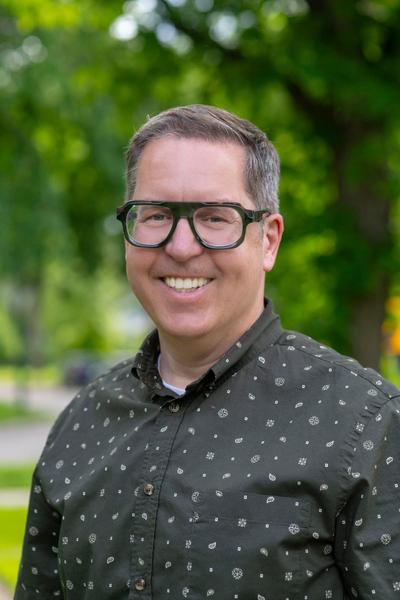
Councillor Jeff Palmer
Fort Rouge - East Fort Garry
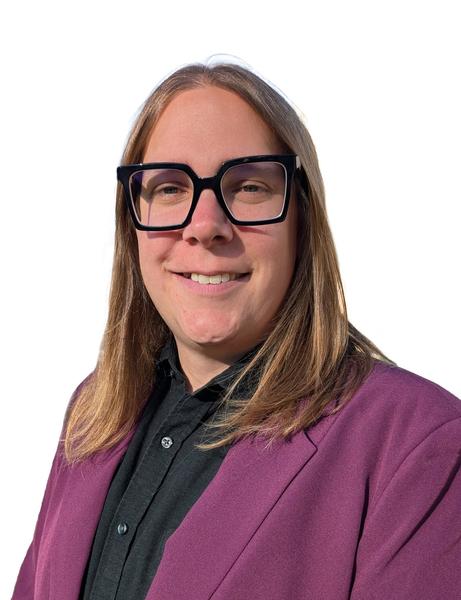
Councillor Natalie Smith
Mynarski
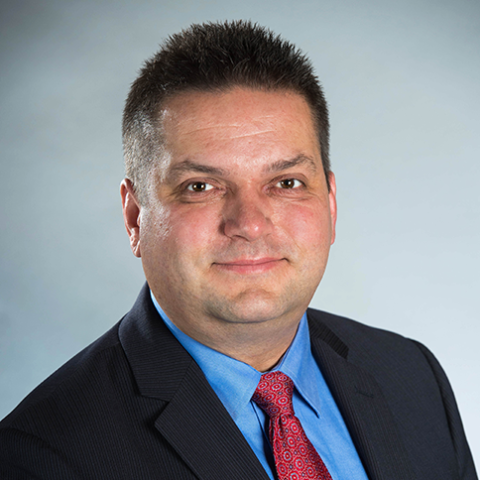
Councillor Jeff Browaty
Deputy Mayor
North Kildonan
Councillor Greg McFarlane
Old Kildonan
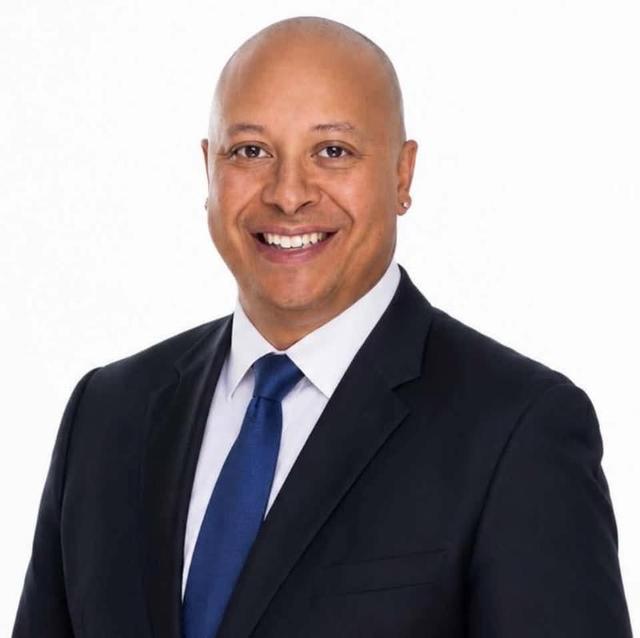
Councillor Vivian Santos
Acting Deputy Mayor
Point Douglas
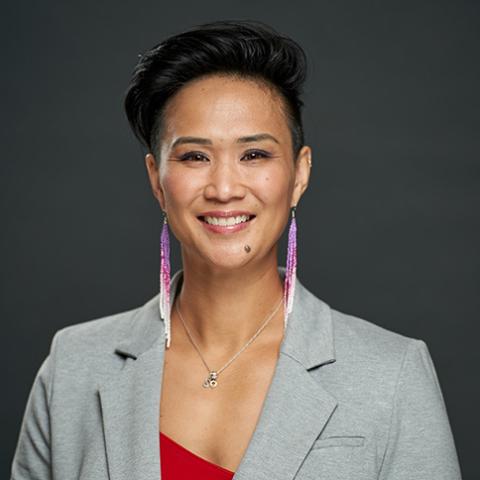
Councillor Sara MacArthur
River Heights - Fort Garry
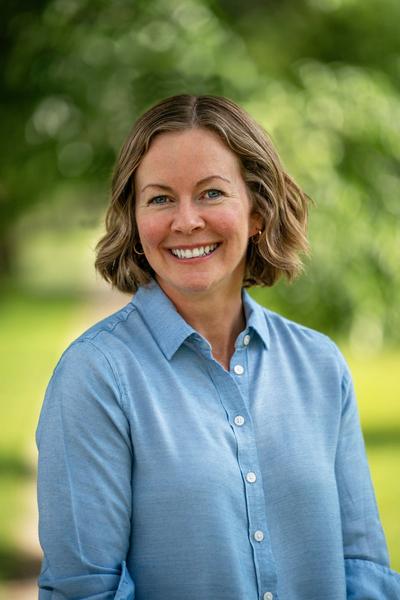
Councillor Matt Allard
Deputy Speaker
St. Boniface
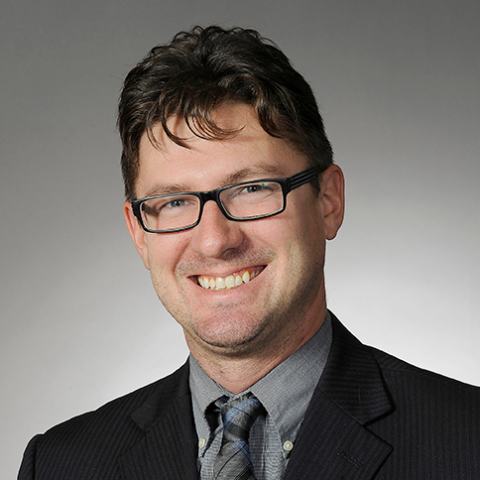
Councillor Kelly Ryback
Speaker
St. James
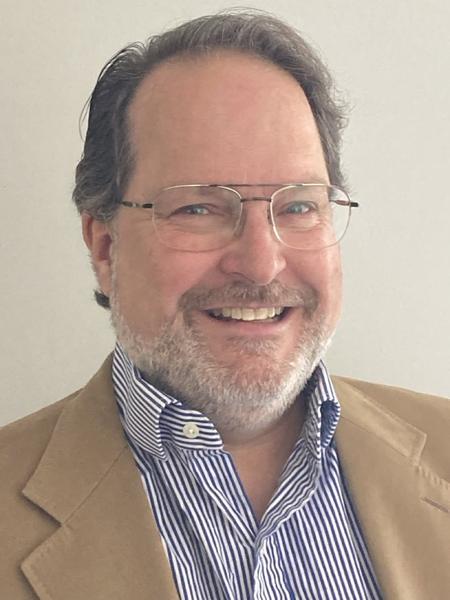
Councillor Ray DuBois
St. Norbert - Seine River
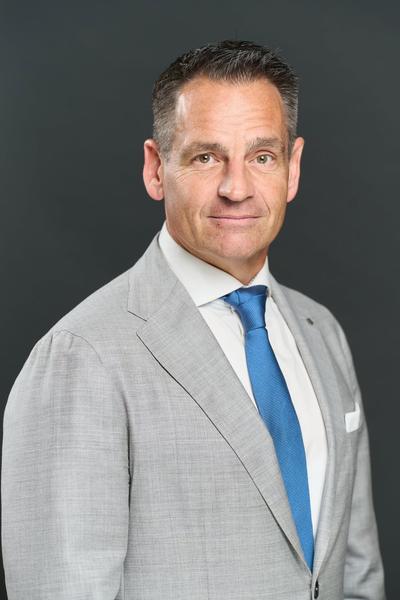
Councillor Chris Sigurdson
St. Vital
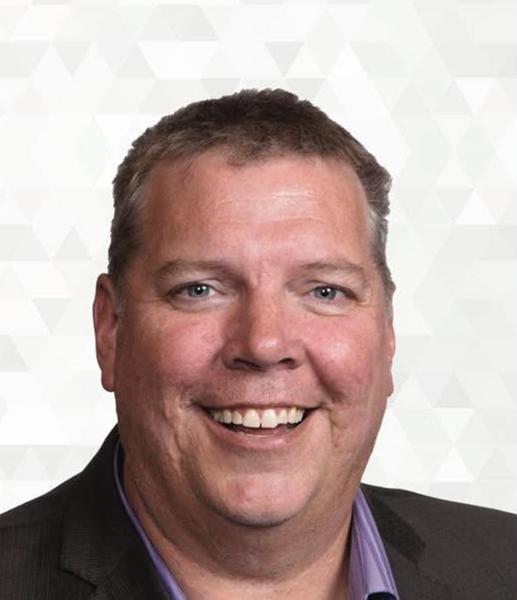
Councillor Lora Meseman
Transcona
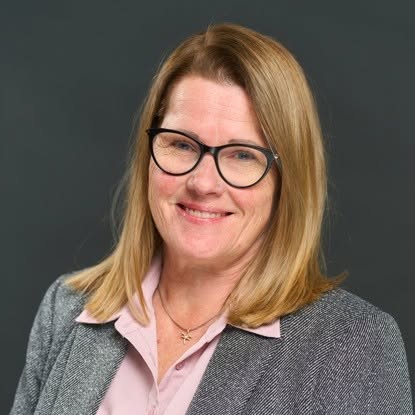
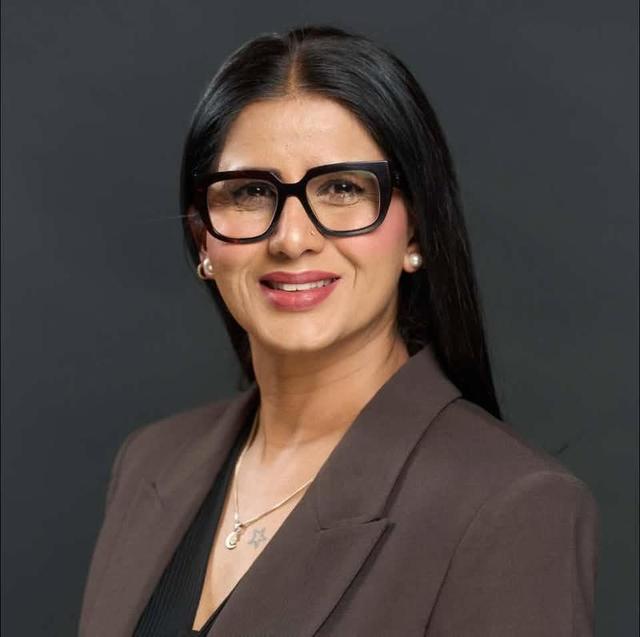
Councillor Jasmine Brar
Waverley West
| Mayor | Scott GILLINGHAM |
| |
| Charleswood-Tuxedo-Westwood | Evan DUNCAN | ELECTED 14,509 83.99% | |
| Daniel McIntyre | Cindy GILROY | ELECTED 8,287 82.39% | |
| Elmwood-East Kildonan | Emma DURAND-WOOD | ELECTED 3,681 39.29% | |
| Fort Rouge-East Fort Garry | Jeff PALMER | ELECTED 7,821 60.76% | |
| Mynarski | Natalie SMITH | ELECTED 3,056 30.69% | |
| North Kildonan | Jeff BROWATY | ELECTED 7,356 48.74% | |
| Old Kildonan | Greg McFARLANE | ELECTED 6,694 56.69% | |
| Point Douglas | Vivian SANTOS | ELECTED 5,287 63.20% | |
| River Heights-Fort Garry | Sara MacARTHUR | ELECTED 10,958 63.45% |
| St. Boniface | Matt ALLARD | ELECTED 6,388 43.38% |
| St. James | Kelly RYBACK | ELECTED 6,485 43.74% |
| St. Norbert-Seine River | Ray DuBOIS | ELECTED 8,790 61.74% |
| St. Vital | Chris SIGURDSON | ELECTED 9,024 59.01% |
| Transcona | Lora MESEMAN | ELECTED 4,564 31.80% |
| Waverley West | Jasmine BRAR | ELECTED 5,354 41.22% |
Councillor Evan Duncan
Charleswood - Tuxedo - Westwood
Councillor Cindy Gilroy
Daniel McIntyre
Councillor Emma Durand-Wood
Elmwood - East Kildonan

Fort Rouge - East Fort Garry
Councillor Natalie Smith
Mynarski
Councillor Jeff Browaty
Deputy Mayor
North Kildonan
Councillor Greg McFarlane
Old Kildonan
Councillor Vivian Santos
Acting Deputy Mayor
Point Douglas
Councillor Sara MacArthur
River Heights - Fort Garry
Councillor Matt Allard
Deputy Speaker
St. Boniface
Councillor Kelly Ryback
Speaker
St. James
Councillor Ray DuBois
St. Norbert - Seine River
Councillor Chris Sigurdson
St. Vital
Councillor Lora Meseman
Transcona
Councillor Jasmine Brar
Waverley West